In today's environmentally conscious world, increasing your home's energy efficiency is not only beneficial for the planet but also your wallet. By taking deliberate steps to reduce energy consumption, homeowners can significantly lower utility bills and improve home comfort. Here's a comprehensive guide to making your home more energy-efficient.
Start with an energy audit. Conducting an energy audit is the first step towards boosting your home’s energy efficiency. This can be done through professional services or do-it-yourself kits available at home improvement stores. An energy audit helps identify areas of energy loss and provides a clear starting point for improvements.
Insulation and sealing are key. Proper insulation is essential for maintaining a stable indoor climate and reducing the need for heating and cooling. Ensure your home has adequate insulation in the attic, walls, and floors. Additionally, sealing gaps around doors, windows, and other openings can prevent drafts and heat loss, further increasing your home’s efficiency.
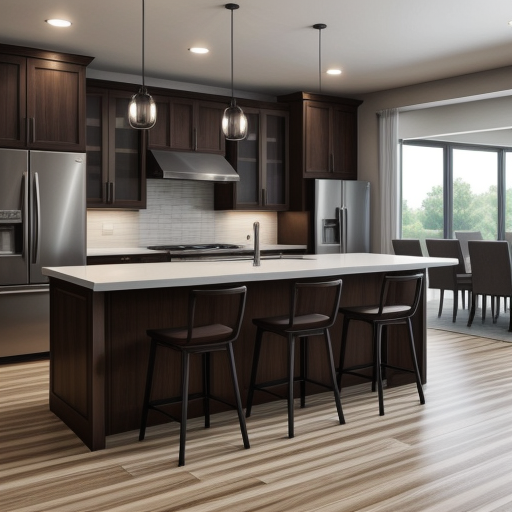
Upgrade to energy-efficient appliances. Old appliances may consume more energy than newer models. Consider upgrading to Energy Star-rated appliances, which are designed to use less electricity and water, saving you money in the long run. Key appliances to focus on include refrigerators, washing machines, dishwashers, and HVAC systems.
Switch to LED lighting. Lighting accounts for a significant portion of home energy usage. By replacing traditional incandescent bulbs with LED bulbs, you can use up to 75% less energy. LEDs also last much longer, reducing the frequency and cost of replacements.
Embrace smart technology. Smart home devices such as thermostats, lights, and power strips can help optimize your home’s energy usage. Smart thermostats, for instance, allow you to adjust the temperature remotely and set schedules, ensuring efficient use of heating and cooling systems.
Consider renewable energy sources. If feasible, investing in renewable energy options like solar panels can significantly reduce your reliance on traditional energy sources. Not only do solar panels cut energy costs, but they may also increase your property’s value.
Regular maintenance is essential. Routine maintenance of your home’s heating, ventilation, and air conditioning (HVAC) systems ensures they operate efficiently. Regularly replace filters, service your HVAC systems, and inspect ductwork for leaks.
By taking these steps, you can make your home more energy-efficient while contributing to a healthier environment. Not only does this effort pay off in energy savings, but it also enhances your home's overall value and appeal in the market.