When it comes to purchasing a home, a tour can be one of the most illuminating parts of the buying process. It offers a unique opportunity to see the property firsthand and gauge its suitability for your lifestyle. However, knowing what to look for during this critical step can make a significant difference in your decision-making process.
1. Condition of the Home Begin by assessing the overall condition of the house. Look beyond the aesthetic appeal and inspect the structural elements such as walls, ceilings, and floors. Check for signs of water damage, cracks, or unusual odors that might indicate underlying problems. Evaluating the condition of the windows, doors, and roofs can also provide insights into the potential maintenance costs down the line.
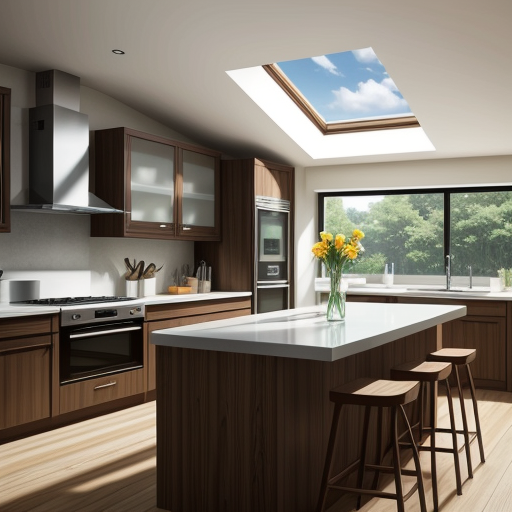
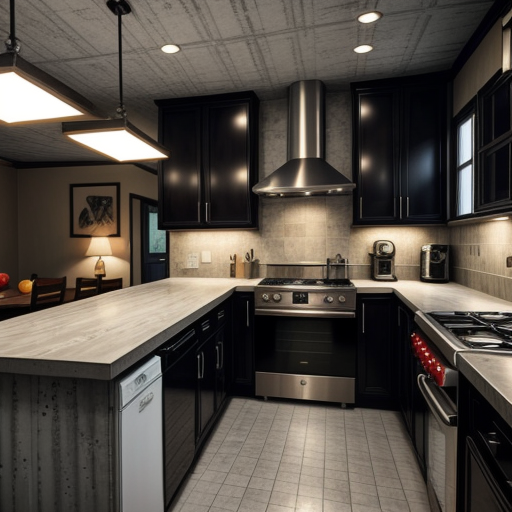
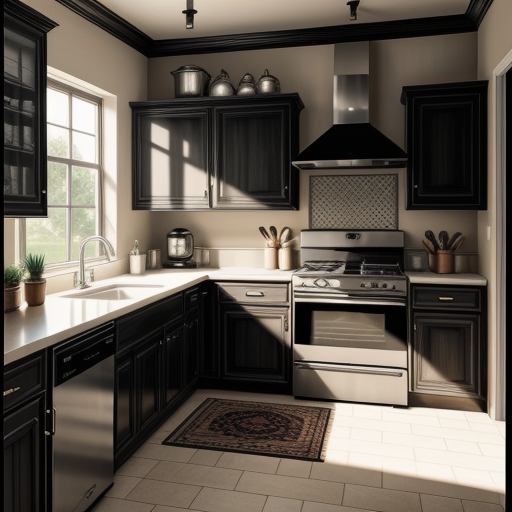
2. Layout and Flow Consider the home’s layout and how it suits your lifestyle. Is there enough space for your family? Does the flow of the rooms feel comfortable? Open-concept designs are favored by many, while others may prefer more traditional layouts. Take note of where the kitchen is located in relation to the living areas and bedrooms, as this can affect day-to-day convenience.
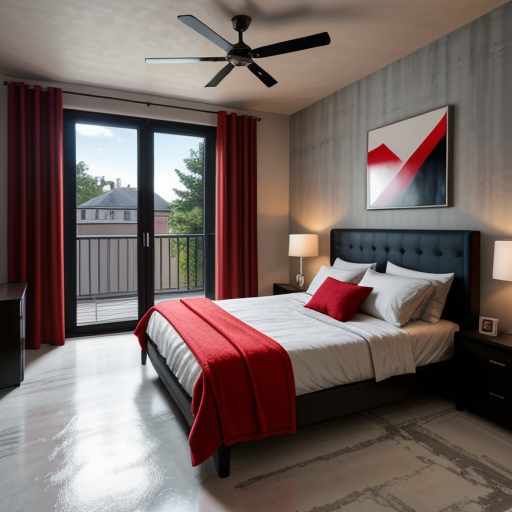
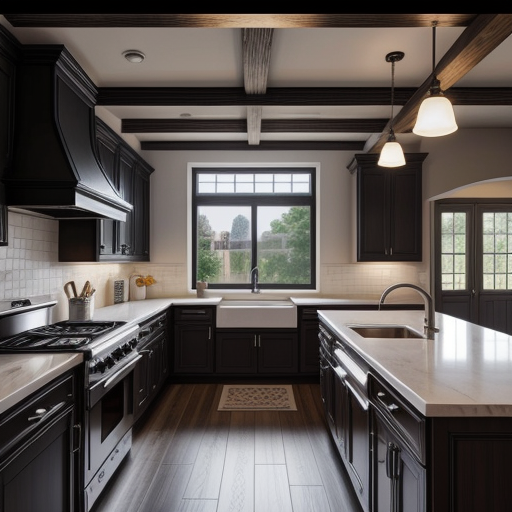
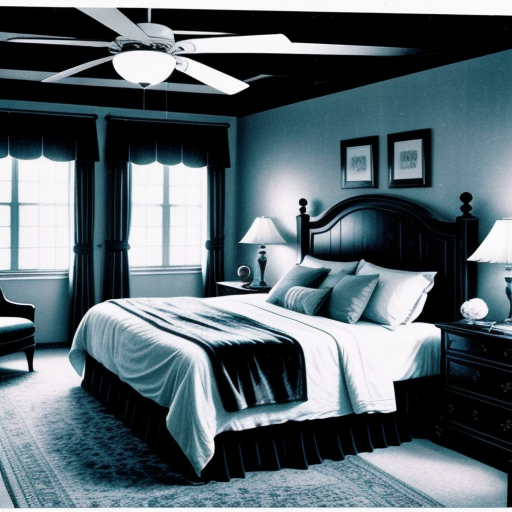
3. Natural Light and Ventilation The amount of natural light in a home can significantly impact your mood and energy bills. During your tour, open curtains or blinds to see how much light enters each room. Additionally, pay attention to ventilation. Well-ventilated spaces can contribute to better air quality and comfort.
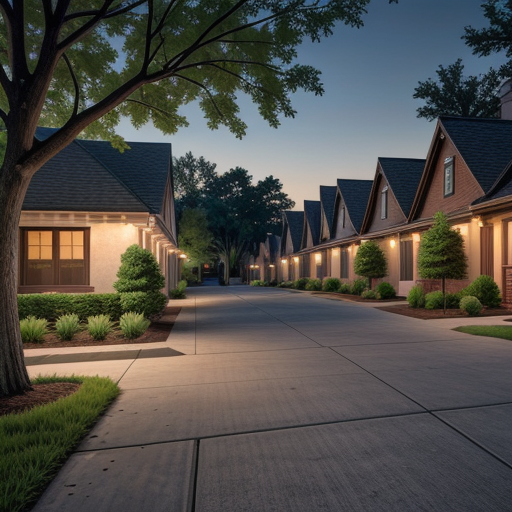
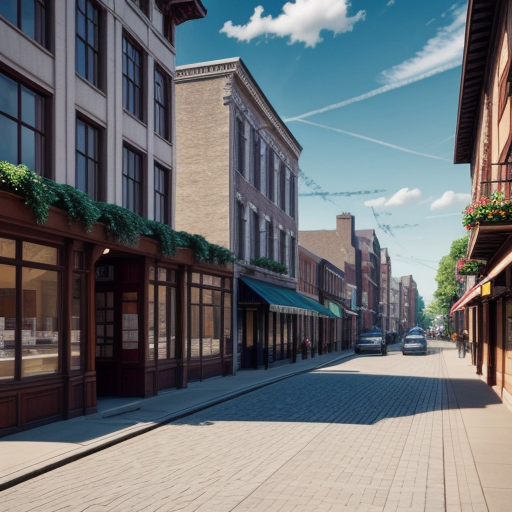
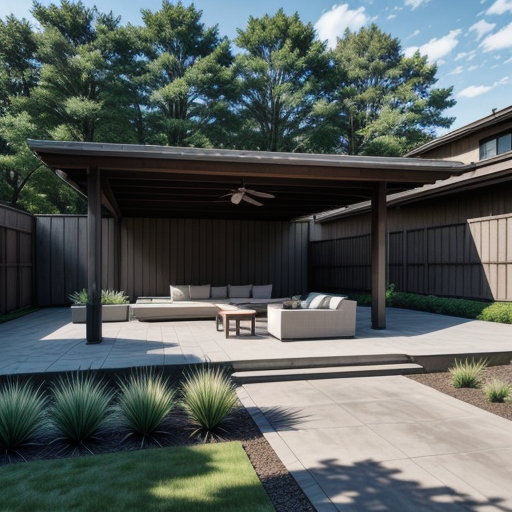
4. Location and Neighborhood Location is often deemed the most crucial factor in real estate. Explore the neighborhood during your visit and take note of nearby amenities such as parks, schools, and shopping centers. Can you envision yourself thriving in this community? Consider noise levels and any potential future developments that might affect your quality of life.
5. Storage Space Storage is a common concern for many homebuyers. As you tour the home, check closets, cabinets, and garage space to determine if they meet your needs. Adequate storage can prevent clutter and help you maintain an organized living environment.
6. Home Systems Don't forget to inquire about the home systems, such as heating, cooling, plumbing, and electrical. If possible, ask for documentation of the age and maintenance history of these systems. Outdated systems can lead to unexpected costs, so understanding their functionality is key to making an informed decision.
7. Future Considerations Think about your long-term plans while touring the home. Will it accommodate your family as it grows? Is there flexibility for future modifications, should you wish to personalize or expand the space? Considering these aspects can save you from potential regret down the line.
In conclusion, a home tour is a prime opportunity to assess not just the property itself, but how well it aligns with your lifestyle and future needs. Make a checklist of these key considerations and take your time during the visit. Committing to the right home is a significant decision and warrants thorough evaluation.