Increasing the energy efficiency of your home not only helps the environment but can also reduce utility bills and improve comfort. By taking a few practical steps, homeowners can significantly decrease energy consumption.
First, consider upgrading insulation. Proper insulation in walls, attics, and basements retains heat during winter and keeps your home cool in the summer. This is one of the most cost-effective energy-saving improvements.
Next, replace old windows with energy-efficient alternatives. Double or triple-glazed windows prevent air from escaping, and Low-E (low emissivity) coatings on glass reduce heat loss even further.
Install a programmable thermostat to automatically adjust temperatures based on your schedule. Smart thermostats can learn your habits over time and optimize energy use without sacrificing comfort.
Seal any gaps or cracks around doors, windows, and ducts with weatherstripping or caulk to prevent drafts. Air leaks can be a significant source of energy loss in many homes.
Consider replacing traditional light bulbs with LED alternatives. LED bulbs use significantly less energy and have longer lifespans, offering both efficiency and savings.
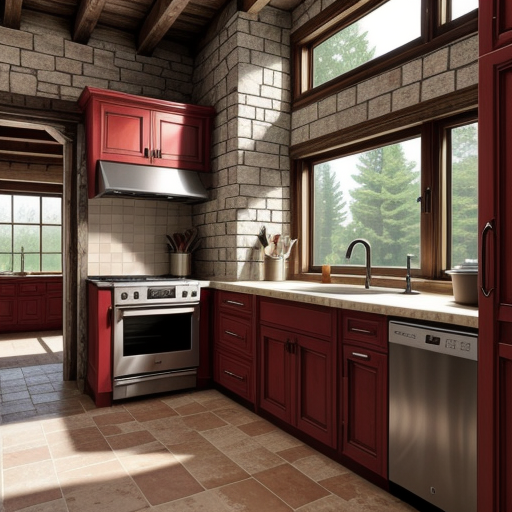
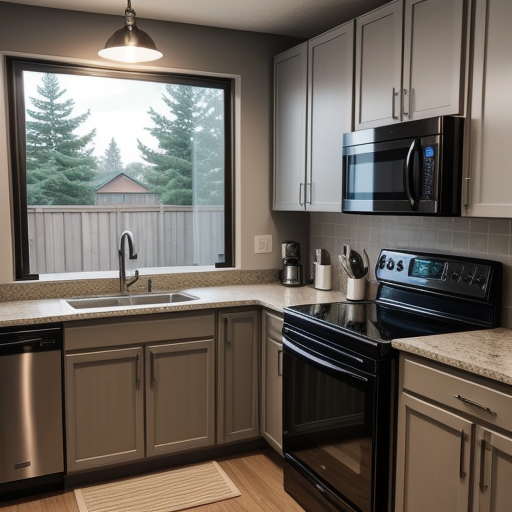
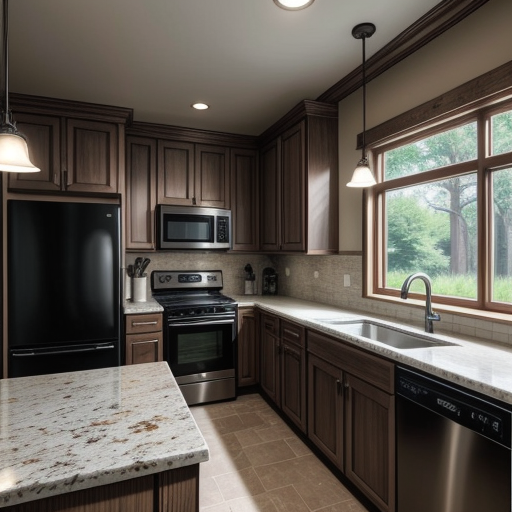
Upgrade to energy-efficient appliances. Look for the Energy Star label when purchasing new appliances, as these products meet strict energy efficiency guidelines.
Generate your own renewable energy by installing solar panels. While the initial investment can be high, many homeowners find the long-term savings, tax credits, and increased home value worthwhile.
Lastly, be mindful of energy use with simple habits like unplugging devices when not in use and using natural light during the day.
By implementing these strategies, homeowners can make meaningful strides toward a more energy-efficient and sustainable living environment.