In an increasingly eco-conscious world, enhancing your home’s energy efficiency is not only beneficial for the environment but can also significantly reduce your utility bills. Whether you’re planning to sell or simply want to make your living space more sustainable, optimizing energy efficiency should be a priority. Below are strategic steps you can take to ensure your home is running efficiently, saving energy and money.
-
Conduct an Energy Audit: Start by assessing your home’s current energy use with a professional energy audit. This assessment will identify the areas where energy is wasted and provide a road map for improvements.
-
Upgrade Insulation: Proper insulation is critical in maintaining a home’s temperature. Check attic, walls, floors, and basements for sufficient insulation. Upgrading or adding new insulation materials can drastically reduce heating and cooling costs.
-
Seal Air Leaks: Gaps or cracks around windows, doors, and other openings allow air to escape and increase energy consumption. Use caulking, weather stripping, and sealants to close these leaks and maintain consistent indoor temperatures.
-
Install Energy-Efficient Windows: Consider replacing old windows with energy-efficient models that reduce heat loss in the winter and keep heat out in the summer, thus preserving your HVAC system's energy.
-
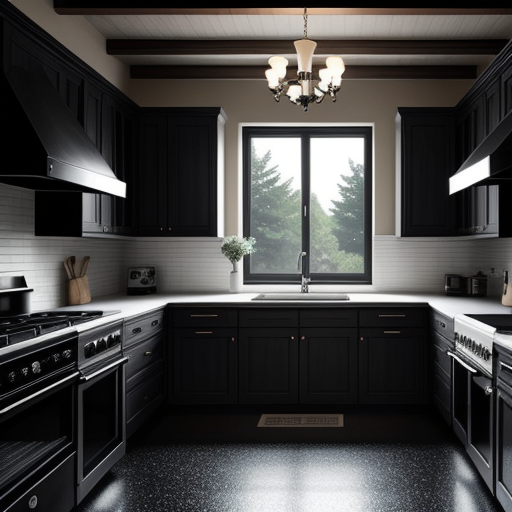
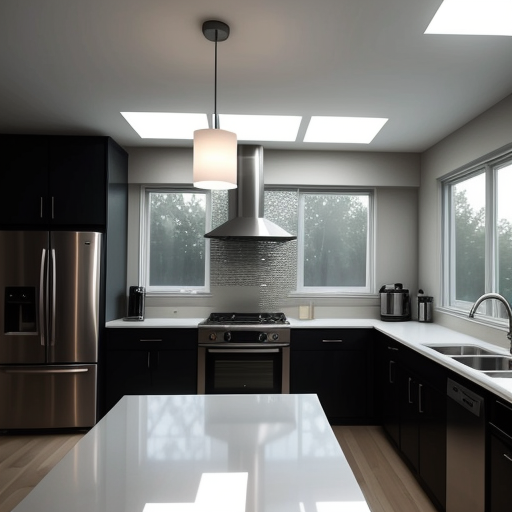
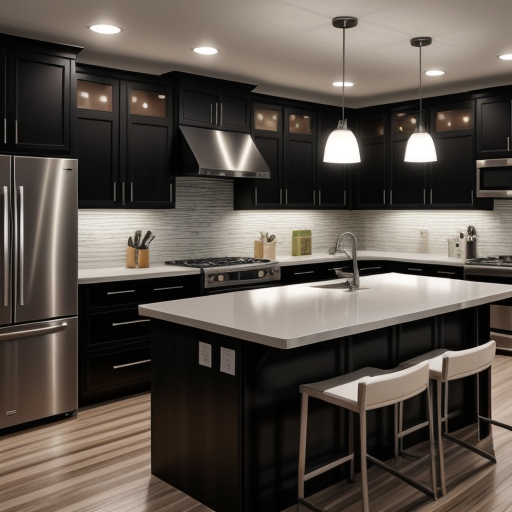
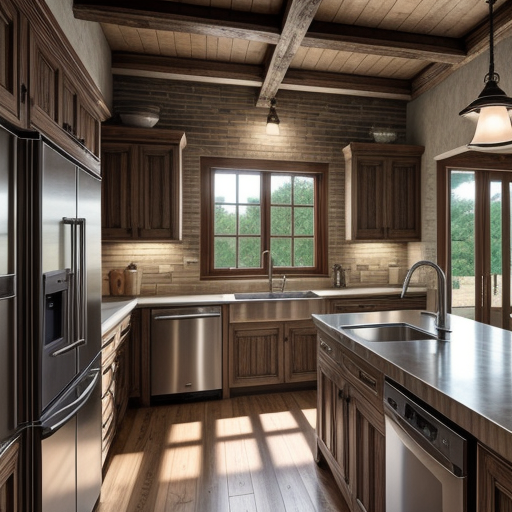
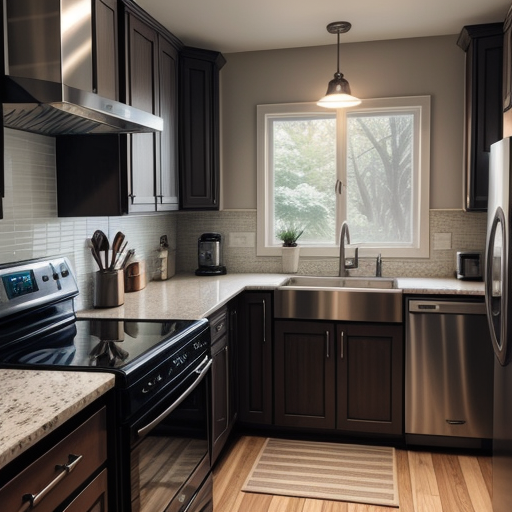
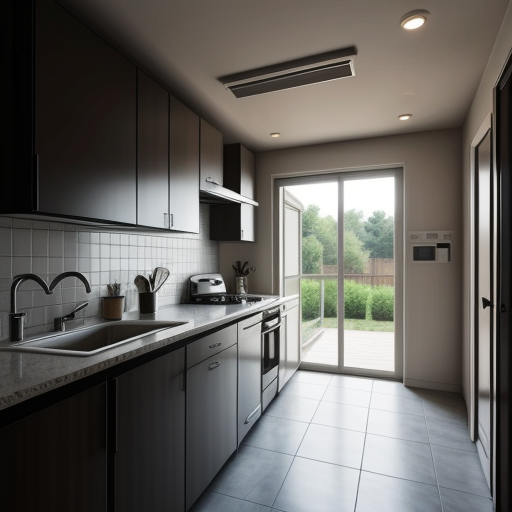
Upgrade to Energy-Efficient Appliances: Look for appliances with the ENERGY STAR label. These products use less energy compared to their non-certified counterparts, ensuring peak performance without excessive energy use.
-
Use Smart Technology: Smart thermostats and lighting systems allow you to monitor and reduce energy consumption proactively. These devices can be programmed to optimize usage based on your routine, promoting cost savings and efficiency.
-
Switch to LED Lighting: LED bulbs consume significantly less electricity and have a longer lifespan compared to traditional incandescent bulbs. They are an easy swap that can make a substantial impact on your home’s overall energy consumption.
-
Optimize Water Heating: Water heaters are among the largest energy consumers in a home. Consider insulating your water heater and pipes. Additionally, reduce the water heater thermostat to 120 degrees Fahrenheit to save energy without sacrificing performance.
-
Explore Renewable Energy Options: If feasible, invest in solar panels or other renewable energy solutions. While this may involve upfront costs, long-term savings and benefits to the environment are substantial.
Maximizing your home's energy efficiency involves a combination of upgrades, technology, and strategic changes. Not only does improving energy efficiency increase the value of your home, but it also contributes to a more sustainable future.