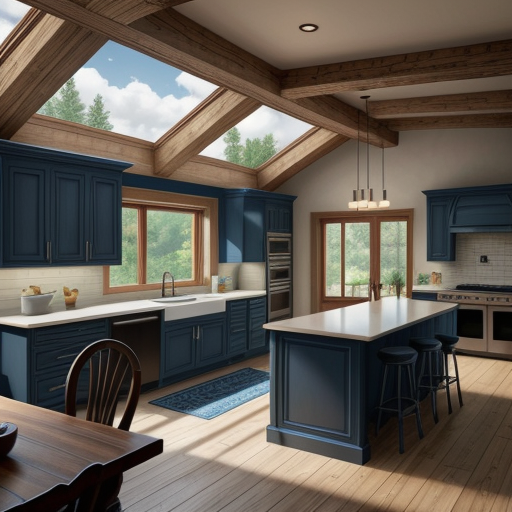
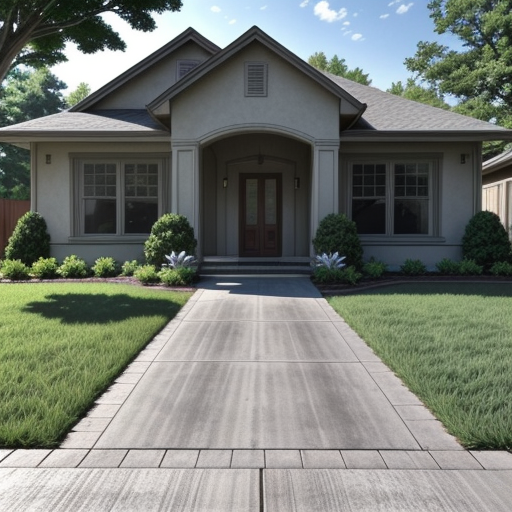
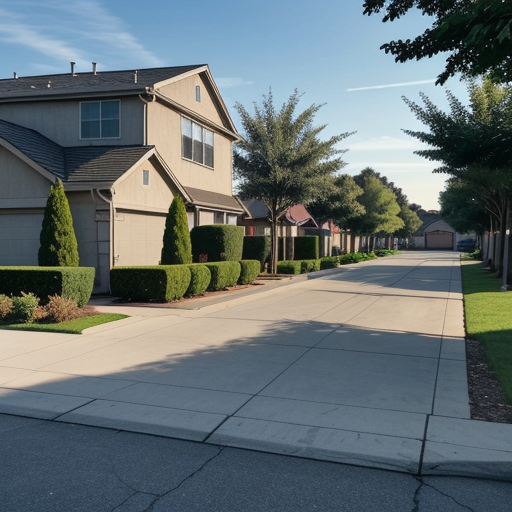
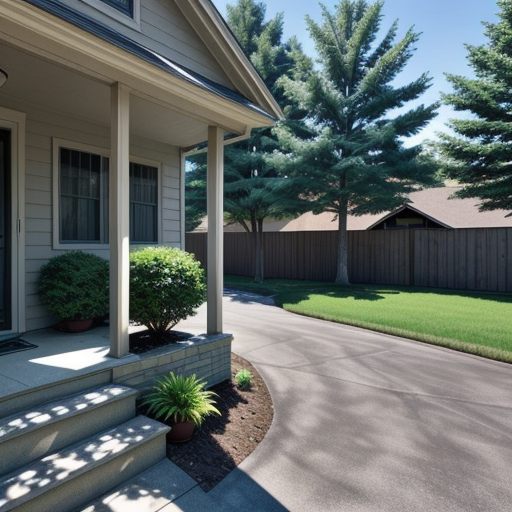
When entering the housing market, whether as a buyer or seller, understanding a home's resale value is crucial. Resale value refers to the estimated amount that a homeowner can expect to sell their property for in the future. Evaluating this aspect of a property can guide your investment decisions and ensure that you make a financially sound choice. Here are several key factors to consider when assessing a home’s resale value.
1. Location, Location, Location
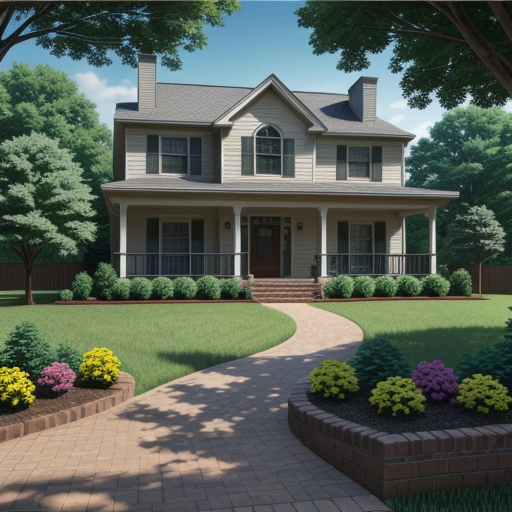
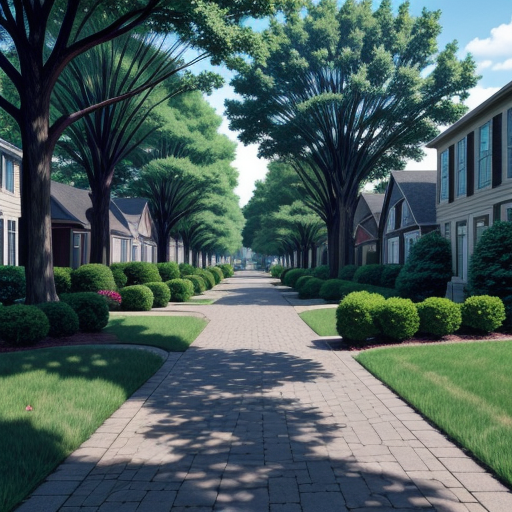
The adage holds true: location is one of the most significant factors in determining a home's value. Homes situated in desirable neighborhoods with good schools, low crime rates, and convenient access to amenities tend to appreciate in value. Research local trends and gain insights into the desirability of various areas to better understand how location could impact the resale value of a home.
2. Market Trends
Keeping an eye on current real estate market trends can provide valuable insights into future resale value. Track recent sales in the area and understand whether the market is favoring buyers or sellers. Understanding the seasonal fluctuations in the market can also help inform timing decisions concerning when to buy or sell.
3. Home Condition
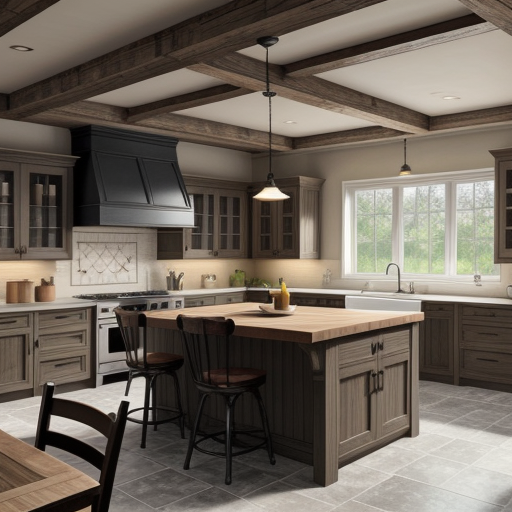
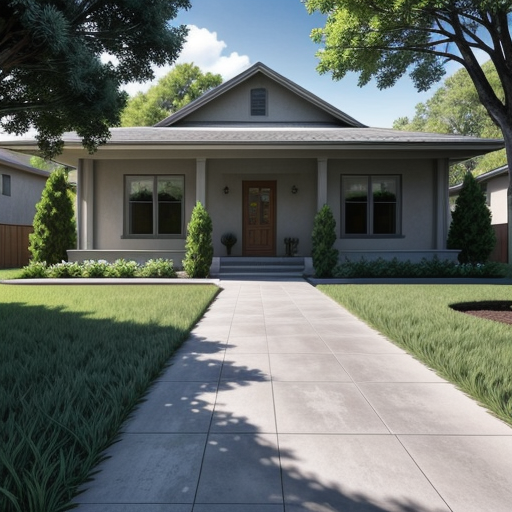
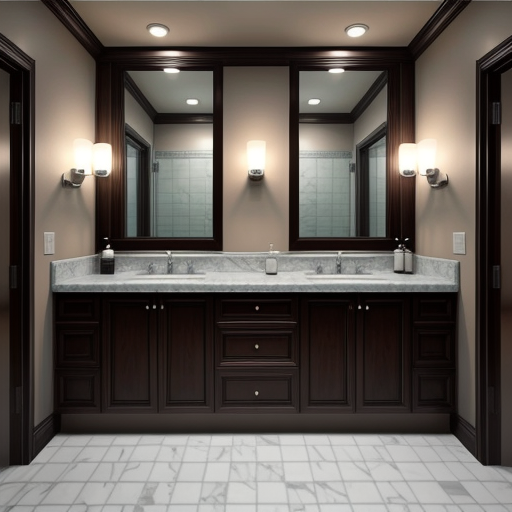
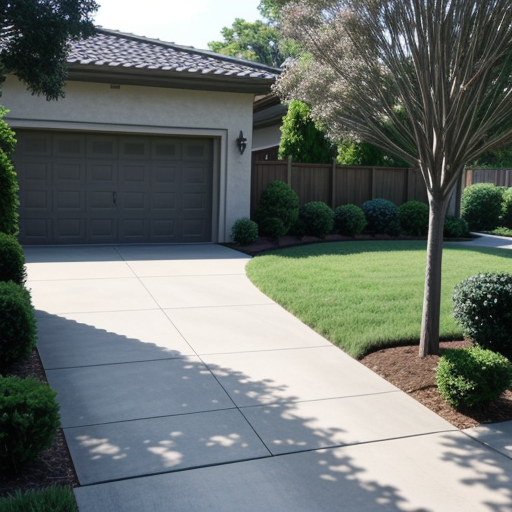
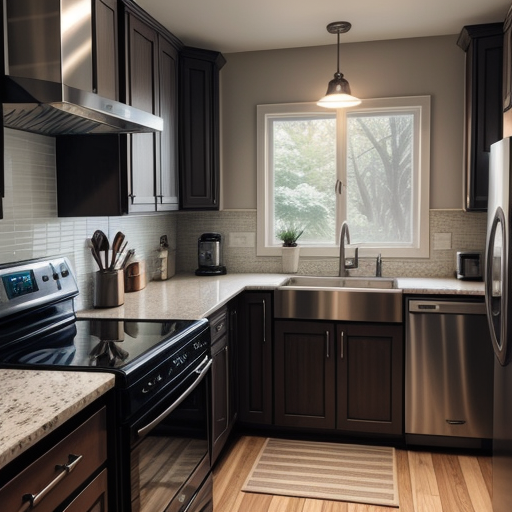
The overall condition of the home plays a vital role in its resale value. Homes that have been well-maintained and updated frequently attract buyers and often command higher prices. Consider aspects such as the age of major systems (roof, HVAC, plumbing), the quality of prior renovations, and the home’s exterior and interior aesthetics. Regular maintenance and renovations can significantly enhance a home's appeal to future buyers.
4. Comparable Sales (Comps)
Conducting a comparative market analysis (CMA) is essential in evaluating a property's potential resale value. Look for recently sold homes in the vicinity that are similar in size, condition, and features. This will provide a realistic benchmark for pricing and highlight how a particular home stacks up against the competition.
5. Economic Factors
Broader economic indicators can also impact a home’s resale potential. Factors such as job growth, interest rates, and local economic health are essential to consider. A robust local economy often correlates with increased demand for housing and the appreciation of property values.
6. Future Development Plans
Research any planned developments in the area, such as new schools, roads, public transportation, or parks. Such improvements can positively influence a neighborhood's desirability and likelihood of increasing property values in the future. Conversely, the potential for undesirable developments, like commercial projects or industrial zones, could negatively impact resale value.
7. Unique Features and Upgrades
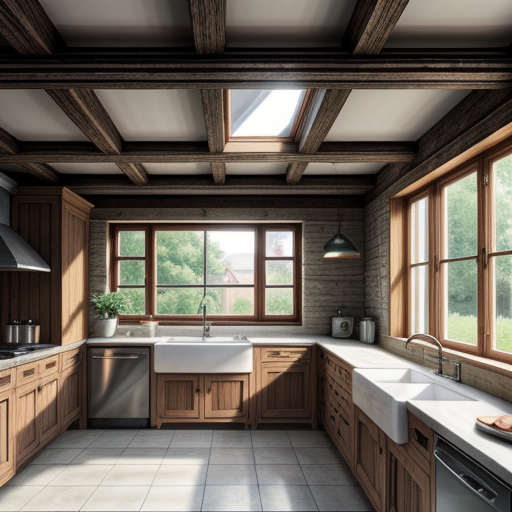
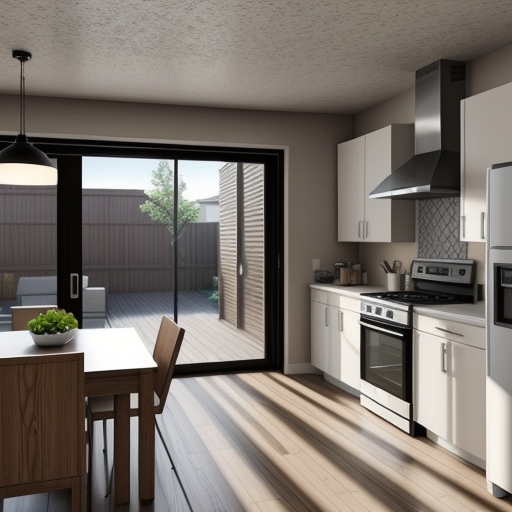
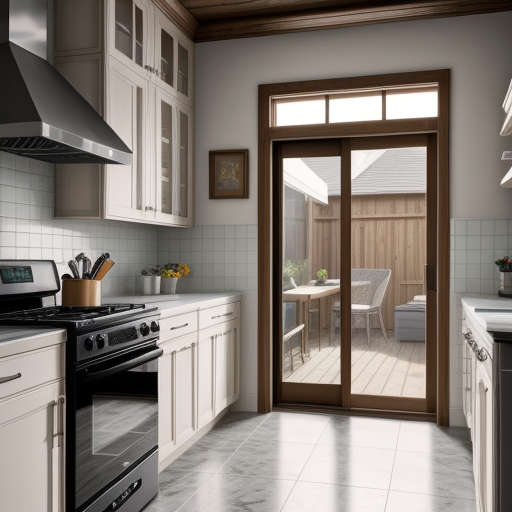
Lastly, unique features or upgrades within a home can significantly enhance its resale value. Energy-efficient appliances, smart home technology, or unique architectural elements can set a home apart and attract more buyers. Assess whether the features of the home you are considering purchasing add to its appeal or detract from it.
In conclusion, evaluating a home's resale value is an essential step in the home buying process. By considering factors such as location, market trends, the home’s condition, comparable sales, economic conditions, future developments, and unique features, you can make a more informed decision about your real estate investment. Armed with this information, you'll be better equipped to identify a property that not only meets your immediate needs but also promises a profitable return in the future.