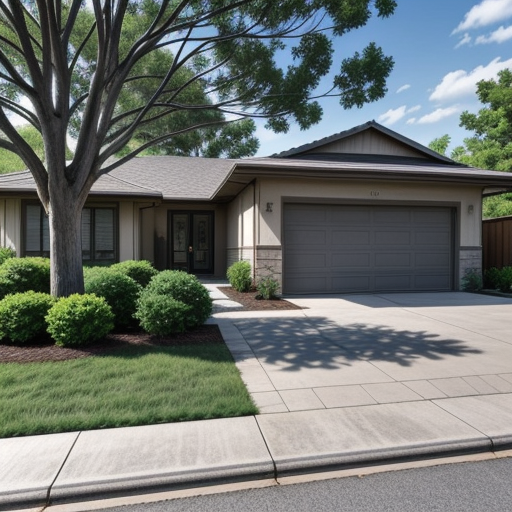
Navigating the world of mortgages is an essential step in purchasing a home, yet it can be perplexing given the variety of options available. Understanding the nuances of different mortgage types can empower homebuyers to make well-informed decisions that align with their financial goals and lifestyle.
Firstly, fixed-rate mortgages are one of the most common types available. These loans maintain the same interest rate throughout the loan's term, typically ranging from 15 to 30 years. Fixed-rate mortgages offer the advantage of predictable monthly payments, which can be beneficial for homeowners seeking stability and long-term financial planning.
In contrast, adjustable-rate mortgages (ARMs) come with interest rates that initially remain fixed for a set period, such as 5, 7, or 10 years, then adjust annually based on market conditions. While ARMs can result in lower initial payments, they carry the risk of potential rate increases, which could lead to higher payments over time. These mortgages can be suitable for buyers who plan to sell or refinance before the adjustment period begins.
Another mortgage type that may interest homebuyers is the government-backed loan. These include VA loans for military veterans, FHA loans for first-time homebuyers, and USDA loans for rural property acquisitions. Government-backed loans often come with relaxed credit standards and lower down payment requirements, providing more accessible pathways to homeownership for qualified individuals.
Homebuyers can also consider interest-only mortgages, which allow borrowers to pay only the interest on the loan for a certain period. While this can reduce initial monthly payments, it may not be the best long-term strategy as it does not build equity in the home.
Finally, hybrid options like balloon mortgages, which require a large payment at the end of the loan term, might appeal to buyers with particular financial strategies. However, these require careful planning to manage the impending lump-sum payment.
Choosing the right mortgage is crucial and involves careful consideration of your financial situation, future plans, and risk tolerance. Consulting with a real estate expert or a financial advisor can provide personalized insights to align your mortgage choice with your homeownership aspirations.