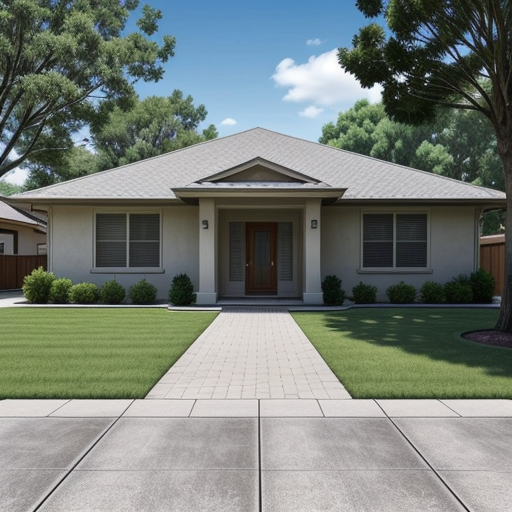
Purchasing a vacation property can be a rewarding investment, offering not only a getaway for personal enjoyment but also the opportunity to generate rental income. However, understanding the various financing options available is essential for making an informed decision. In this article, we will delve into the popular financing solutions specifically designed for vacation homes, helping you navigate the options available.
1. Traditional Mortgages
Standard fixed-rate or adjustable-rate mortgages are often available for vacation properties. Many lenders extend similar terms as they would for primary residences, although you may need a larger down payment of around 20% or more. It's crucial to consult with mortgage lenders who understand the unique aspects of vacation property financing.
2. Home Equity Loans and HELOCs
If you own a primary residence and have built up significant equity, a home equity loan or a Home Equity Line of Credit (HELOC) could be a feasible option. These products allow you to borrow against the equity of your current home to finance the purchase of a vacation property. They often come with lower interest rates compared to conventional loans, making them an appealing choice.
3. Cash Purchases
If you have the financial means, buying a vacation home outright in cash can eliminate the complications associated with mortgages. A cash purchase can simplify negotiations and may even yield a lower purchase price. However, it's essential to consider liquidity and ensure you are not compromising your financial stability.
4. Investment Property Loans
When financing a vacation home with the intention of renting it out, consider applying for an investment property loan. Lenders often view these loans differently than traditional home mortgages. Expect to provide a larger down payment, and be prepared for potentially higher interest rates due to the perceived risk.
5. Specialty Vacation Home Loans
Some lenders offer specialized loans tailored for vacation homes, specifically catering to buyers of second properties. These loans may provide favorable terms or may consider rental income when qualifying for a mortgage, providing additional flexibility. Research and compare various options to find the best fit for your financial situation.
6. USDA or FHA Loans (When Applicable)
In specific rural areas, you might qualify for USDA loans aimed at promoting rural development. In certain situations, vacation homes can fall under the USDA or FHA purview. Ensure you check eligibility requirements, as these loans typically apply primarily to primary residences but can occasionally extend to secondary homes as well.
In conclusion, financing a vacation property involves several options, each with its own benefits and drawbacks. Understanding these financing alternatives will empower you to make a well-informed decision that aligns with your investment goals. Don't hesitate to consult with financial professionals and real estate experts to guide you in your quest for a dream getaway. With careful planning and consideration, you'll be well on your way to owning that idyllic vacation home you’ve always wanted.