In the world of sustainable construction and energy-efficient design, the Passive House standard has gained significant recognition. Established initially in Germany in the late 1980s, this building standard focuses on creating structures that consume minimal amounts of energy while providing maximum comfort and livability for their occupants. Understanding Passive House standards is increasingly relevant for home buyers looking for eco-friendly options and long-term savings on utility bills.
The key concept behind Passive House standards is to utilize design principles that allow for significant reductions in energy use, without relying heavily on active heating and cooling systems. This is accomplished through a combination of insulation, airtightness, high-performance windows, and mechanical ventilation with heat recovery.
-
Thermal Insulation: One of the core principles of Passive House is achieving exceptionally high levels of thermal insulation. This minimizes heat loss in the winter and keeps the house cool during the summer. By using materials with excellent insulating properties, Passive Houses maintain a stable indoor temperature year-round, reducing the need for additional heating and cooling.
-
Airtight Construction: Another vital component is ensuring the building envelope is airtight. This reduces drafts and prevents heat from escaping. A specialized blower door test is often performed during the construction process to check for any leaks, ensuring that the structure meets the rigid airtightness standards required for certification.
-
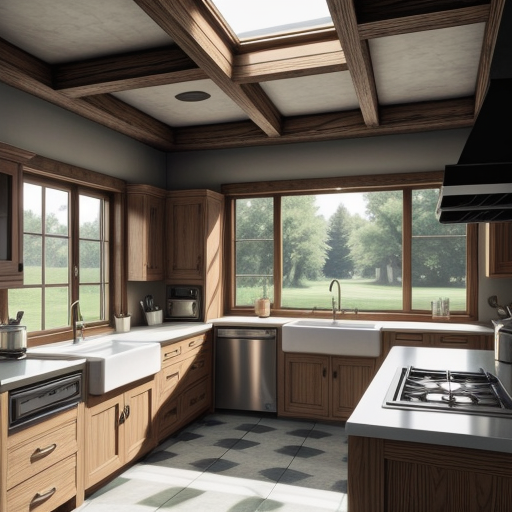
High-Performance Windows: Windows play a significant role in energy efficiency in Passive Houses. These homes typically feature triple-glazed windows with low-emissivity coatings to minimize heat transfer. This design not only enhances energy efficiency but also improves indoor comfort by eliminating cold spots and increasing natural light.
-
Ventilation with Heat Recovery: Passive Houses incorporate a balanced ventilation system that helps maintain fresh air quality while recovering heat from outgoing air. This system ensures that energy losses are minimized, continuously recycling energy within the home and providing a constant flow of fresh, filtered air.
-
Site Orientation and Design: The orientation of the house is also a crucial factor in adhering to Passive House standards. Properly positioning the home to take advantage of passive solar gain, natural shading, and prevailing winds can further enhance energy efficiency.
As a homebuyer, understanding Passive House standards can benefit you in selecting a property that not only meets your needs but also promotes sustainability. Homes built to these standards often come with lower utility costs, reduced environmental impact, and greater comfort, making them highly desirable in today’s market.
In conclusion, the adoption of Passive House standards could be a significant step toward a more sustainable future. If you’re in the market for a home or considering building one, look for properties built to the Passive House standard. Not only will you be investing in an energy-efficient home, but you'll also be contributing to a healthier planet for future generations.