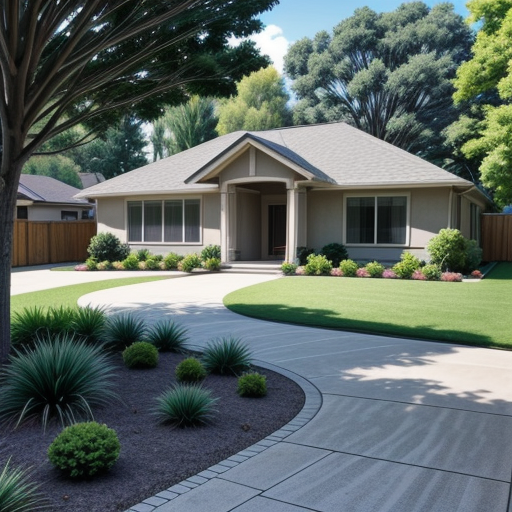
As a property owner in Rapid City, South Dakota, determining the right rental rates is crucial to attracting tenants while maximizing your investment returns. Setting competitive rental rates involves a strategic balance of factors, including market trends, property features, and location-specific attributes.
1. Understand the Rapid City Market: Begin by researching current market conditions in Rapid City. Analyze rental listings in your area to get a sense of the average rates for similar properties. Consider using online platforms like Zillow or local real estate websites to gather data on rental prices in neighboring areas and similar residential complexes. Attending local real estate seminars or networking with industry professionals can also offer valuable insights into market trends.
2. Evaluate Property Features: The specific attributes of your property play a significant role in determining its rental price. Properties that offer modern amenities, such as updated appliances, a garage, or in-unit laundry facilities, can command higher rents. Additionally, if your property boasts unique selling points like proximity to parks, schools, or cultural attractions in Rapid City, these can also justify a premium rental rate.
3. Calculate Costs and Desired Returns: It’s essential to calculate your property's operating expenses, including mortgage payments, insurance, property taxes, and maintenance costs. Once you have a comprehensive view of these expenses, establish your desired return on investment (ROI). Ensure that your rental rate covers these expenses and provides a reasonable profit margin. Be cautious not to set the rate too high, as this could drive potential tenants away.
4. Consider Seasonal and Economic Factors: Rapid City's rental market, like many others, can be influenced by seasonal trends and broader economic conditions. For example, periods when school is in session might see increased demand from families, affecting rental rates. Additionally, pay attention to the local employment rate and economic growth, as these can impact tenants' ability to afford rent.
5. Test and Adjust: Once you've set an initial rental rate, gauge tenant interest. If you quickly receive multiple inquiries or applications, it may indicate that the rate is too low. Conversely, if your property remains vacant for an extended period, consider adjusting the rate downward to attract more interest. Regularly monitor the market and make adjustments as needed to stay competitive.
By following these guidelines, you can set a rental rate that reflects both the value of your property and the nuances of the Rapid City rental market, ensuring a profitable and sustainable investment.