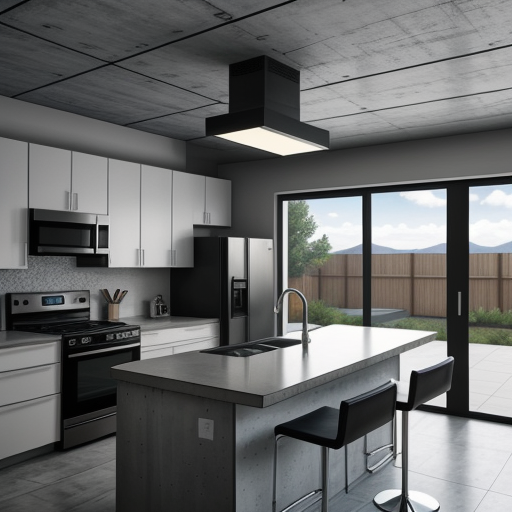
Embarking on a renovation project can be an exciting yet daunting endeavor. Whether you're sprucing up a single room or revamping an entire house, creating a detailed and realistic budget is a critical first step. Not only does it help in controlling expenses, but it also enables you to allocate resources efficiently, ensuring that your renovation proceeds smoothly.
Begin by defining the scope of your renovation. What areas are you planning to remodel, and what are the desired outcomes? This clarity will help in estimating costs more accurately. Conducting thorough research will provide insights into current market prices of materials, labor, and permits, and also help you understand any legal considerations or building codes you must adhere to.
Once you have an outline of the project, start gathering quotes from contractors and suppliers. Obtain multiple estimates to compare pricing and services, which will assist in identifying the best deals without compromising on quality. Don't forget to save receipts and track expenses meticulously to stay within your budget.
It's also essential to build a buffer for unexpected expenses, often referred to as a contingency fund, which should be around 10-20% of your total budget. This will cover any surprises that may arise during the renovation, such as structural issues or unplanned upgrades.
Prioritize your needs over wants to keep your budget in check. While it's tempting to choose high-end finishes and fixtures, opting for quality yet affordable options can significantly cut down on costs. Additionally, consider doing some of the work yourself if it's safe and feasible, as this can contribute to savings.
Regularly review and adjust your budget as the project progresses. Engage with your contractors to maintain transparency and ensure everyone is aligned with the financial plans. This ongoing communication will help detect any overruns early, allowing for timely corrective measures.
In conclusion, a well-planned budget acts as a roadmap for your renovation project, guiding you towards successful completion without unnecessary financial stress. Preparing thoroughly, comparing costs, allocating funds wisely, and maintaining flexibility are the cornerstones of a sound renovation budget strategy.