When it comes to purchasing a home, one of the most critical factors to consider is its potential resale value. Understanding how to evaluate this aspect can not only help you make an informed investment but also ensure that your financial future is secure. Here are some essential factors to keep in mind when assessing a home's resale value.
Location is Key
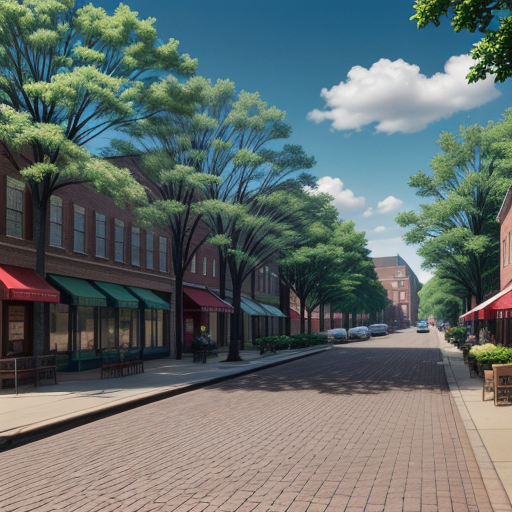
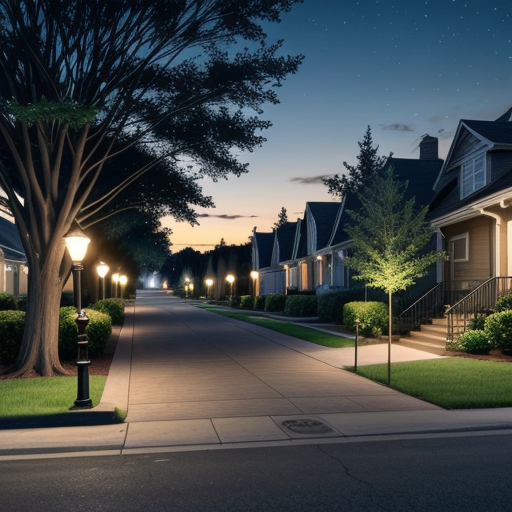
A home's location significantly influences its resale value. Properties situated in desirable neighborhoods with access to schools, parks, shopping centers, and public transportation tend to have higher resale values. Research the trends in the neighborhood and assess its overall appeal to potential future buyers.
Market Trends
Understanding the current real estate market trends of your area is crucial for evaluating a home's resale value. Analyzing the market conditions, such as whether it is a buyer’s or seller’s market, can provide insights into potential appreciation. Look into recent sales data, average time on the market, and the prices of comparable properties (comps) to gauge the environment.
Home Condition and Updates
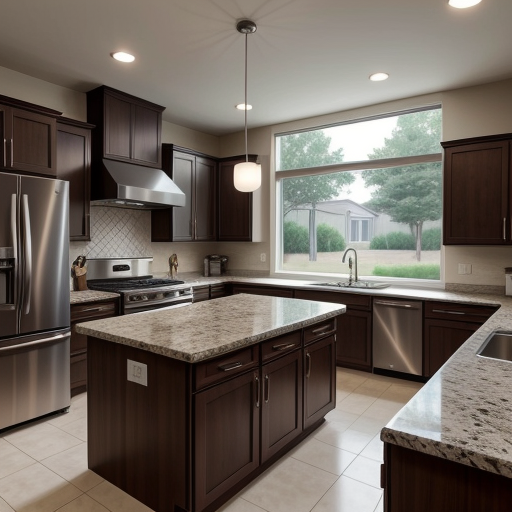
The condition of the home plays an essential role in resale value. Homes that have been well-maintained or recently updated with modern amenities, energy-efficient systems, and high-quality materials will generally command higher prices. Pay attention to critical areas such as the roof, plumbing, electrical systems, and kitchen or bathroom renovations, as these can significantly impact the home's value.
Size and Layout
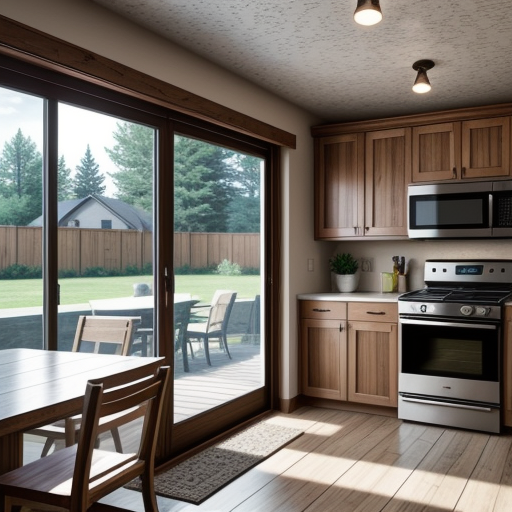
The size of the home, as well as its layout, can affect buyer interest and resale value. Homes with functional layouts that cater to today’s lifestyle—such as open floor plans or ample storage space—tend to be more desirable. Additionally, consider the number of bedrooms and bathrooms; more bedrooms typically equate to a higher value, especially in family-oriented areas.
Curb Appeal
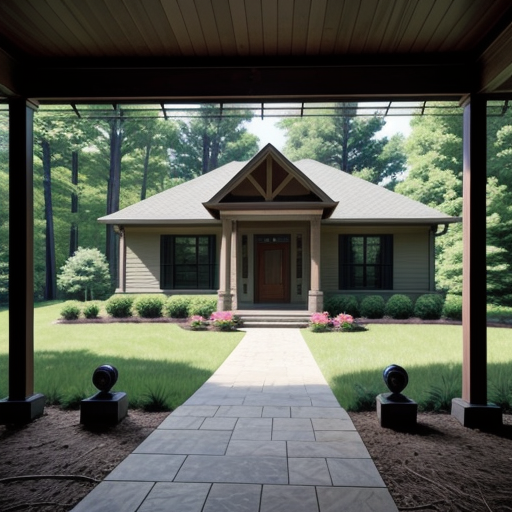
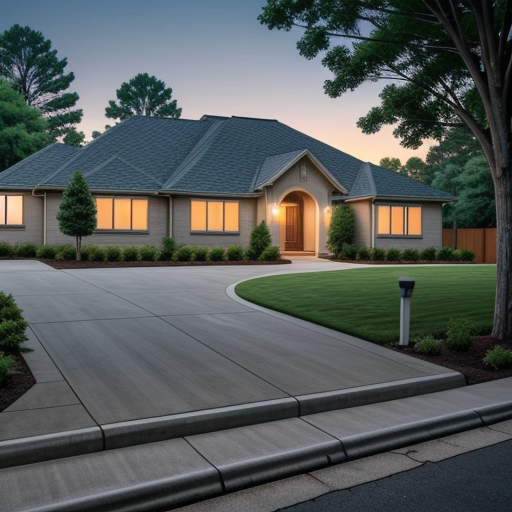
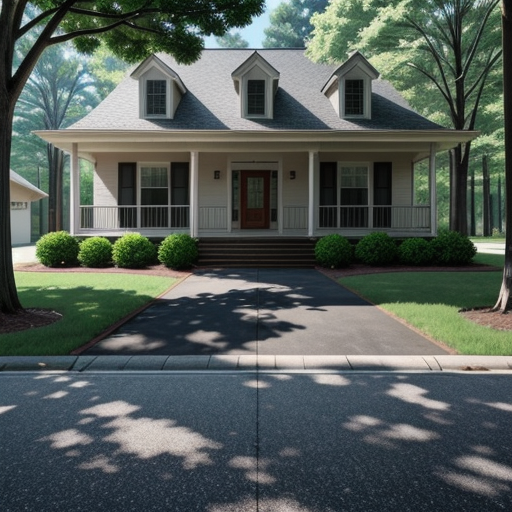
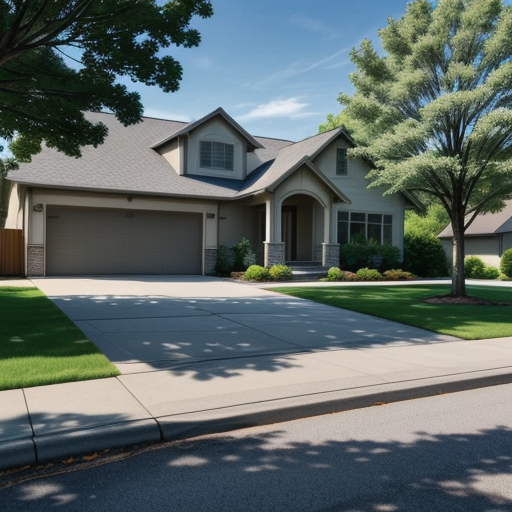
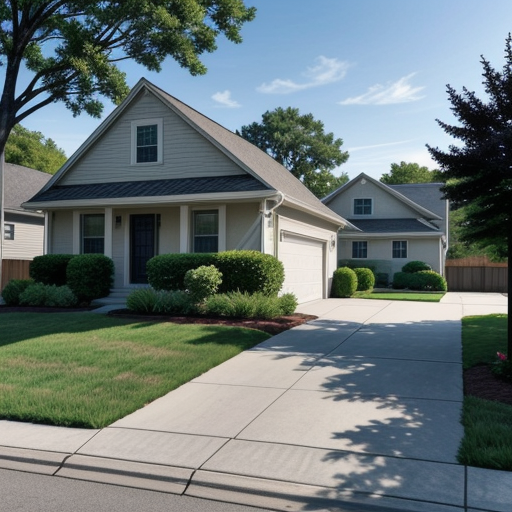
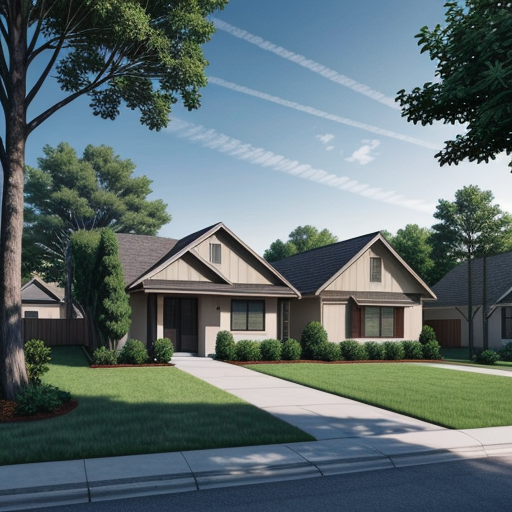
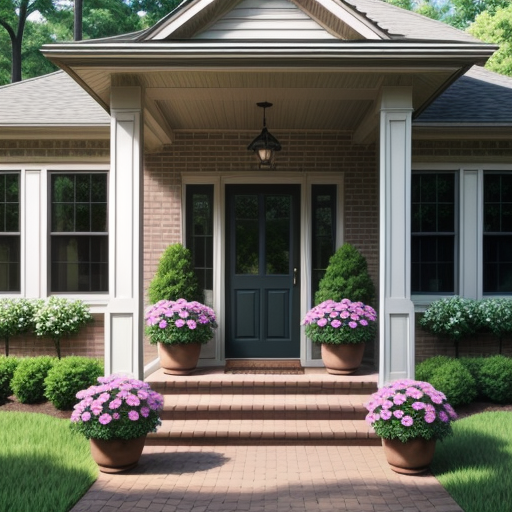
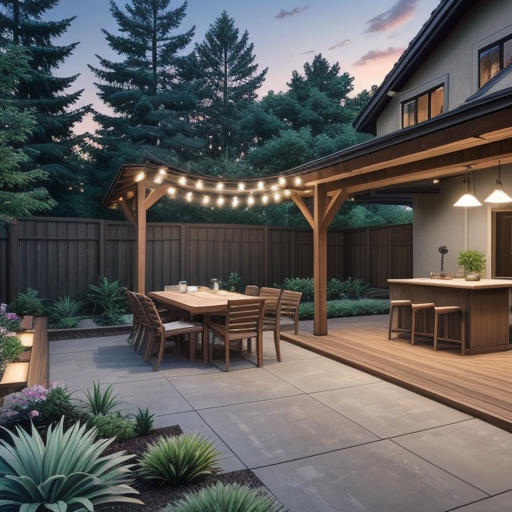
First impressions matter. A home’s curb appeal can enhance its perceived value significantly. A well-kept exterior, including landscaping, paint, and outdoor features, can attract more buyers and encourage better offers. Taking the time to invest in curb appeal is essential for maximizing resale value.
Future Development and Community Changes
Investigate any proposed developments or changes in the community that might impact property values in the long term. New schools, shopping areas, or public transportation options can increase desirability and consequently raise property values. Conversely, the construction of undesirable facilities may have the opposite effect.
In conclusion, evaluating a home's potential resale value involves a comprehensive analysis of various factors, including location, market trends, home condition, size, curb appeal, and future community changes. Taking these elements into account not only aids in making an informed purchase but also helps secure your investment for the future. By considering these aspects carefully, you’ll be well on your way to choosing a property that promises a strong resale potential.