In today's real estate market, enhancing your home's energy efficiency is not just beneficial for the environment; it can also significantly increase the value of your property. Whether you're a first-time homeowner or an experienced real estate investor, making your home more energy-efficient is a wise investment.
The first step in improving your home’s energy efficiency is to conduct an energy audit. This process involves assessing how much energy your home consumes and identifying areas where you can make improvements. You can hire a professional energy auditor, or there are several do-it-yourself guides available if you prefer a hands-on approach.
Once you have identified areas that need improvement, start by sealing leaks around doors, windows, and other openings to prevent heat loss. Weather-stripping and caulking are quick and cost-effective methods to eliminate drafts and maintain comfortable indoor temperatures.
Upgrading insulation is another critical measure. The correct insulation keeps your home warmer in winter and cooler in summer, reducing the need for excessive heating or cooling. Attics, walls, and other areas of your home that are prone to heat transfer should be properly insulated.
Next, consider replacing single-pane windows with energy-efficient models. Double or triple-pane windows with low-E (low-emissivity) coatings can significantly reduce energy loss. Similarly, upgrading to energy-efficient doors can further trap heat inside your home during colder months.
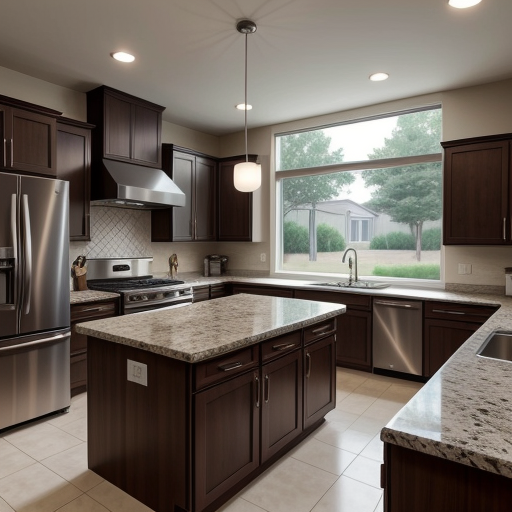
Investing in energy-efficient appliances can also drastically cut energy use and reduce utility bills. Look for the ENERGY STAR label when purchasing new appliances, as these are certified to save energy without compromising functionality or performance.
Additionally, switching to LED lighting reduces energy consumption compared to traditional incandescent bulbs. LEDs have a longer lifespan and offer the same level of brightness using a fraction of the energy.
Consider incorporating renewable energy solutions like installing solar panels. Solar energy not only reduces reliance on non-renewable sources but can also provide potential financial benefits through tax incentives and the possibility of selling excess power back to the grid.
Smart home technology can play a crucial role in managing energy use. Programmable thermostats, smart lighting, and energy consumption monitoring systems allow you to optimize energy use based on your daily schedule.
Ultimately, by upgrading various aspects of your home, you can increase its energy efficiency, resulting in lower utility costs and a smaller carbon footprint. With growing awareness of the importance of sustainability, energy-efficient homes are highly attractive in the real estate market, appealing to eco-conscious buyers.
Implementing these strategies not only contributes to environmental conservation but also enhances your home's comfort and marketability.