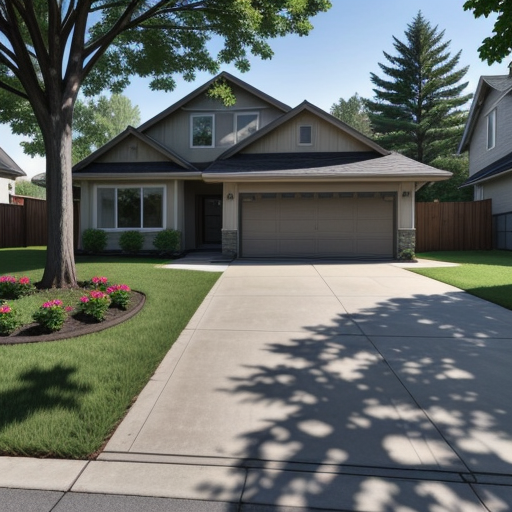
Purchasing a vacation home is a dream for many, providing a tranquil getaway and potential rental income. However, financing a vacation property often requires careful planning and understanding of available options. This guide will explore various financing solutions to help you make an informed decision.
First, traditional mortgage loans can be an attractive option for those with good credit and stable income. These loans often offer competitive rates, but lenders typically require a larger down payment, often at least 20%, due to the perceived higher risk associated with vacation properties. Buyers must also maintain a solid debt-to-income ratio to qualify for favorable rates.
A second mortgage or home equity loan is another possibility for those who already own a primary residence. This option allows homeowners to leverage their existing equity to finance a vacation property. While this can be advantageous, it's crucial to consider the risks, as a second mortgage means additional debt and potential exposure to rising interest rates.
For those considering renting their vacation property, a rental property loan might be more suitable. These loans are designed specifically for investment properties and may consider the potential rental income in the qualification process. However, such loans often come with stricter requirements and higher interest rates compared to primary residence loans.
Cash-out refinancing is an alternative for current homeowners seeking to access funds by refinancing their existing mortgage. This approach can provide a lump sum that may be put towards purchasing a vacation home. It's essential to weigh the benefits against the increase in your mortgage debt and potential closing costs.
Moreover, some buyers might explore leveraging personal loans or savings, particularly if the vacation property is less expensive or if they wish to avoid traditional financing complexity. While personal loans do not require collateral, they usually come with higher interest rates and shorter repayment terms.
In conclusion, financing a vacation home involves various factors and options. It's advisable to consult with mortgage professionals or financial advisors to find the best solution tailored to your financial situation and goals. Careful consideration and strategic planning can turn the dream of owning a vacation home into reality.