When purchasing a home, one of the most critical factors to consider is its resale value. The ability to recoup your investment in the future can greatly impact your overall financial health. Evaluating a home's resale potential requires a thorough assessment of various elements, including location, condition, and market trends. In this article, we will explore essential criteria to help you make an informed decision regarding a property's resale value.
Location, Location, Location
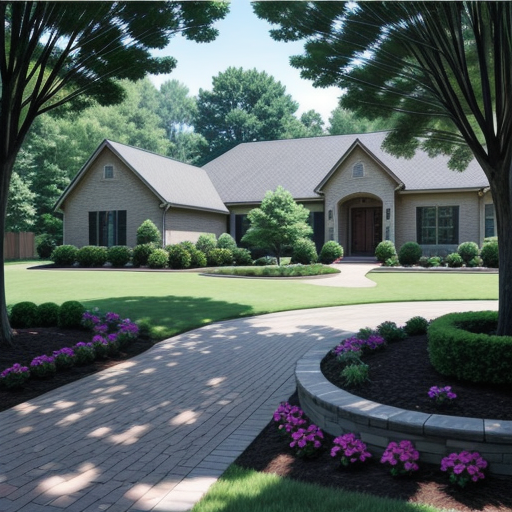
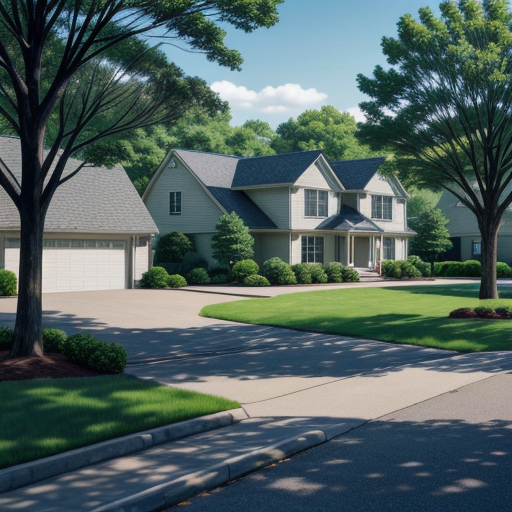
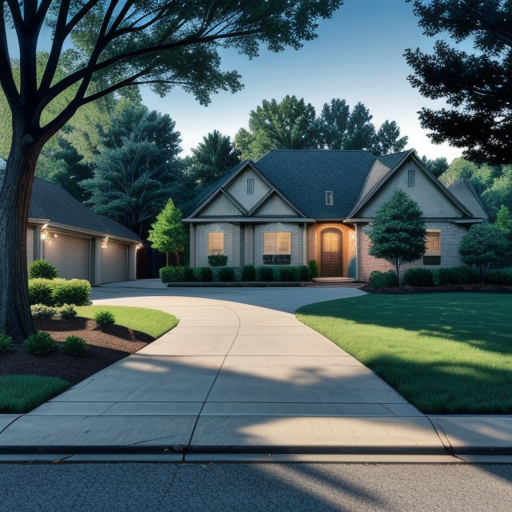
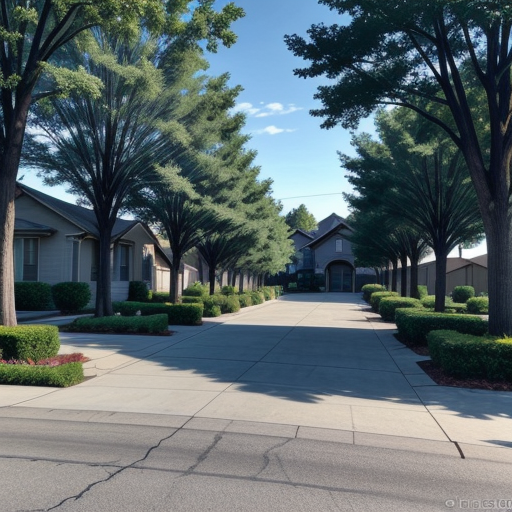
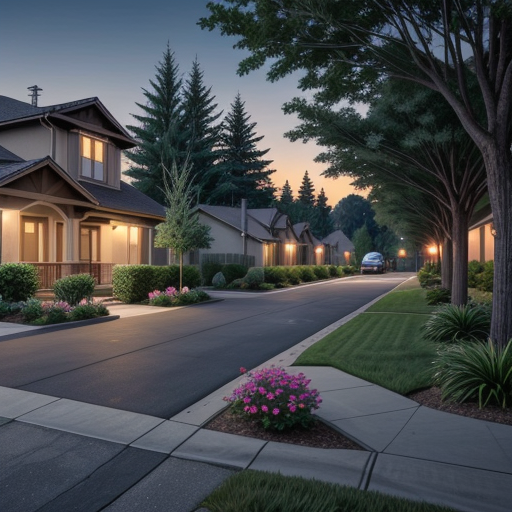
The age-old adage rings true in real estate: location is paramount. A home situated in a desirable neighborhood tends to have a higher resale value. Factors that enhance a location include proximity to schools, parks, shopping centers, and public transportation. Neighborhood safety and overall community reputation also play significant roles in determining a home's appeal for future buyers.
Property Condition
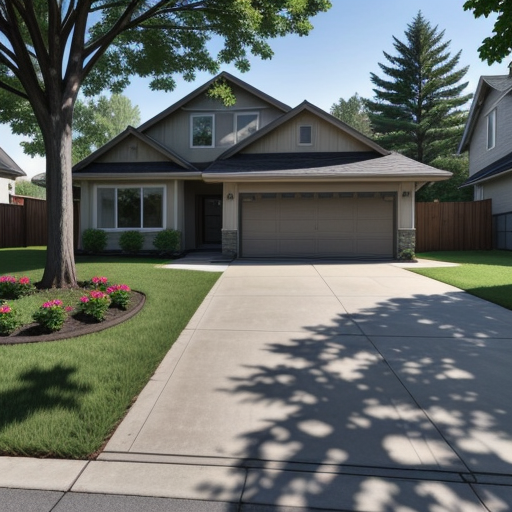
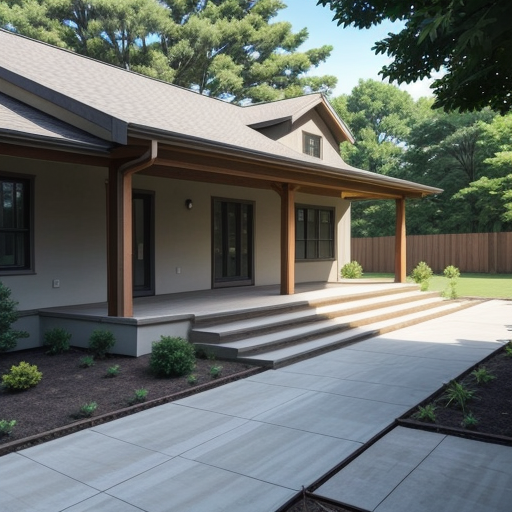
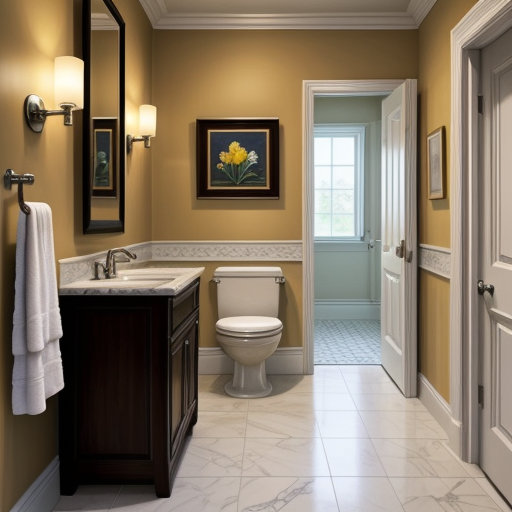
Similarly, the condition of the home can significantly impact its resale value. A well-maintained property presents a better opportunity for a profitable sale compared to properties in disrepair. Be on the lookout for any major renovations or repairs that have been conducted, as these can boost the home's appeal. Additionally, energy-efficient features and modern amenities often attract buyers interested in a lower maintenance and utility cost.
Market Trends and Competition
Understanding the current real estate market dynamics in the area is crucial. Research recent sales of similar homes, commonly referred to as 'comparables' or 'comps'. This will provide a baseline for pricing and give you a clearer idea of the neighborhood’s price trends. Staying abreast of market conditions, such as whether it's a buyer's or seller's market, can guide your investment decision and future listing potential.
Future Developments
Keep a keen eye on any planned developments in the area, such as new schools, parks, or commercial spaces, as these can directly influence property value. While they might not be completed yet, the anticipation of better facilities can attract more buyers in the future, boosting the home's resale value.
Unique Features or Challenges
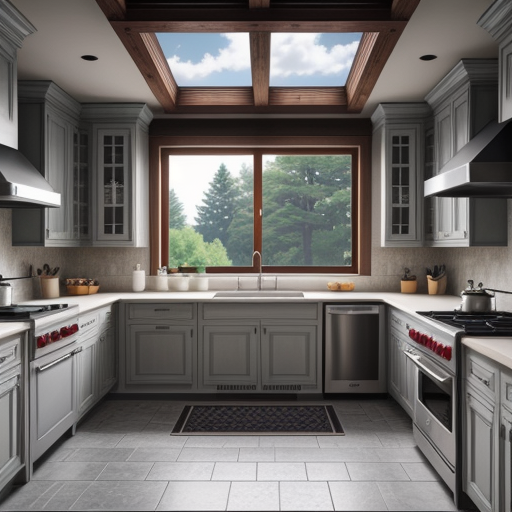
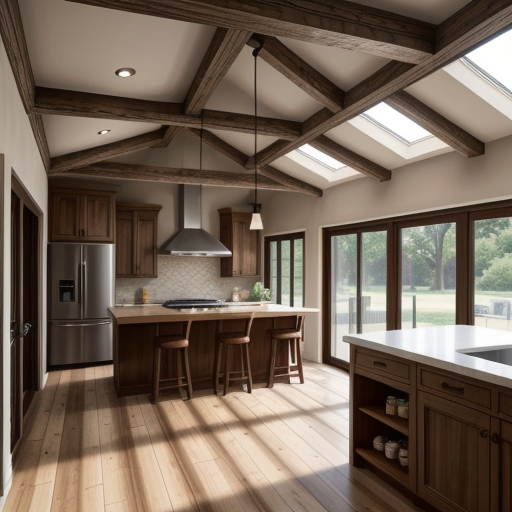
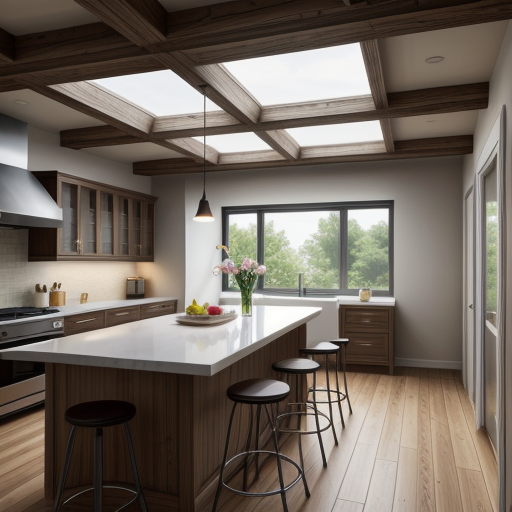
Lastly, consider any unique features of the property that could enhance or detract from its resale value. Unique characteristics such as a large backyard or a recently updated kitchen can add significant appeal. Conversely, factors like an outdated layout or a lack of off-street parking can hinder resale potential.
In conclusion, evaluating a home's resale value involves a careful analysis of various aspects, from location and condition to market dynamics and unique features. By taking the time to assess these factors, you can make a more informed decision that supports not only your immediate home buying needs but also your long-term financial goals. Armed with this knowledge, you can confidently navigate the real estate market and select a property with promising resale potential.