When embarking on the journey of homeownership, attending home tours is a crucial step to finding your perfect property. This experience can be both exciting and overwhelming, so it’s essential to know what to look for during a home tour to make an informed decision. Here are key factors to consider when you visit potential new homes.
1. Structural Integrity
As you enter a home, take note of its foundation and structural soundness. Look for cracks in walls, ceilings, and the foundation itself. Any signs of water damage, such as stains on ceilings or walls, could indicate underlying issues that may require costly repairs. Paying close attention to these details can save you from making a financial mistake later.
2. Room Layout and Space
While touring the home, imagine your daily life in each room. Is the layout functional for your needs? Consider the flow of space between rooms and whether it caters to your lifestyle. Assess whether there is enough space for your furniture and belongings, as well as consider any potential renovation needs.
3. Natural Light and Ventilation
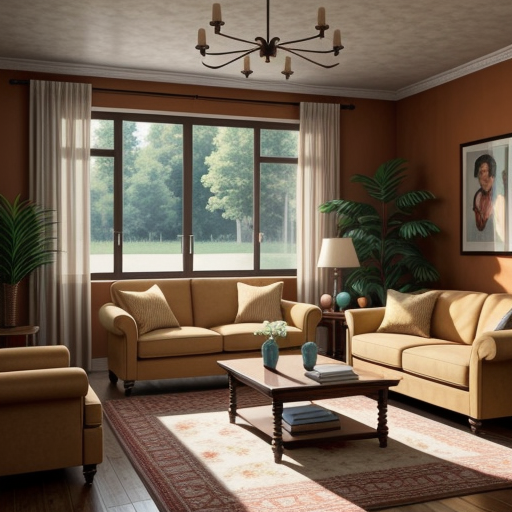
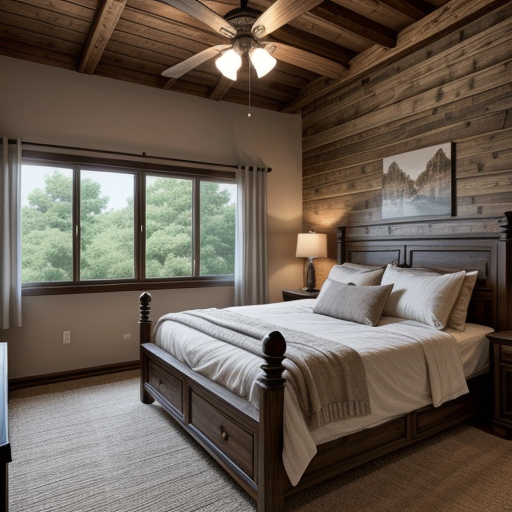
Natural light can significantly enhance the ambiance of a home. Pay attention to the number and size of windows in each room. Bright, airy spaces tend to feel more inviting. Also, check the ventilation in the home—ensuring there are sufficient air vents or windows that can be opened will help maintain a comfortable indoor climate.
4. Neighborhood and Location
The location of a home is just as important as the property itself. Take a moment to walk around the neighborhood while you’re there. Is it quiet or noisy? Are there amenities nearby, such as grocery stores, parks, and schools? Additionally, consider the overall safety and community vibe. Always remember that what lies outside the walls of your future home can significantly impact your quality of life.
5. Condition of Appliances and Fixtures
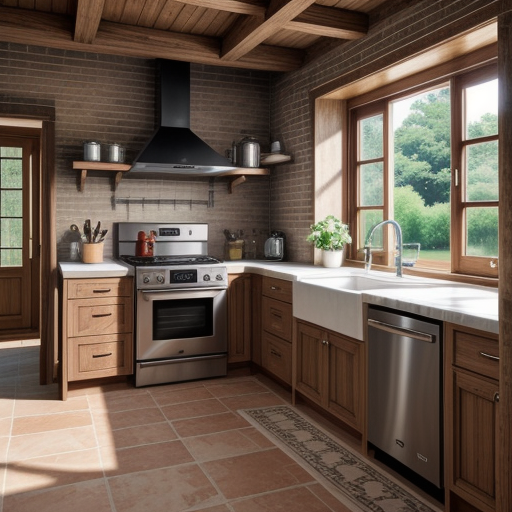
During your tour, ask about the age and functionality of appliances and fixtures included with the home. Items like the HVAC system, hot water heater, and kitchen appliances can lead to significant expenses if they require replacement soon after your purchase. Ensure you also test any lights and plumbing fixtures to guarantee everything operates as it should.
6. Energy Efficiency
An energy-efficient home not only reduces your carbon footprint but also saves you money in the long run. Inquire about insulation quality, window type, and energy-saving features like solar panels or energy-efficient appliances. Verify if there are any recent upgrades that contribute to energy efficiency, as this can directly impact your utility bills.
7. Storage Space
Ample storage is essential for any homeowner. As you tour a home, evaluate the available storage options. Check closets, cabinets, and any additional spaces like attics or basements. Adequate storage can make day-to-day life much easier, helping you maintain an organized living environment.
Conclusion
A home tour is not just about envisioning yourself in a new space; it’s also an opportunity to thoroughly evaluate the property. By focusing on structural integrity, room layout, natural light, neighborhood dynamics, appliance conditions, energy efficiency, and storage solutions, you will be better equipped to make an informed and confident purchasing decision. Remember to take notes and ask questions during your tours to ensure you don’t miss any critical details. Happy house hunting!