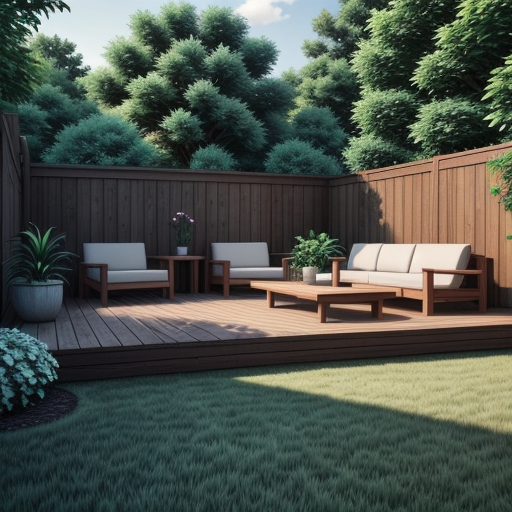
Creating a sustainable garden is an engaging and rewarding way to contribute to environmental conservation while enhancing your property's value and appeal. This guide will walk you through key steps to establishing an eco-friendly garden that thrives year-round with minimal environmental impact.
First, consider the selection of native plants as they are naturally adapted to your local climate and soil conditions. Native plants typically require less water and are more resistant to pests, reducing the need for chemical fertilizers and pesticides. Research which species are indigenous to your area and incorporate them into your garden design for a vibrant and low-maintenance landscape.
Efficient water use is a cornerstone of sustainability. Implementing a rainwater harvesting system can significantly reduce your garden's water consumption. Collect rainwater in barrels or install a more elaborate system to irrigate your garden naturally. Additionally, consider using drip irrigation instead of traditional sprinklers to target water directly to the plant roots, minimizing evaporation and runoff.
Composting is another powerful tool for creating a sustainable garden. By recycling organic waste such as kitchen scraps and yard trimmings, you enrich your soil with nutrients while reducing landfill contributions. Establish a compost pile or bin in your garden, layering green and brown materials and rotating them periodically for optimal breakdown.
Incorporating elements of permaculture can further enhance your sustainable efforts. Designed to mimic natural ecosystems, permaculture gardens involve strategic planning of plant groupings to create symbiotic relationships, optimize space, and diversify yields. Research permaculture principles to explore how they can be integrated into your garden design.
Finally, consider the use of natural pest management techniques. Encourage beneficial insects like ladybugs and lacewings to control pest populations naturally. Utilize companion planting strategies, such as interplanting marigolds or nasturtiums, to repel harmful insects without resorting to toxins.
By integrating these sustainable gardening practices, you can create a flourishing garden that not only adds beauty and value to your home but also contributes positively to the environment. Engaging in such eco-friendly practices not only benefits nature but can also enhance your reputation as a conscientious homeowner in the real estate market.