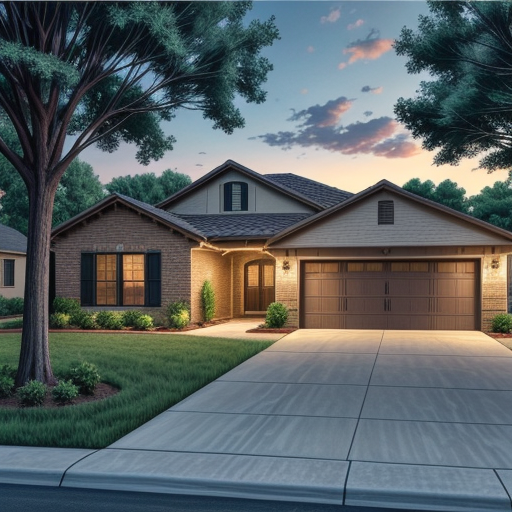
Selling a home can be an exciting yet complex endeavor. Understanding the phases of the home selling process will help you navigate this journey with confidence. In this guide, we will cover what to expect at each step, ensuring that you are well-prepared to make informed decisions.
1. Preparing Your Home for Sale
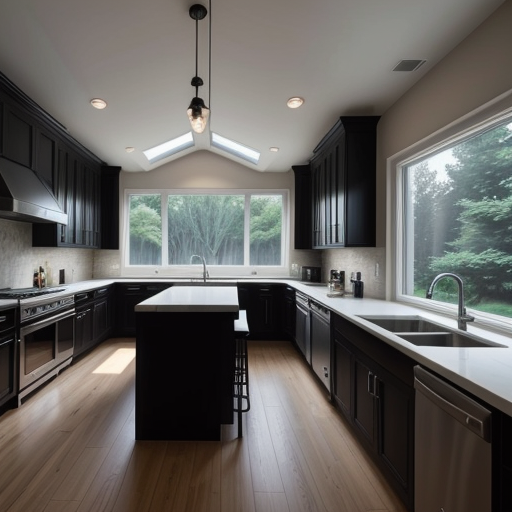
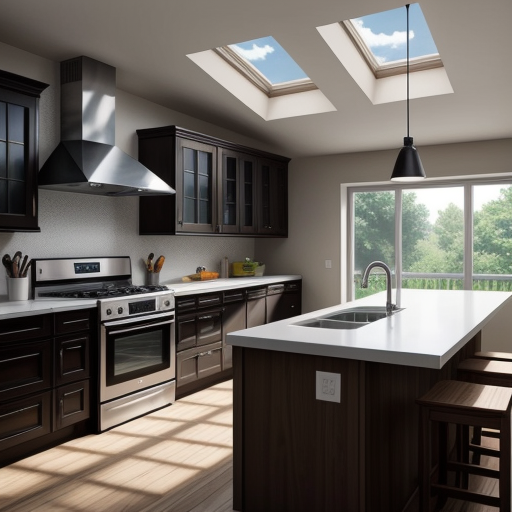
The first step is preparing your property for the market. Consider making necessary repairs and improvements to enhance the home’s appeal. Decluttering and staging the home can also make a significant difference, helping potential buyers envision themselves in the space. Don’t forget to clean thoroughly, both inside and out.
2. Setting the Right Price
Determining the right listing price is crucial for a successful sale. Engage a real estate agent who can provide a comparative market analysis (CMA) to help you understand the value of your home compared to similar properties in your area. The right price will attract buyers while ensuring you maximize your investment.
3. Marketing Your Home
Once your home is ready and priced appropriately, effective marketing is essential. This may include professional photography, virtual tours, open houses, and listing your home on multiple platforms. A well-executed marketing strategy can significantly expand your potential buyer pool.
4. Showings and Open Houses
As potential buyers express interest, you’ll need to facilitate showings and open houses. Be prepared for visits, ensuring your home is clean and tidy. This may also involve flexibility in scheduling, as interested buyers will want to see the property at convenient times.
5. Receiving Offers
When you receive offers on your home, your real estate agent will help you evaluate each one. Consider not just the price, but also the terms and contingencies. Negotiation may occur, and it’s essential to remain open and realistic throughout this process.
6. Under Contract
Once you accept an offer, your home will go under contract. During this period, various processes such as home inspections, appraisals, and repairs will take place. It is essential to cooperate fully and keep communication lines open to facilitate a smooth transaction.
7. Closing the Sale
Finally, you’ll reach the closing phase, where the legal transfer of ownership occurs. This involves signing documents, settling any outstanding fees, and transferring the title to the buyer. Once completed, you’ll officially have sold your home!
Conclusion
Selling a home is a step-by-step process that requires planning, patience, and sometimes a bit of negotiation. By preparing adequately and working with knowledgeable professionals, you can expect a successful outcome in your home selling journey. Whether you’re upsizing, downsizing, or relocating, understanding each phase will empower you to make informed choices throughout this important transition.