In today's environmentally conscious society, homeowners are increasingly focused on improving their homes' energy efficiency. Not only does this benefit the environment, but it can also lead to significant savings on utility bills. In this guide, we will explore various strategies to enhance your home's energy efficiency.
1. Conduct an Energy Audit
The first step in increasing your home’s energy efficiency is to conduct a thorough energy audit. This assessment helps identify where energy is being wasted. You can perform a DIY audit by checking for drafts around windows and doors, examining insulation levels, and inspecting appliances. Alternatively, consider hiring a professional energy auditor for a comprehensive evaluation.
2. Insulate Your Home
Proper insulation is crucial for maintaining your home's temperature. Check areas such as the attic, walls, floors, and crawl spaces to ensure adequate insulation levels. Upgrading insulation can help reduce the workload on heating and cooling systems, leading to lower energy expenses.
3. Upgrade Windows and Doors
Older windows and doors can be major culprits in energy loss. Consider replacing single-pane windows with double or triple-pane versions that offer better insulation. Additionally, ensure that doors fit snugly and are equipped with weatherstripping or door sweeps to prevent drafts.
4. Use Energy-Efficient Appliances
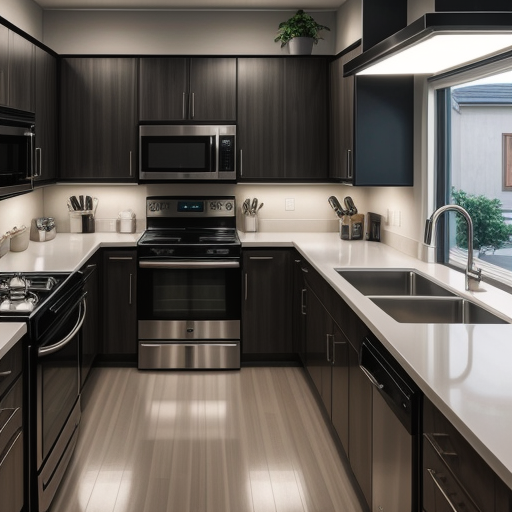
When it's time to replace your appliances, choose energy-efficient models that have the ENERGY STAR label. These appliances use less energy compared to standard options, which can significantly reduce your electricity bills over time.
5. Implement Smart Technology
Smart home technology can help you monitor and control your energy usage more effectively. Consider installing smart thermostats, energy monitoring systems, and smart lighting. These devices allow you to manage your energy consumption remotely, providing valuable insights into your usage patterns.
6. Optimize Heating and Cooling Systems
Regular maintenance of your heating, ventilation, and air conditioning (HVAC) systems is essential for energy efficiency. Schedule professional tune-ups, replace air filters routinely, and consider upgrading older systems to more efficient models. Moreover, programmable thermostats can help regulate temperature settings according to your lifestyle.
7. Embrace Renewable Energy Sources
If feasible, look into renewable energy options, such as solar panels. These installations can greatly decrease your reliance on traditional power sources and may even earn you credits on your utility bills through various energy rebate programs.
In conclusion, increasing your home’s energy efficiency involves a proactive approach that combines assessment, upgrades, and technology. By implementing these strategies, you not only create a more sustainable living environment but also enhance your property value and save on energy costs in the long run. Making energy-efficient improvements could transform your home into a model of sustainability and comfort, ultimately benefiting both your wallet and the planet.