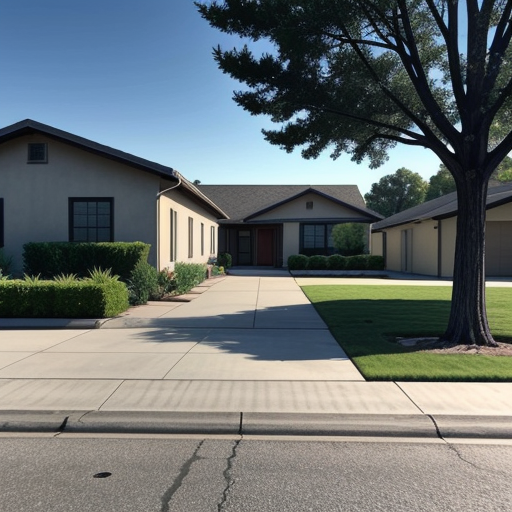
Investing in a multi-family property can be a wise financial decision, particularly for those looking to supplement their income through rental units. However, successfully navigating this type of investment requires careful planning and consideration. Below are several key factors to contemplate when purchasing a multi-family property.
Location, Location, Location
The adage holds true in real estate. The location of your multi-family property can significantly affect your rental income potential and property value. Research the neighborhood’s demographics, economic conditions, and proximity to amenities such as schools, public transport, and shopping centers. An area with strong growth potential can lead to a better return on investment (ROI).
Property Condition
Before making a purchase, conduct a thorough inspection of the property. Assess the roof, plumbing, electrical systems, and overall structure. Look for signs of damage or needed repairs, as these can be costly over time. It is advisable to hire a professional inspector who specializes in multi-family properties to help identify any hidden issues.
Tenant History
Understanding the current tenant situation is crucial. Investigate the rental history of the property to gauge tenant turnover and rental income stability. If possible, obtain information regarding lease terms and tenant payments. A building with a stable occupancy rate and reliable tenants can be a positive indicator of long-term success.
Zoning Laws and Regulations
Be aware of any zoning laws or regulations that may affect the use of your multi-family property. These laws can influence the types of tenants you can attract and how many units you can rent out. Familiarize yourself with local regulations that dictate property management, tenant rights, and rental agreements to ensure compliance.
Financing Options
Explore various financing options available for multi-family properties. It is essential to understand your budget and the financial implications of your investment. Traditional loans, FHA loans, and even government-backed programs may present different terms and interest rates. Consulting with a financial advisor or mortgage broker can help clarify what option is best suited for your financial situation.
Future Potential
Consider the future development prospects of the area. Is there potential for urban development, infrastructure improvements, or population growth? Investigating city plans can give you insights into possible value appreciation of your property. Purchasing in an area poised for growth can lead to improved rental rates and increased property value down the road.
In conclusion, buying a multi-family property involves a variety of factors that must be carefully evaluated. Consider the location, property condition, tenant history, zoning laws, financing options, and future potential of the area. By taking these key considerations into account, you can make an informed decision that aligns with your financial goals. Always consult with real estate professionals, including agents and advisors, to optimize your investment strategy.