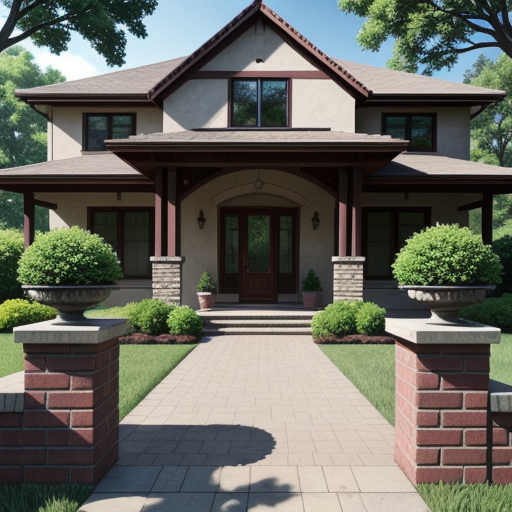
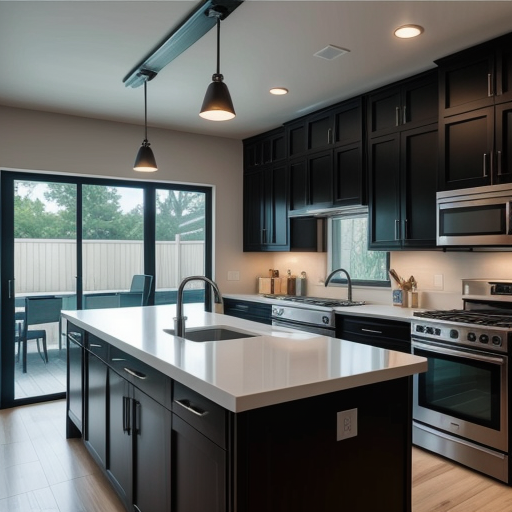
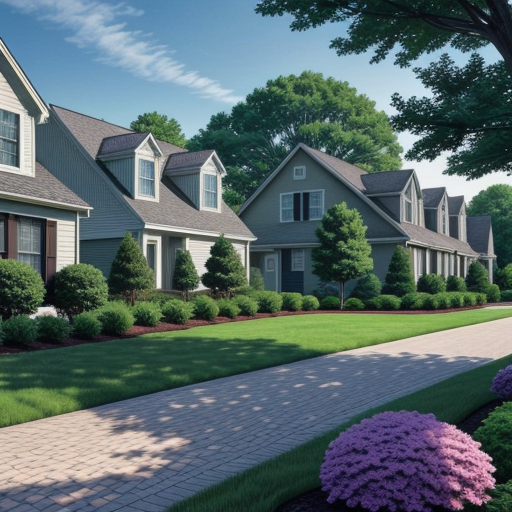
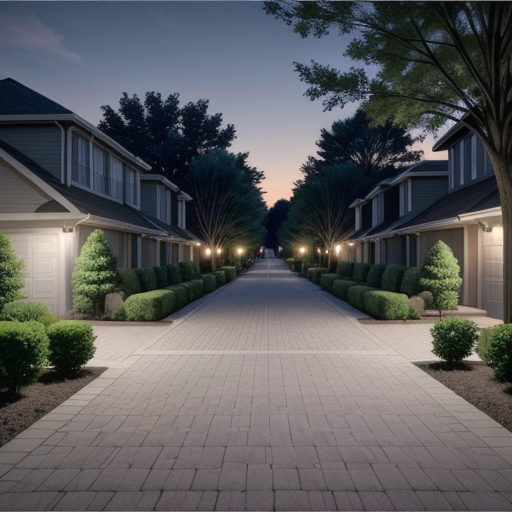
In today's sustainable-minded real estate market, understanding LEED Certification can provide significant advantages for both buyers and sellers. LEED, which stands for Leadership in Energy and Environmental Design, is a globally recognized framework for green building. It focuses on creating efficient, eco-friendly, and cost-effective sustainable buildings. The certification can significantly impact property appeal, resale value, and operating costs.
LEED certification assesses a building's sustainability, energy conservation, water efficiency, and material selection, emphasizing the health and environment. Properties are rated on a point-based system across different levels: Certified, Silver, Gold, and Platinum. Each level reflects the extent to which sustainable practices have been integrated into the property's design, construction, and operation.
The benefits of owning or investing in a LEED-certified property are significant. These buildings generally offer lower operating costs due to increased energy and water efficiency. Additionally, LEED properties can command higher market values and rental rates, given their appeal to environmentally conscious consumers. Studies have also shown that employees and residents in green buildings enjoy improved health and productivity levels.
For real estate professionals, understanding LEED Certification is crucial in today's market. It allows you to better educate potential buyers, particularly the growing segment of eco-conscious clients. It also provides an opportunity to showcase your listings' green credentials, setting them apart in a competitive market.
Whether you're a buyer looking to invest in sustainable real estate or a seller wanting to showcase the value of your eco-friendly property, understanding the principles and benefits of LEED certification is an essential step toward making informed real estate decisions.