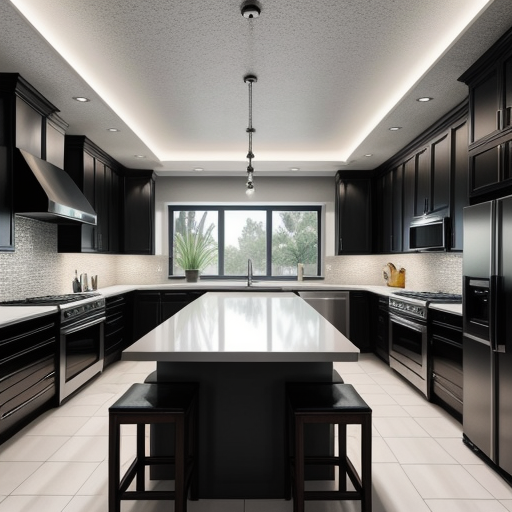
Undertaking a renovation can be an exciting yet daunting project for homeowners. Whether you’re looking to enhance your living space, improve functionality, or increase your property's value, establishing a realistic budget is a crucial first step. This article will walk you through the process of creating a budget for your renovation, ensuring you have a financial plan that supports your vision while avoiding unexpected costs.
1. Define Your Renovation Goals
Before delving into numbers, clarify what you want to achieve with your renovation. Are you planning to remodel a single room, or do you intend to embark on a whole-house renovation? Understanding the scope of your project will dictate your budget and help prioritize areas of focus.
2. Research and Gather Estimates
Once you have a clear vision, start researching the costs associated with your desired renovations. This includes materials, labor, permits, and any other expenses. Contact local contractors for detailed estimates, and compare similar projects online to get a sense of the going rates in your area. This information will serve as the foundation for your budget.
3. Include All Costs
It’s crucial to account for all renovation-related expenses. Beyond the obvious items like flooring and cabinetry, consider additional costs such as:
- Design and architectural fees
- Permits and inspections
- Unexpected repairs (like plumbing or electrical updates)
- Landscaping or exterior work
- Contingency funds (typically 10-20% of your total budget) By creating a comprehensive list of potential expenses, you will reduce the risk of underestimating your budget.
4. Set Your Budget
Based on your research, set a budget that reflects your financial situation and renovation goals. Be realistic about what you can afford without sacrificing your vision. If needed, explore financing options like home equity loans or personal loans to fund your project further.
5. Stay Flexible
Renovation projects can often lead to unforeseen challenges that impact timelines and costs. Stay flexible and be prepared to adjust your budget as necessary. If surprises arise, reassess your priorities; you may need to cut back on certain aspects to accommodate unexpected expenses.
6. Track Expenses Carefully
As your renovation progresses, meticulously track your expenses. Use a spreadsheet or budgeting app to monitor spending against your budget. This practice can help you identify areas where you may be overspending and allow you to reclaim control of your financial plan.
7. Review and Adjust
Once your renovation is complete, review your initial budget versus the actual costs incurred. This reflection can help you gain insights into the budgeting process, providing valuable lessons for any future projects. Adjust your strategies accordingly and apply them to your next renovation endeavor.
In conclusion, creating a budget for your renovation is a critical step in ensuring your project runs smoothly and stays within financial limits. By defining your goals, researching costs, including all expenses, and tracking spending, you can bring your vision to life while maintaining financial control. Happy renovating!