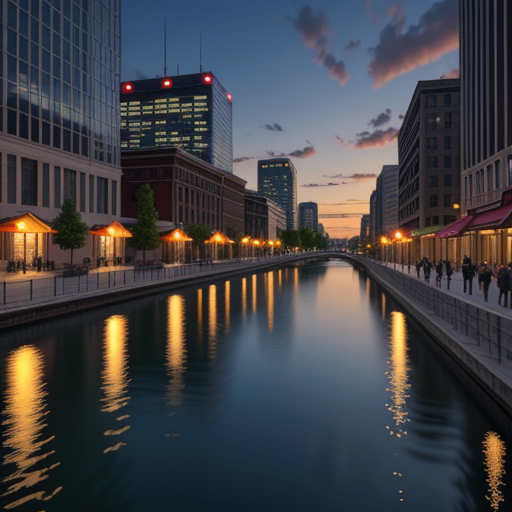
The real estate landscape is experiencing a transformative shift towards sustainability, a trend driven by increasing awareness of environmental issues and the need to reduce carbon footprints. As more homebuyers prioritize green living, developers and real estate professionals must adapt to the demands for sustainable practices in property development. This article delves into the emerging trends and innovations shaping the future of eco-friendly real estate.
As global concerns about climate change escalate, sustainability in real estate is becoming not just a preference, but a necessity. Green building certifications such as LEED (Leadership in Energy and Environmental Design) are becoming benchmarks for sustainable construction, promoting the use of energy-efficient materials and sustainable building practices. Homes that meet these certifications are not only better for the planet but often result in lower utility costs for homeowners.
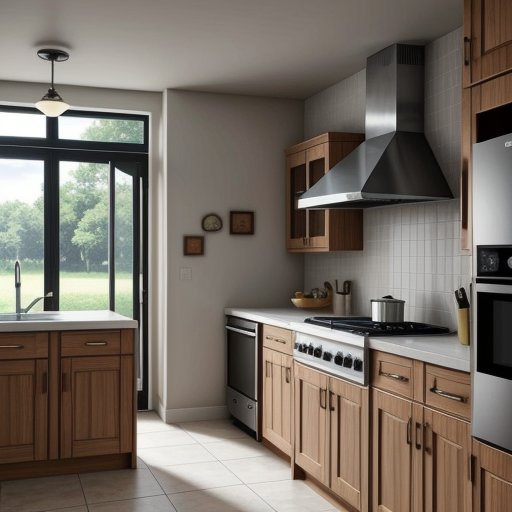
Technological advancements are also playing a pivotal role in the evolution of sustainable real estate. Smart home technologies, including energy-efficient appliances, automated lighting systems, and high-performance insulation solutions, help reduce energy consumption while enhancing comfort and convenience for residents. The integration of renewable energy sources, such as solar panels, further contributes to the reduction of reliance on fossil fuels.
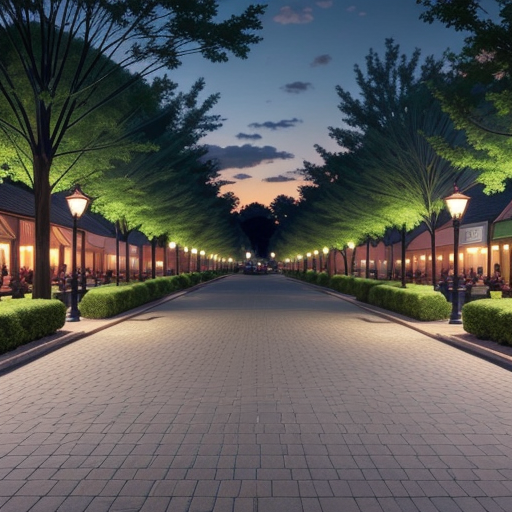
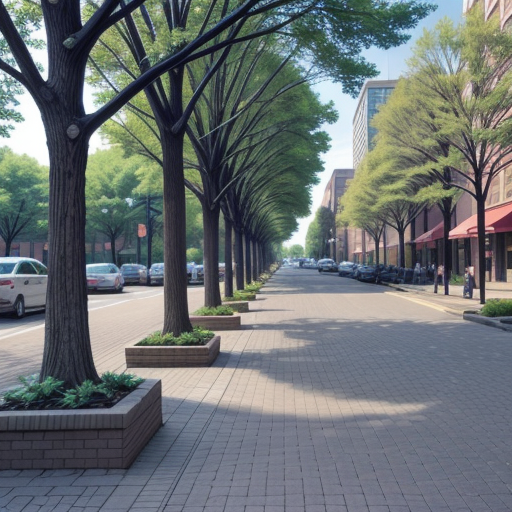
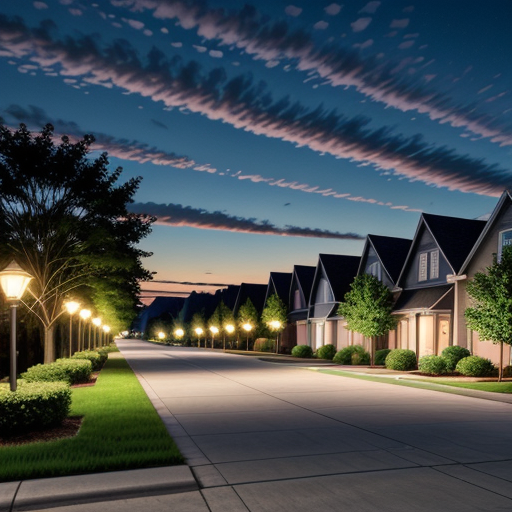
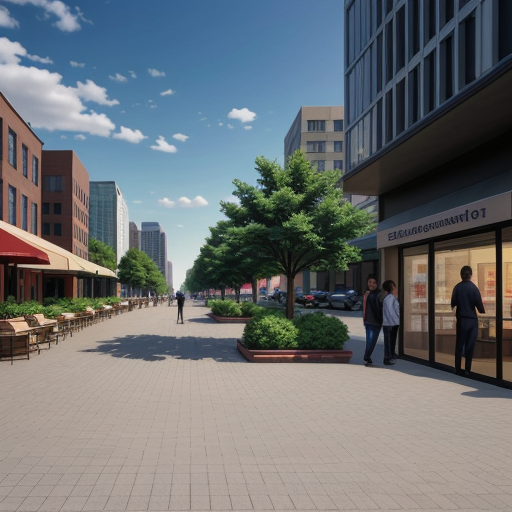
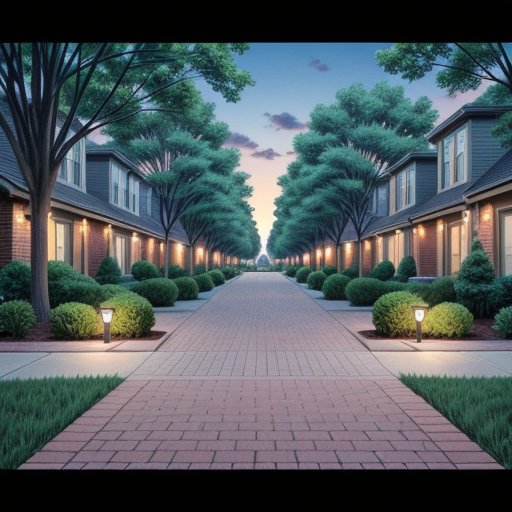
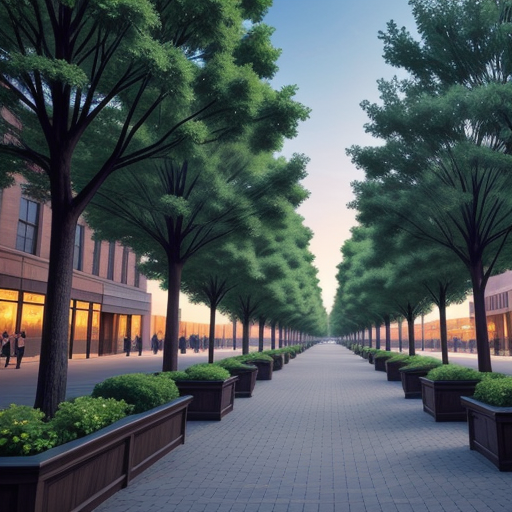
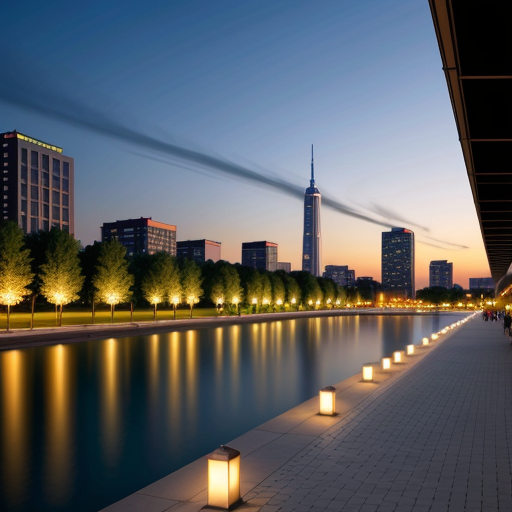
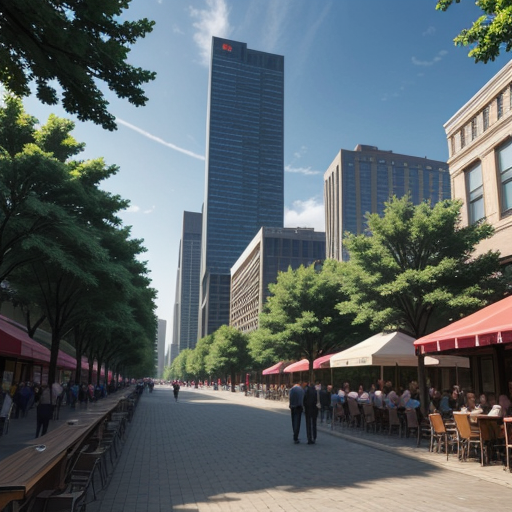
Beyond the technological and design elements, sustainable real estate development increasingly incorporates community-focused elements. Eco-friendly neighborhoods emphasize shared green spaces, enhanced walkability, and public transportation access, encouraging a lifestyle that further reduces carbon footprints.
The financial benefits of investing in sustainable real estate are equally compelling. Green properties often command higher resale values, and incentives such as tax breaks and rebates can make sustainable upgrades more financially viable for homeowners and investors. Moreover, as governments worldwide continue to introduce stricter regulations around building emissions, properties that fail to meet these standards may face devaluation.
In conclusion, the rise of sustainable real estate is reshaping the industry, offering significant environmental, social, and economic benefits. Real estate professionals who embrace these changes are likely to gain a competitive edge in a market increasingly driven by eco-conscious choices. The future of real estate lies in our ability to integrate innovative, sustainable practices that meet the needs of both people and the planet.