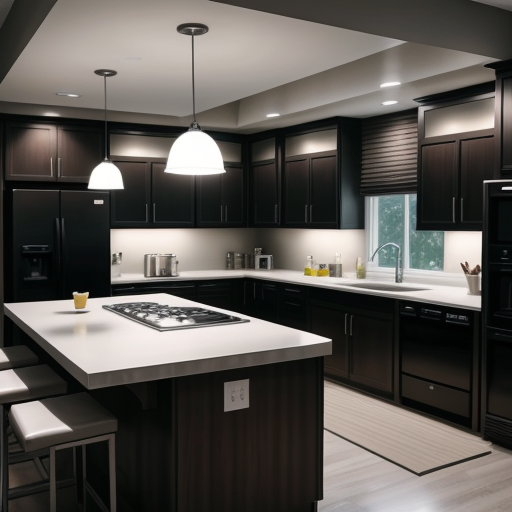
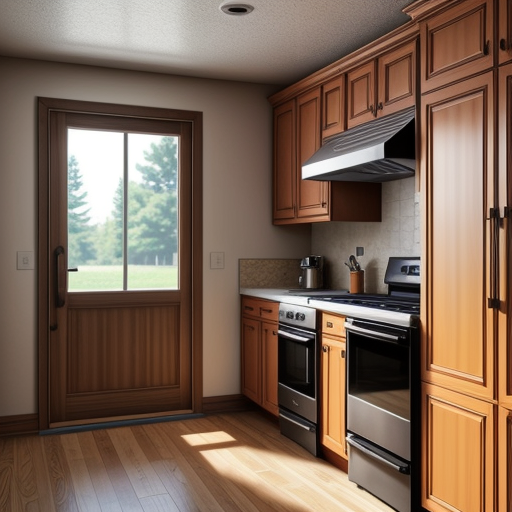
When embarking on a home renovation or construction project, choosing the right contractor is crucial to ensuring the success and satisfaction of the final outcome. A skilled and reliable contractor not only brings your vision to life but also manages timelines, budgets, and quality standards effectively. Here are essential steps to guide you in selecting the ideal contractor for your home project.
1. Define Your Project Requirements Start by comprehensively outlining the scope of your project. Clearly define the work you want done, the materials you wish to use, your budget constraints, and the timeline for completion. A detailed plan serves as the foundation for discussions with potential contractors and ensures that both parties are aligned on expectations from the outset.
2. Research and Gather Recommendations Gather recommendations from friends, family, and colleagues who have undertaken similar projects. Additionally, online platforms and local home improvement stores can provide valuable insights and reviews about local contractors. Compile a list of potential candidates who have a proven track record in handling similar projects.
3. Verify Licenses and Insurance Ensure that the contractors you are considering are fully licensed and insured. A valid license demonstrates a contractor’s credibility and commitment to adhering to industry standards. Additionally, insurance protects you from any liabilities should accidents occur during the project.
4. Request and Compare Bids Invite multiple contractors to view your project site and provide detailed estimates. Scrutinize each bid to understand what is included and ensure every cost component is clearly explained. Beware of unusually low bids, as they may be indicative of compromises on quality or hidden costs that could surface later.
5. Evaluate Experience and Expertise Look for contractors with extensive experience and specialization in the type of work you need. Review their portfolio of previous projects and ask for references from past clients. Direct feedback from homeowners who have worked with them can provide an authentic perspective on their reliability and workmanship.
6. Conduct Interviews and Assess Compatibility Meeting candidates face-to-face allows you to assess their professionalism and communication skills. Discuss project details and gauge whether the contractor understands and shares your vision. Compatibility and clear communication are vital for a successful collaboration.
7. Review the Contract Thoroughly Once you’ve made your choice, ensure that all aspects of the project are documented in a comprehensive contract. This should detail timelines, payment schedules, materials to be used, and any warranties. A clear contract safeguards both parties and provides a framework for resolving any disputes should they arise.
By following these steps, you can feel confident in your decision, mitigating the risks of delays, budget overruns, or unsatisfactory work. Remember, investing time in finding the right contractor will pay off significantly in the execution and quality of your home project.