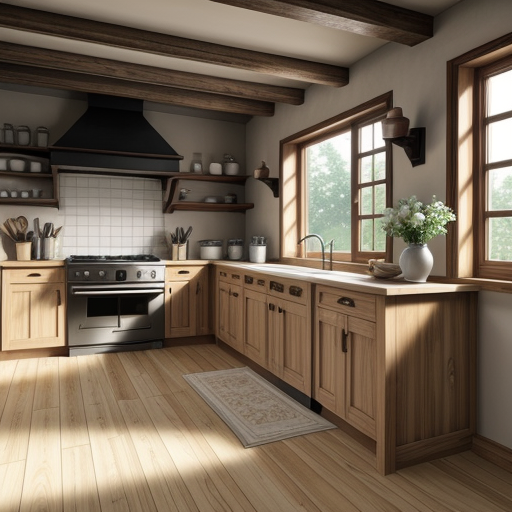
Purchasing a vacation home is a significant financial investment and lifestyle decision. Whether you're seeking a mountain retreat, a beachfront escape, or a countryside cabin, understanding the key considerations can help you make an informed purchase.
Firstly, assess the property's location critically. The location not only determines the purchase price but also affects potential resale value and rental income if you plan to lease it out when not in use. Proximity to amenities, natural attractions, and accessibility from home should weigh heavily in your decision.
Next, evaluate your budget carefully. Beyond the purchase price, factor in additional expenses such as property taxes, insurance, maintenance, and potential HOA fees. A comprehensive budget will ensure your vacation home remains a relaxing getaway rather than a financial burden.
It’s also vital to understand the legal and insurance implications of owning a vacation property. Investigate local zoning laws, short-term rental regulations, and insurance requirements specific to a second home. Consulting with a legal advisor or real estate expert can provide necessary guidance.
Moreover, consider how often you’ll use the property and whether it aligns with your lifestyle. For instance, a home that requires frequent maintenance might not be ideal if you plan to visit only occasionally.
Finally, explore the potential benefits of property management services. These services can handle upkeep, bookings, and guest services, transforming your home into a profitable rental without requiring your constant attention.
In conclusion, purchasing a vacation home requires thoughtful planning and research. By assessing location, budget, legalities, lifestyle fit, and management options, you can make a purchase that brings joy and value in the long term. It's advisable to work with a real estate professional who can provide expert advice and help you navigate the complexities of buying a vacation home.