Increasing your home's energy efficiency is not only beneficial for the environment but can also lead to significant cost savings on utility bills. Home buyers today are particularly interested in energy-efficient features, making it an attractive prospect for homeowners looking to sell. Here are some effective strategies to improve your home's energy efficiency.
1. Upgrade Your Insulation: One of the most impactful ways to enhance energy efficiency is by ensuring your home has adequate insulation. Proper insulation in the attic, walls, and floors reduces the need for heating and cooling, keeping your home comfortable year-round. Consider using insulation materials such as cellulose, fiberglass, or spray foam, depending on your budget and needs.
2. Seal Air Leaks: Drafty windows and doors can significantly impact your home's energy efficiency. Sealing air leaks is a crucial step in preventing energy loss. Use weatherstripping and caulk to close gaps around windows, doors, and other openings, such as electrical outlets and plumbing fixtures. This simple measure can greatly reduce heating and cooling costs.
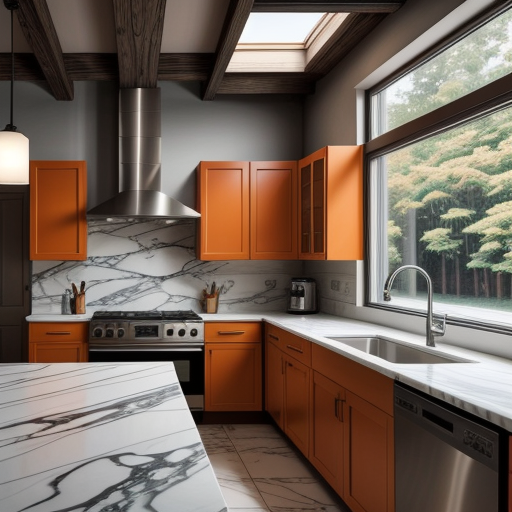
3. Upgrade to Energy-Efficient Windows: Replacing old windows with energy-efficient models can drastically improve your home’s thermal performance. Look for windows with a low U-factor and low solar heat gain coefficient (SHGC). Energy Star-rated windows can help keep your home insulated, reduce your reliance on heating and cooling systems, and increase your home's value.
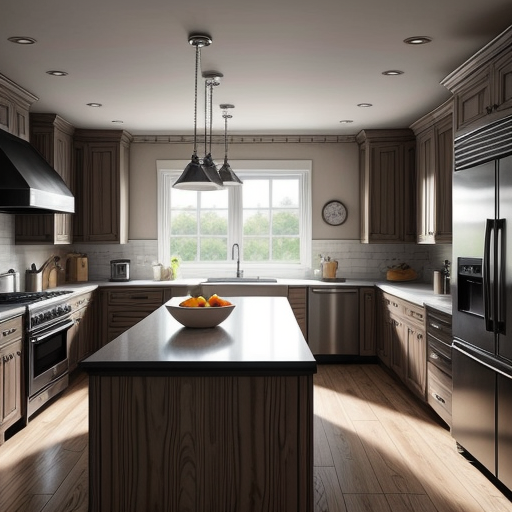
4. Invest in Energy-Efficient Appliances: When it comes time to replace appliances, opt for ENERGY STAR-rated products. These appliances use significantly less energy than their non-rated counterparts, resulting in lower energy bills and reduced environmental impact. From refrigerators to washing machines, investing in energy-efficient appliances pays off both in utility savings and resale value.
5. Consider Renewable Energy Sources: Installing solar panels can be an excellent way to increase your home’s energy efficiency while reducing reliance on traditional energy sources. Solar energy can lower electricity bills and may even qualify you for tax incentives. Research local solar incentives to see how you can benefit while contributing to a more sustainable future.
6. Optimize Heating and Cooling Systems: Ensure your heating, ventilation, and air conditioning (HVAC) system is energy efficient by having it regularly maintained. Consider a programmable or smart thermostat to optimize your home’s temperature, adjusting settings based on your daily schedule. Additionally, upgrading to a higher efficiency HVAC system can lead to substantial long-term savings.
7. Incorporate Smart Home Technology: The rise of smart home technologies can further enhance your home's energy efficiency. Smart lighting systems, smart plugs, and energy monitoring devices can help you track and manage energy consumption more effectively. This allows homeowners to make more informed decisions about their energy use, leading to further savings.
By implementing these strategies, homeowners can significantly increase their home's energy efficiency, catering to environmentally conscious buyers and reducing utility costs in the long run. Not only do these changes provide financial benefits, but they also contribute to a more sustainable lifestyle. So take the steps necessary to make your home a more energy-efficient haven today.