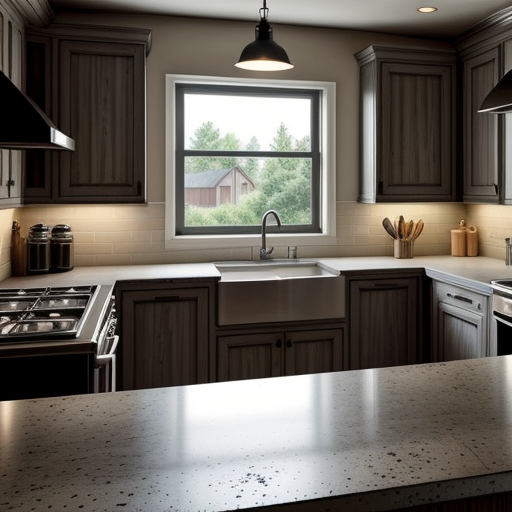
Renovating your home can be an exciting journey, but it requires careful financial planning to ensure that your vision aligns with your financial reality. Crafting a thorough renovation budget is a crucial step that can help prevent unexpected costs and ensure a smooth process from start to finish.
Step 1: Determine Your Scope of Work Before you can establish a budget, it's important to clearly define the scope of your renovation project. Which areas of your home need attention? Are you looking at a simple update, or are you planning for a more extensive remodel? Understanding the specifics will help guide your budget planning.
Step 2: Conduct Cost Research Once you've outlined the scope, research the costs associated with each aspect of the renovation. Consider materials, labor, permits, and any additional fees. Get estimates from multiple contractors to ensure you have a realistic view of what the market expects for similar projects.
Step 3: Establish a Contingency Fund No matter how detailed your plan is, unforeseen expenses can arise. Allocating a contingency fund—typically 10-20% of your total budget—can provide a buffer for unexpected issues, such as structural problems or material shortages.
Step 4: Prioritize Must-Haves and Nice-to-Haves As you refine your budget, differentiate between essential and desirable elements. If costs begin to escalate, knowing which items are must-haves versus nice-to-haves will help you make informed decisions without compromising the integrity of your project.
Step 5: Align with Financial Resources Review your financing options. This includes evaluating personal savings, considering home equity loans, or looking into renovation-specific loans. Ensure that the funding you choose aligns with your financial goals and repayment capabilities.
Step 6: Track and Adjust Budget management doesn’t stop once the renovation begins. Continuously track expenses throughout the project against your planned budget. Be prepared to adjust allocations to stay on track—flexibility can be key to maintaining financial control.
By following these steps, you can create a structured budget that facilitates a smoother renovation process and to make informed decisions along the way. Careful financial planning can help transform your renovation plans from dream to reality without breaking the bank.