Flipping properties for profit has become a popular real estate investment strategy. For those looking to enter this lucrative market, understanding the fundamentals is crucial. This guide will take you through the essential steps of successful property flipping.
1. Research the Market Before diving into property flipping, it's vital to research the local real estate market. Analyze current trends, property values, and neighborhood developments that could affect the potential resale value. Look for areas with rising demand, as these are likely to yield higher returns.
2. Set a Realistic Budget Flipping properties requires a well-planned budget, encompassing not only the purchase price but also renovation costs, taxes, and fees. Be thorough in your calculations, and leave room for unexpected expenses. Establishing a budget ensures you’re financially prepared to take on this project.
3. Find the Right Property Successful flippers typically look for properties that need cosmetic fixes rather than significant structural repairs. Look for homes in desirable locations, with good bones but needing updates like kitchen remodels or fresh paint. The right property will yield the highest potential profit.
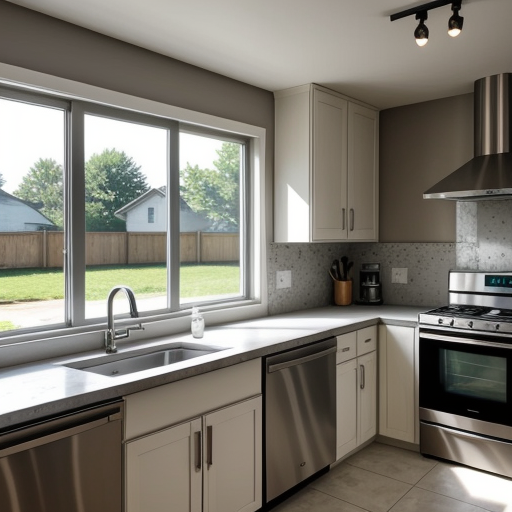
4. Plan Your Renovations Once you’ve purchased a property, it’s time to plan renovations. Prioritize projects that will give you the highest return on investment, such as updating kitchens and bathrooms. Avoid personalizing the space; instead, design it to appeal to a broad audience of potential buyers.
5. Understand the Timeline Time management is crucial in property flipping. The longer you hold onto a property, the more costs you incur. Create a timeline for your renovations and stick to it. This helps to keep your project on schedule and can significantly affect your profitability.
6. Market the Property Once renovations are complete, it's time to market your property. Utilize effective online listings with vibrant photos and engaging descriptions. Network with local real estate agents who can help disseminate information about your property. Hosting open houses can also increase visibility and attract potential buyers.
7. Understand the Sales Process When you receive offers, be prepared to negotiate. Understand the current market conditions to ensure you’re getting the best price for your property. A real estate agent experienced in your area can greatly assist in facilitating this process and maximizing your return.
Conclusion Flipping properties can be a rewarding venture when approached with the right knowledge and planning. By researching the market, budgeting wisely, selecting the right property, and executing effective renovations, you can maximize your profits. Keep honing your strategies, and with time, you may become a successful property flipper in your region.