A Comprehensive Guide to Successfully Flipping a House
Flipping a house can be a lucrative endeavor, but it requires careful planning, strategic decision-making, and a solid understanding of the real estate market. For those looking to enter the world of house flipping, knowing the essential steps can make all the difference between a profitable venture and a financial setback.
1. Understanding the Real Estate Market
Before diving into the flipping process, it’s crucial to understand the local real estate market. Research recent sales in the area to identify trends, such as average days on the market and property values. This information will help you determine the best neighborhoods to target and the types of homes that are in high demand.
2. Setting a Budget
Establishing a budget is a vital step in flipping a house. Factor in the purchase price, renovation costs, holding costs (such as property taxes and insurance), and a buffer for unexpected expenses. Stick to this budget to avoid financial pitfalls that can occur during the renovations.
3. Choosing the Right Property
Selecting the right property is crucial for a successful flip. Look for homes that are structurally sound but may need cosmetic updates. Foreclosures, short sales, and distressed properties can offer great opportunities for significant profit margins. Consider the potential return on investment (ROI) before making an offer.
4. Planning Renovations Wisely
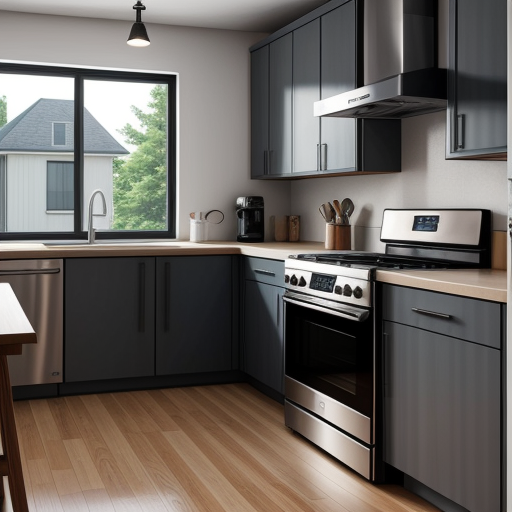
Once you've acquired the property, prioritizing renovations is essential. Focus on high-impact areas that increase value, such as kitchens and bathrooms. Ensure that all updates align with the preferences of prospective buyers in the market. Hiring experienced contractors can help streamline the renovation process and ensure quality work.
5. Staging and Marketing the Property
After the renovations are complete, staging the home can make a significant difference in attracting buyers. Consider professional staging services to enhance the home’s appeal. Additionally, effective marketing strategies, including high-quality photos and virtual tours, are essential for showcasing the property to a wide audience.
6. Pricing Your Home Correctly
Determining the right listing price is crucial to attracting buyers quickly. Work with a real estate agent who has a deep understanding of the local market. They can provide insights on comparable home sales, helping you set a competitive price that maximizes your return.
7. Negotiating the Sale
Once you receive offers, be prepared to negotiate. Understand the strengths and weaknesses of your property to effectively counter any offers. Having a real estate agent who is skilled in negotiation can significantly improve your chances of closing the deal at a favorable price.
Conclusion
Successfully flipping a house is no small feat, but with the right knowledge and preparation, it can lead to substantial financial gains. By understanding the market, budgeting effectively, choosing the right property, and executing a solid marketing strategy, you can increase your chances of success in the competitive world of house flipping. Remember, every flip is a learning experience, so take the lessons learned into future projects for continued success.