Renovating your home can be an exciting yet daunting endeavor. One of the most critical steps in this process is creating a comprehensive budget that aligns with your renovation goals while avoiding any financial pitfalls. In this article, we’ll walk you through essential steps to develop a budget for your home renovation, ensuring you are well-prepared from the start.
Define Your Renovation Goals Before diving into the numbers, take time to define your specific renovation goals. Are you looking to increase your home’s resale value, enhance your living space, or modernize certain aspects of your home? Knowing what you want to achieve will guide your budgeting decisions.
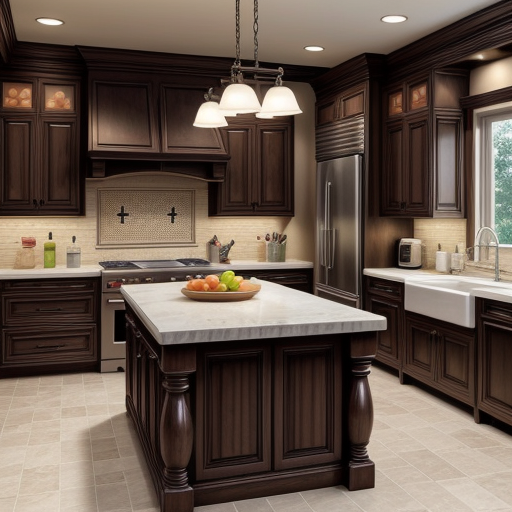
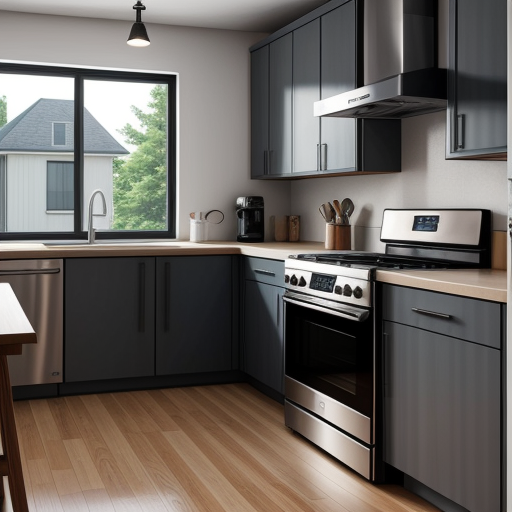
Conduct Research and Gather Estimates Start by conducting research on the average costs associated with the type of renovation you are planning. Whether you're updating your kitchen, adding a new bathroom, or finishing your basement, you will find a range of cost estimates depending on the scope and quality of the work. Consult with multiple contractors to gather quotes and gain a better understanding of what your project might entail financially.
Create a Detailed Budget Breakdown Once you have collected the necessary information, begin creating a detailed budget. Break down your costs into categories such as materials, labor, permits, and unexpected expenses. Allocate a percentage of your total budget to cover contingencies, which typically should be about 10-20% of the overall project cost. This buffer will help mitigate any unforeseen issues that may arise during the renovation process.
Prioritize Your Renovations In some cases, you may have a long list of desired improvements, but your budget may not permit you to accomplish them all at once. Prioritize your renovations based on urgency and impact. Focus on high-impact areas that will either enhance functionality or significantly improve your home’s value first. This strategy not only helps in budgeting but also in executing renovations in phases if needed.
Track Expenses Throughout the Renovation As you move forward with your renovation project, be diligent about tracking all your expenses. Use budgeting tools or simply a spreadsheet to keep a record of costs incurred. This will allow you to stay on track financially and make adjustments as needed if you start to drift away from your original budget.
Review and Adjust Your Budget Finally, regularly review your budget throughout the renovation process. It’s important to be flexible and make adjustments when necessary. If you find that certain areas are exceeding your budget, consider whether you can cut costs in other areas without compromising on quality.
Conclusion Creating a budget for your renovation is a crucial step that can significantly impact the success of your project. By carefully planning your goals, researching costs, and being diligent about your finances, you can ensure that your home renovation is a rewarding investment rather than a financial burden. Happy renovating!