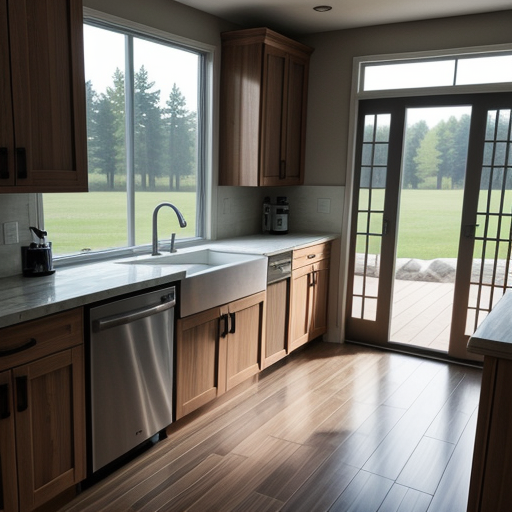
Renovating your home can be an exciting endeavor, but it’s vital to approach it with a clear understanding of your financial limits. Crafting a well-thought-out budget is the backbone of any successful renovation project. Here are the essential steps to creating a thorough renovation budget that will keep your project on track and within your means.
1. Define Your Renovation Goals
Before you dive into budgeting, outline what you want to achieve with your renovation. Are you looking to enhance aesthetics, improve functionality, or increase property value? Identifying the purpose of your renovation will help you determine where to allocate funds effectively.
2. Research Costs
Once your goals are set, research the costs associated with each aspect of your renovation. This includes materials, labor, permits, and any unforeseen expenses that may arise. Websites, home improvement stores, and contractor quotes can provide valuable insights into current market prices. Create a list of essential and optional updates to prioritize spending.
3. Set a Contingency Fund
Unexpected costs can arise during renovations, which is why setting aside a contingency fund is crucial. A common recommendation is to allocate 10-20% of your total budget for unforeseen issues, such as structural repairs or modifications that arise during the renovation process. This safety net will help alleviate financial stress if complications occur.
4. Break Down Your Budget
It’s helpful to break your renovation budget into categories, such as design, materials, labor, and post-project expenses. This not only gives you a clearer view of where your money is going but also allows for easier adjustments if you find you need to cut costs in one area to fund another. Use a spreadsheet or budgeting tool to keep everything organized.
5. Research Financing Options
If your renovation costs exceed your available funds, research potential financing options. Home equity loans, personal loans, or credit lines may be suitable for your needs. Understanding the terms and potential implications of each financing option allows you to make the best decision for your financial situation.
6. Track Your Spending
As your renovation progresses, regularly monitor your spending against the budget. Keeping receipts and documenting expenses will help you ensure you’re on track. If you find you are exceeding your planned expenditures, consider reevaluating certain aspects of your project or making adjustments to future spending.
7. Review and Adjust
Lastly, don’t hesitate to review and adjust your budget as needed. Home renovations can be unpredictable, and being flexible with your budget will help you accommodate any necessary changes while still achieving your desired outcome.
In conclusion, effective budgeting is the foundation for a successful home renovation. By clearly defining your goals, researching costs, and tracking your expenses, you can create a budget that supports your vision while keeping your finances in check. Happy renovating!