Successful House Flipping: A Comprehensive Guide
Flipping houses has become a popular venture for many aspiring real estate investors. However, turning a profit in this competitive market requires thorough preparation, strategic planning, and a keen understanding of the housing landscape. In this guide, we will explore essential steps to ensure your house flipping endeavor is successful.
1. Research the Market
Before diving into a house flip, it’s crucial to conduct extensive market research. Analyze the neighborhoods where you plan to invest. Look for areas with rising property values, good schools, and access to amenities. Understanding current real estate trends will help you choose properties that are likely to appreciate in value.
2. Set a Realistic Budget
Establishing a realistic budget is paramount. Include purchase price, renovation costs, taxes, insurance, and closing costs in your calculations. It’s wise to set aside a contingency fund to cover unexpected expenses. Remember to factor in your timeline for the project, as holding costs can accumulate quickly.
3. Find the Right Property
Not every property is a good candidate for flipping. Look for distressed properties that you can buy below market value. Properties needing cosmetic renovations, such as new paint or flooring, can often be transformed without extensive structural work. Hiring a real estate agent with experience in house flipping can provide valuable insights.
4. Plan Your Renovations Wisely
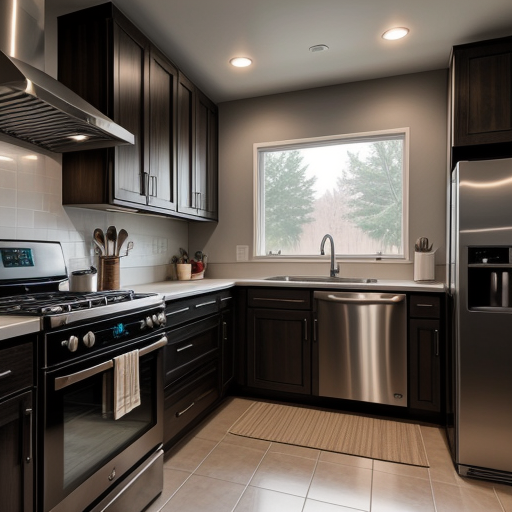
When it comes to renovations, prioritize projects that will yield a high return on investment (ROI). Focus on kitchens and bathrooms, as these areas significantly impact home value. Opt for quality materials that don’t break the bank. It’s essential to balance aesthetic upgrades with functional improvements.
5. Know When to Sell
Timing is everything in real estate. Monitor the market closely, and when you feel it’s the right moment, list your property. Work with real estate agents who know the local market to help price your home competitively. Don’t let emotion steer your decisions—stay objective and base your actions on data.
6. Market Effectively
Successful marketing can make a significant difference in how quickly a property sells. Utilize professional photography to showcase the home’s best features, and consider staging the property to help potential buyers envision themselves living there. Leverage social media and real estate platforms to reach a wider audience.
7. Learn from Each Flip
Every house flipping project offers unique lessons. Keep detailed records of your expenses, timelines, and outcomes. Analyzing what worked and what didn’t will equip you with knowledge for future flips. Continuous learning is key in this ever-evolving market.
Flipping houses can be a lucrative investment opportunity if approached with diligence and strategy. By researching the market, setting a realistic budget, finding the right property, planning renovations carefully, and marketing effectively, you can pave your way to success in the house flipping business.