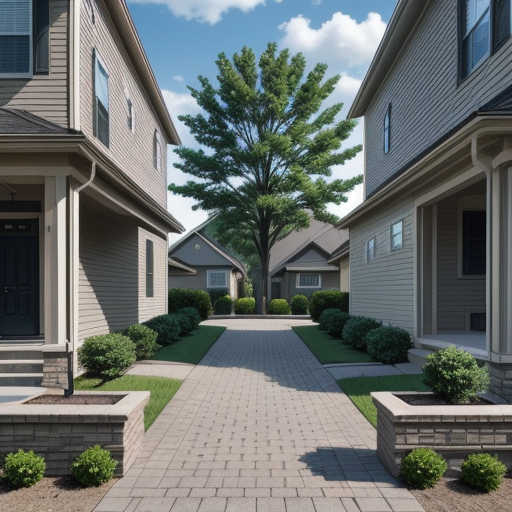
Creating a sustainable property management plan is essential for modern landlords who aim to balance profitability with environmental responsibility. A well-structured plan not only enhances tenant satisfaction but also elevates the property's value in an increasingly eco-conscious market. Here are several key components to consider when developing this strategy.
1. Assess Current Operations
The first step toward a sustainable management plan is evaluating your current operations. Identify areas where you can implement energy-efficient systems, reduce waste, and improve resource management. This could involve conducting audits on energy consumption, water usage, and waste disposal practices across the property.
2. Embrace Energy Efficiency
Integrating energy-efficient appliances and systems into your property can significantly reduce operating costs. Consider upgrading to Energy Star-rated appliances, installing smart thermostats, and investing in solar panels. These upgrades can lower energy bills and appeal to prospective tenants who prioritize sustainability.
3. Promote Water Conservation
Water management is another crucial aspect of a sustainable property management plan. To encourage conservation, install low-flow fixtures, use water-efficient irrigation systems for landscaping, and regularly check for leaks. These measures can help minimize water waste and lower utility costs for both property managers and tenants.
4. Implement Waste Reduction Strategies
Establishing effective recycling and waste reduction programs is vital in managing a sustainable property. Provide clearly marked recycling bins, encourage composting, and educate tenants about proper disposal practices. These initiatives can foster a sense of community and responsibility among tenants, promoting environmentally friendly practices.
5. Source Sustainable Materials
When it comes to renovations or new construction, prioritize sourcing sustainable and eco-friendly materials. This includes recycled materials, non-toxic paints, and sustainably harvested wood. Not only does this minimize your property's environmental footprint, but it also showcases your commitment to sustainability, appealing to environmentally conscious tenants.
6. Develop Green Landscaping Practices
Landscaping can play a significant role in sustainability. Opt for native plants that require less water and maintenance, use organic fertilizers, and establish compost areas. Eco-friendly landscaping reduces resource consumption and enhances the overall aesthetic of the property, making it more attractive to potential tenants.
7. Educate Tenants and Staff
Creating awareness about sustainability among tenants and staff is critical for the success of your property management plan. Host workshops, distribute informational materials, or use newsletters to educate them about your initiatives. When tenants are informed about sustainable practices, they are more likely to participate and contribute positively to the environment.
Conclusion
Developing a sustainable property management plan is a proactive approach that benefits landlords, tenants, and the environment alike. By implementing energy efficiency measures, promoting water conservation, and educating stakeholders, property managers can create a thriving, sustainable community. This commitment not only boosts the value of the property but also aligns with the growing demand for eco-friendly living spaces in today’s market.