Flipping houses has become a popular method for real estate investment, but success in this endeavor requires more than just enthusiasm. To truly thrive in the house flipping market, it's crucial to implement a strategic approach that encompasses several vital aspects. In this guide, we'll cover the essential steps to flip a house successfully, from identifying potential properties to finalizing a sale.
First and foremost, thorough research is imperative. Before diving into any real estate deal, familiarize yourself with the local market trends. Understand the areas where homes are in high demand, and the characteristics that buyers seek. This knowledge will not only aid in finding the right property but will also help you make informed decisions throughout the flipping process.
Once you have a solid understanding of the market, the next step is to find a suitable property. Look for houses that are undervalued, in need of minor renovations, or in desirable neighborhoods. Distressed properties can often be purchased at lower prices, but assessment is key to ensuring the renovation costs do not outweigh potential profits.
Financing your flip is another crucial element. Explore different funding options, including traditional mortgages, hard money loans, or partnerships. Be mindful of your budget and ensure you account for all costs involved, such as purchase price, renovation expenses, and unexpected repairs.
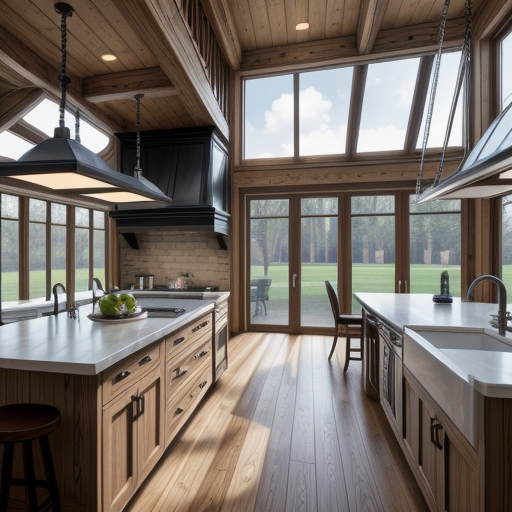
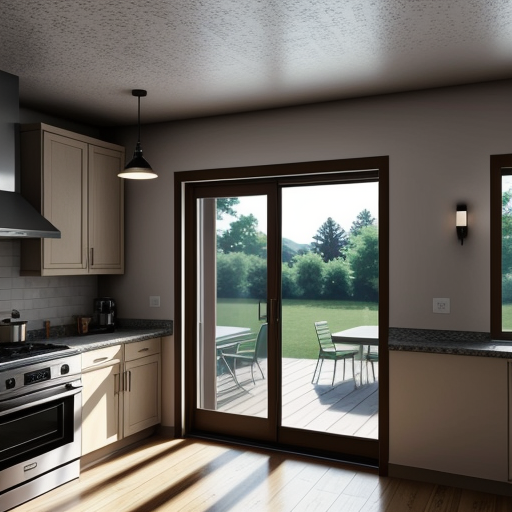
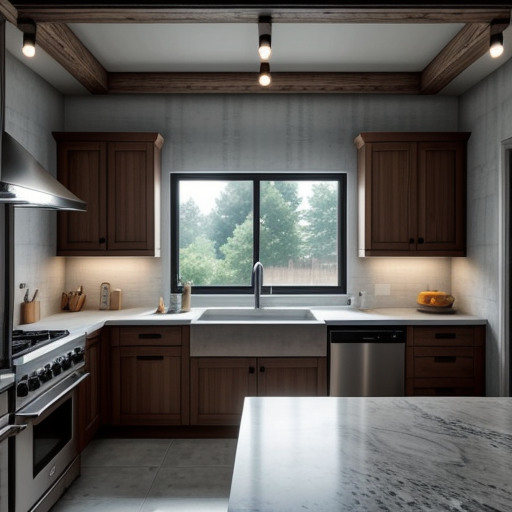
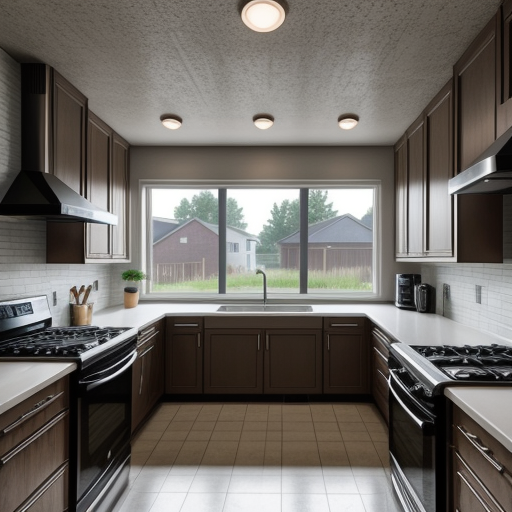
When it comes to renovations, having a well-thought-out plan is essential. Focus on improvements that will provide the highest return on investment, such as kitchen and bathroom upgrades, enhancing curb appeal, and making necessary repairs. It’s also advisable to hire reputable contractors to ensure the quality of work aligns with market standards.
Additionally, timing is vital in house flipping. Understanding the seasonal trends in your area can help you optimize your selling strategy. Aim to have renovations completed during peak buying seasons to attract more potential buyers and potentially drive up the selling price.
Finally, once the renovations are complete, the next step is effectively marketing your property. Utilize high-quality photographs and compelling descriptions to attract interest. Consider staging the home to highlight its potential, and collaborate with a knowledgeable real estate agent who can provide valuable insights and marketing strategies.
In conclusion, successfully flipping a house requires diligence, planning, and an understanding of market dynamics. By conducting thorough research, managing finances wisely, focusing on impactful renovations, and employing effective marketing techniques, you can achieve your goal of a profitable house flip. Embrace the process, and you may find that flipping houses can be not only lucrative but also a rewarding venture in the real estate industry.