When purchasing a home, it is crucial not only to think about your current needs but also to consider its potential resale value. A home's resale value can significantly impact your financial future, so evaluating it thoroughly is essential. Here are several key factors to help you assess a home's resale value effectively.
Location, Location, Location The age-old real estate mantra holds true; location is one of the most critical determinants of a property's resale value. Research the neighborhood's overall appeal, including proximity to schools, shopping centers, public transportation, and parks. Areas undergoing revitalization or development tend to show promising future appreciation, making it a smart investment.
Market Trends Understanding current market trends in your desired area can provide insight into how property values are changing. Look for indicators such as the average home sales price, the speed of sales, and the inventory levels. A low inventory paired with high demand usually signifies a seller's market, which is good for resale values.
Home Condition A home's condition directly impacts its resale value. Key elements to evaluate include the roof's age, plumbing and electrical systems, and overall structural integrity. Homes that are well-maintained and free of major repairs often fetch higher prices. Consider hiring a professional home inspector to provide an objective assessment of the property's condition.
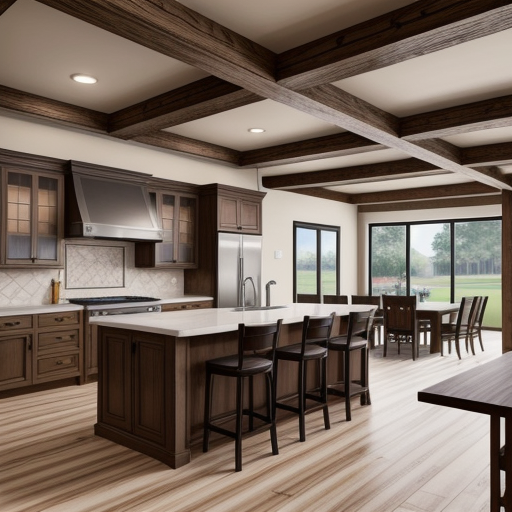
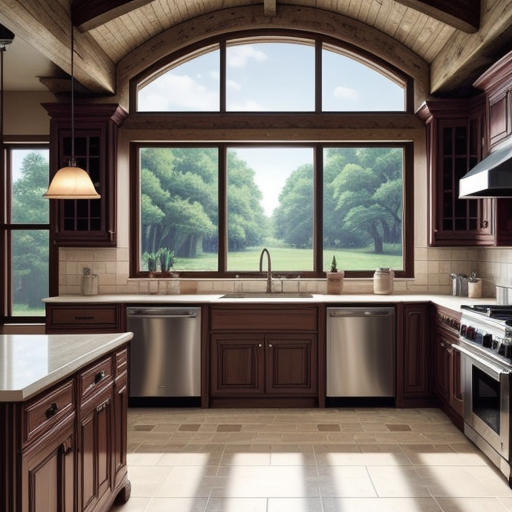
Amenities and Improvements Assessing additional features and improvements can also play a significant role in a home's resale value. Factors like modern appliances, energy-efficient upgrades, and outdoor living spaces can enhance a property's marketability. Additionally, homes in desirable communities with access to amenities such as pools, gyms, and walking trails can command higher resale prices.
Comparable Sales Investigating recent sales of comparable homes in the area (often called "comps") can give you a clear picture of what buyers are willing to pay. Look for homes similar in size, style, and condition, and take note of their selling prices. This data can help you gauge the potential resale value of the home you are considering.
Future Development Keeping an eye on potential future developments in the area can provide insights into possible increases in resale value. New commercial developments, schools, and infrastructure projects can enhance an area’s desirability and, consequently, increase property values over time.
Market Demand Economic factors, interest rates, and employment opportunities can affect buyer demand in the housing market. A strong economy tends to lead to increased demand for homes, driving up their resale values. Staying informed about local economic conditions can help you predict future trends.
Local Regulations and Zoning Laws Be aware of local zoning laws and regulations, as these can have a significant influence on a property's value. Restrictions on property modifications or changes in zoning from residential to commercial can impact the potential resale value. Researching the local government's plans can provide insight into future developments that may affect home values in your area.
In summary, evaluating a home’s resale value requires a comprehensive analysis of various factors, including location, market trends, home condition, and future developments. By considering these vital aspects, you can make a well-informed decision that not only satisfies your current needs but also secures your financial future. Always consult with a real estate professional for personalized insights and guidance tailored to your situation.