When purchasing a home, one vital aspect that often goes overlooked is its potential resale value. Understanding how to evaluate a home's resale value can not only guide your buying decision but also maximize your investment over time. Here are some critical factors to consider when assessing a home’s future marketability.
1. Location, Location, Location
The importance of location cannot be overstated in real estate. Homes in desirable neighborhoods, close to schools, parks, and amenities, typically appreciate more in value. Research the area's crime rates, school district ratings, and future developments. Proximity to public transportation and shopping can also positively impact resale attractiveness.
2. Market Trends
Stay informed about the current real estate market trends in your intended area. Analyze past sales data, recent listings, and how long homes are staying on the market. Understanding whether you are in a buyers’ or sellers’ market can give you insight into how much you can expect your home to appreciate over time.
3. Home Condition and Upgrades
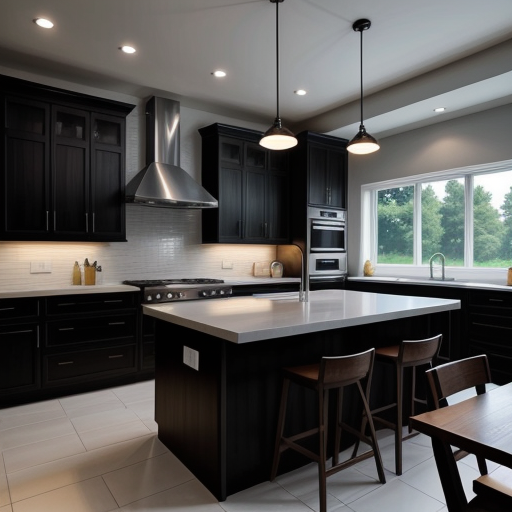
The state of the home significantly influences its resale value. A well-maintained property with modern upgrades—such as energy-efficient systems, new appliances, or updated bathrooms—will generally command a higher resale price than a similar home in need of repairs. Before purchasing, consider the costs of renovations and their potential return on investment.
4. Comparable Sales (Comps)
Evaluate similar homes (comps) in the neighborhood that have sold recently to understand the market value. Look for homes with similar square footage, lot sizes, and features. This data can provide a realistic benchmark for what you might expect to sell your home for in the future.
5. Future Developments
Pay attention to any upcoming developments in the area, such as new schools, parks, or commercial projects. Infrastructure improvements, such as new roads or public transit options, can enhance a neighborhood's desirability and drive up property values. Being aware of these developments can guide your investment decisions.
6. Economic Factors
The broader economic climate also affects real estate prices. Factors such as interest rates, unemployment rates, and economic growth in the region can influence buyer demand and home prices. Keeping an eye on economic indicators can help you anticipate trends that may impact resale value.
Conclusion
Evaluating a home’s resale value is a multifaceted process that requires careful attention to various factors. By considering location, market trends, home condition, comparable sales, future developments, and economic factors, you can make a more informed purchasing decision. A sound investment now can lead to significant returns down the road, ultimately maximizing your real estate portfolio.
For more real estate advice and home-buying tips, subscribe to our blog.