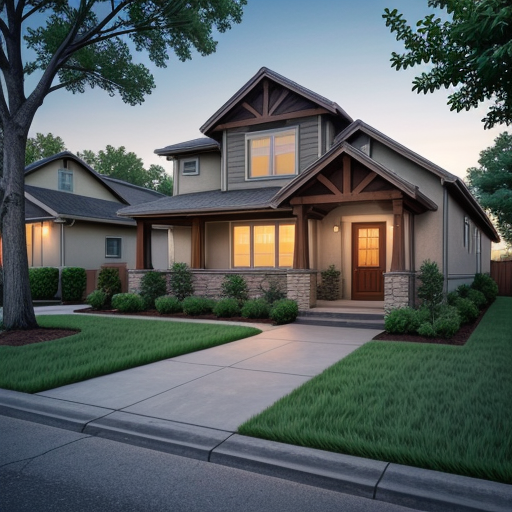
Creating a comprehensive home maintenance schedule is essential for every homeowner. This proactive approach can save you money, time, and stress in the long run. A well-structured maintenance schedule not only helps preserve your home's value but also ensures a safe and comfortable living environment.
Start by identifying all the key areas of your home that require regular upkeep. Focus on categories such as exterior maintenance, interior maintenance, and seasonal tasks. For example, exterior tasks might include yard maintenance, roof inspections, and gutter cleaning. Interior maintenance could cover tasks like changing air filters, checking smoke detector batteries, and deep cleaning carpets.
Once you categorize your tasks, create a timeline that outlines how often each task should be performed. Some tasks, like changing air filters, may need to be done monthly, while yard maintenance may be seasonal, occurring several times a year. Consider using a calendar or digital scheduling app to organize these tasks in an easy-to-follow plan.
Incorporating seasonal maintenance tasks is crucial as these often align with changes in weather. For instance, it's wise to inspect heating systems in the fall and prepare cooling systems in the spring. A thorough inspection of windows and doors for drafts can also significantly improve energy efficiency.
Don’t forget about the importance of documenting your maintenance activities. Keep a log of completed tasks, including dates and any repairs made. This information can be invaluable for maintaining a solid record of upkeep, which can be a great asset if you decide to sell your home in the future.
Finally, remember that consistency is key. Sticking to your maintenance schedule will prevent minor issues from escalating into costly repairs and help you appreciate your home to the fullest. By developing a home maintenance schedule, you’ll ensure your property remains in peak condition and provide a safer, more enjoyable environment for years to come.