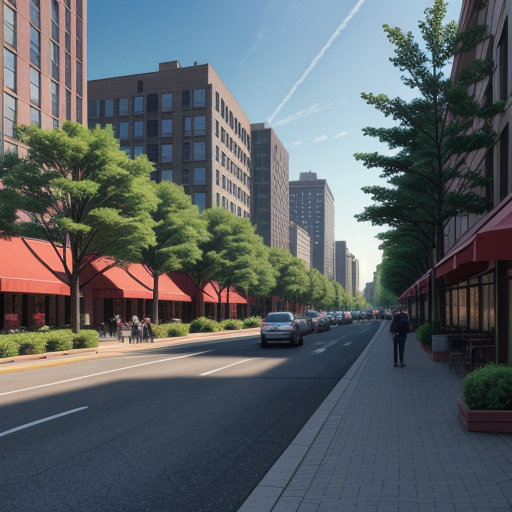
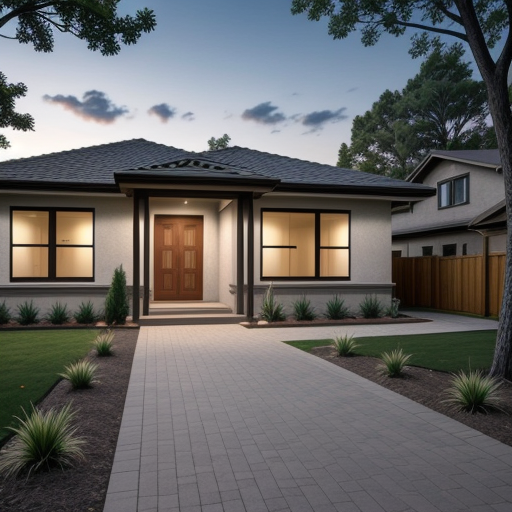
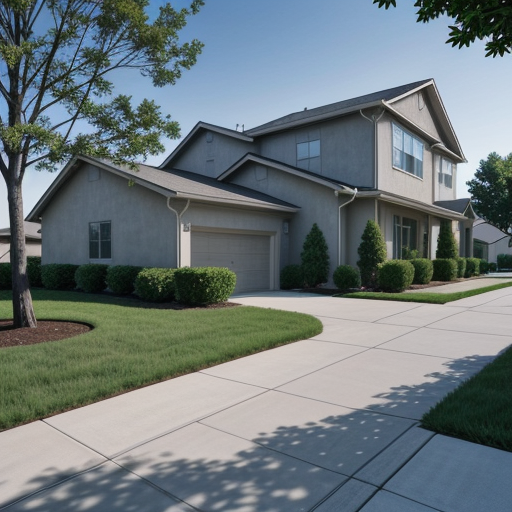
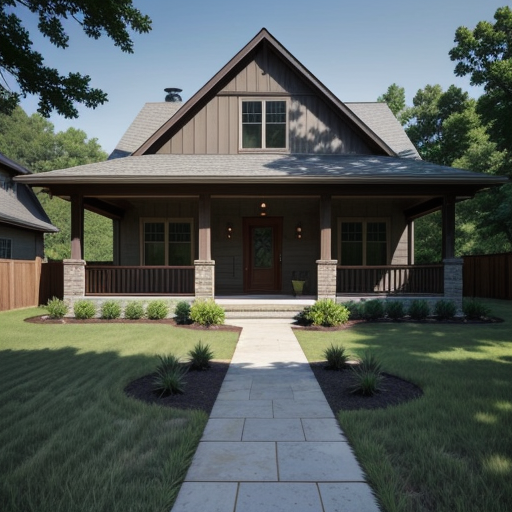
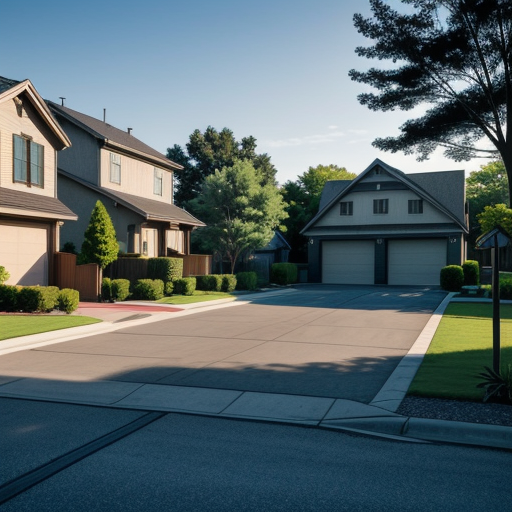
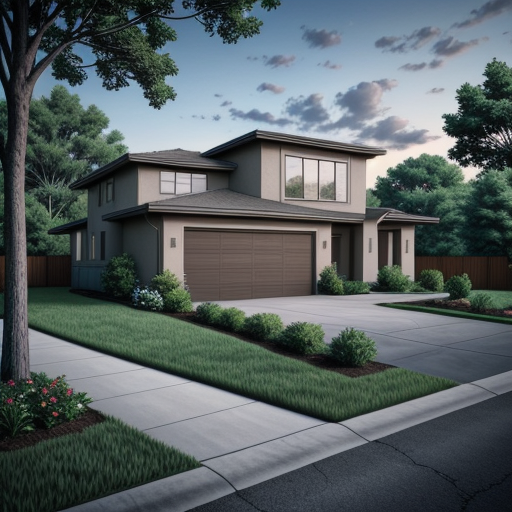
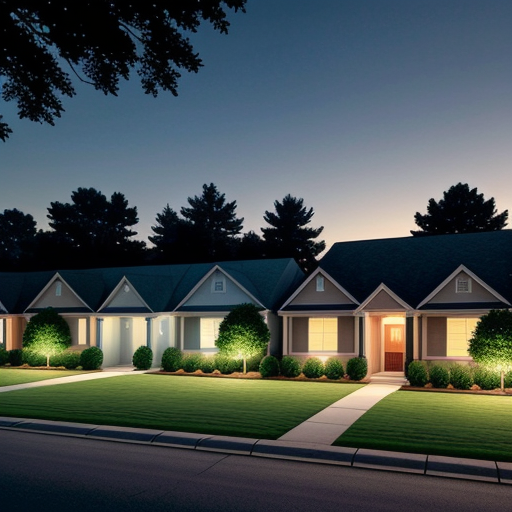
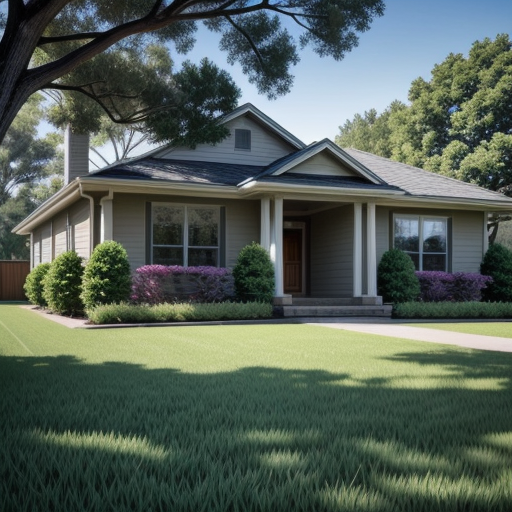
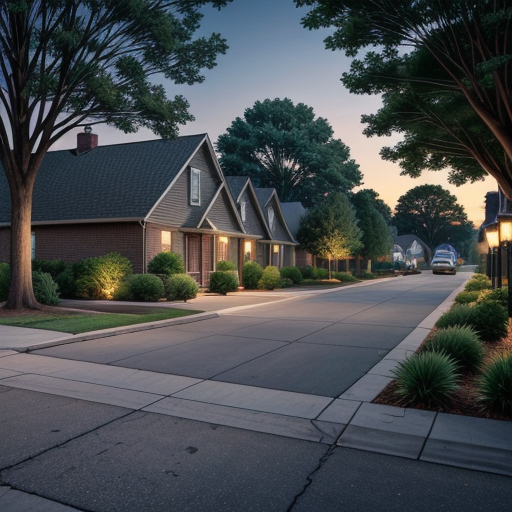
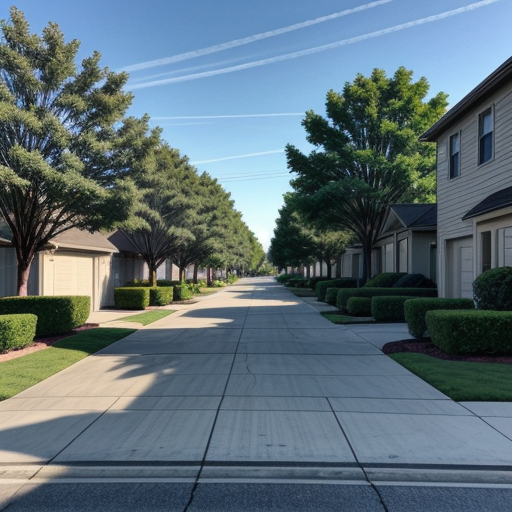
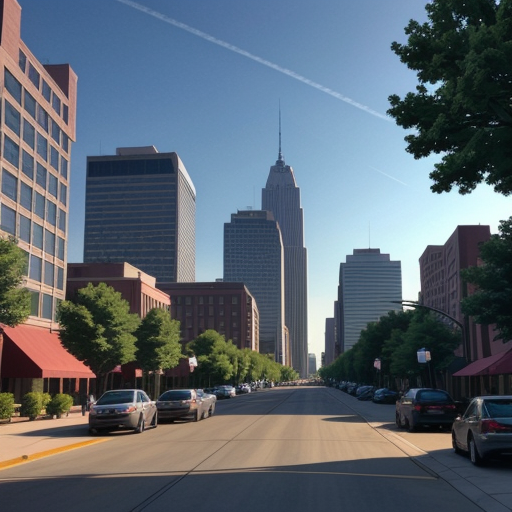
In the dynamic world of real estate, the impact of new developments on home values is a critical topic for both homebuyers and investors. Understanding this relationship can empower you with the knowledge needed to make informed decisions in your property journey.
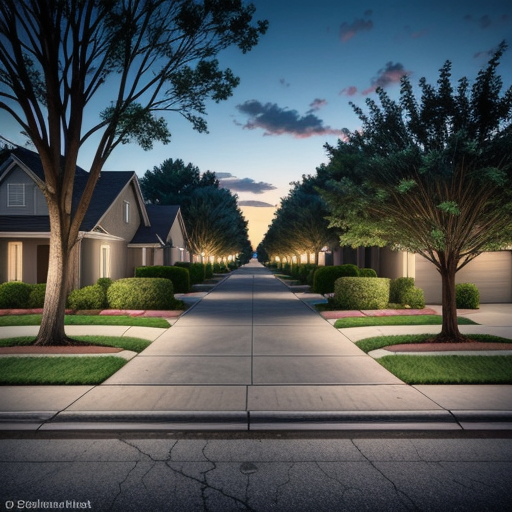
New developments, whether they are residential communities, commercial centers, or infrastructure projects, can significantly influence the real estate market in their vicinity. One of the primary effects is the improvement in local amenities. When new shopping centers, parks, schools, or recreational facilities are built, they often enhance the attractiveness of the neighborhood, thereby increasing demand for homes in the area.
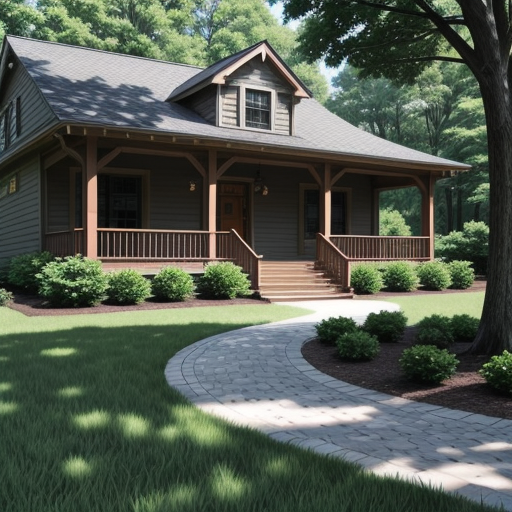
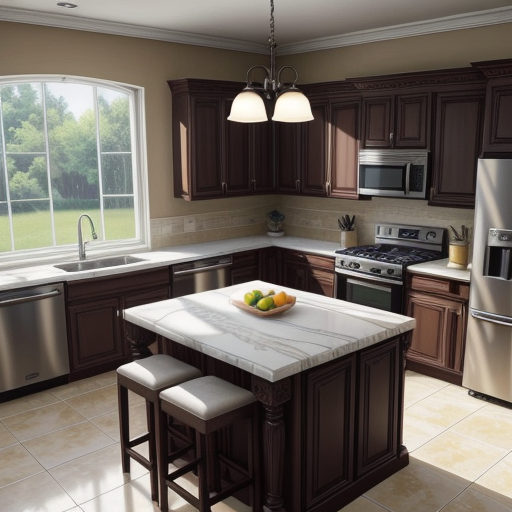
Moreover, the introduction of modern housing options often caters to the preferences of today’s buyers. New homes typically feature contemporary designs, energy-efficient systems, and the latest technology, making them highly desirable. This can lead to a rise in property values as buyers compete for these newly constructed homes, driving up prices.
New developments also play a pivotal role in shaping the perception of a neighborhood. When investors and developers choose to invest in an area, it often signifies their confidence in that location's growth potential. As a result, existing homeowners may find their property values increasing simply due to the surrounding development, even if their homes remain unchanged.
Additionally, infrastructure improvements, such as new transit lines, widened roads, or upgraded utilities, can have a remarkable impact on property values. Improved accessibility and reduced commute times enhance the overall desirability of an area, making homes there more attractive to potential buyers.
It is important, however, to consider the potential downsides of new developments, especially in terms of market saturation. If too many homes are built in a short period, it could lead to an oversupply, which may depress values in the long term. Therefore, both potential buyers and existing homeowners should analyze development plans carefully and consider their long-term implications on home values.
In conclusion, new developments have a multifaceted impact on home values. From enhancing local amenities to shaping perceptions, the integration of new construction into neighborhoods can drive demand and elevate property prices. Homebuyers should stay informed about upcoming developments in their desired areas, as these factors can significantly affect their investment. By understanding these dynamics, buyers can make more strategic decisions in the ever-evolving real estate market.