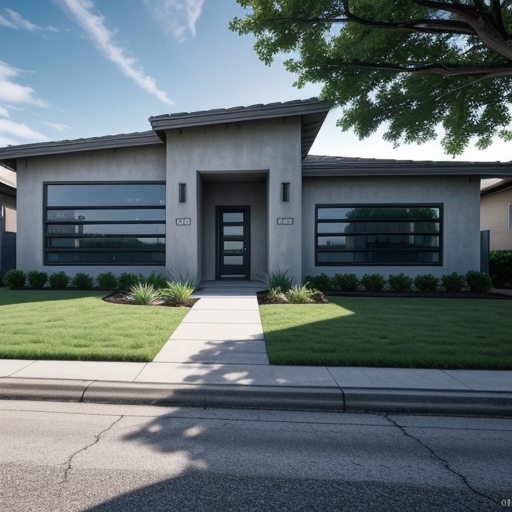
In recent years, the construction industry has faced a myriad of challenges, one of the most significant being the impact of tariffs. Tariffs are taxes imposed on imported goods, and they can have a profound effect on the materials used in construction, thereby influencing the profit margins of construction companies. This article explores the ways in which tariffs have reshaped the construction landscape, and what it means for homebuyers and the overall real estate market.
Tariffs can lead to increased costs for construction firms, as many essential materials, such as steel and aluminum, are often imported. When tariffs are imposed, the prices of these materials tend to rise, directly affecting the overall project costs. Construction companies may find their profit margins squeezed as they grapple with the decision to absorb these costs or pass them on to clients. This situation can lead to higher prices for homebuyers, further complicating an already complex real estate market.
Additionally, the construction sector is known for its thin profit margins. When tariffs come into play, these margins can shrink even further, creating a ripple effect throughout the industry. Companies may be forced to cut costs in other areas or limit the scope of their projects, which can result in delays and decreased quality. For homebuyers, this could mean longer wait times for new developments and potentially lower standards in construction practices.
Moreover, the uncertainty surrounding tariff policies can lead to unpredictability in the market. Construction companies may hesitate to take on new projects or make long-term investments when they are uncertain about the future costs of materials. This indecision can slow down the pace of new construction, which is already lagging in many regions, exacerbating the housing shortage and driving up prices for homebuyers.
In conclusion, tariffs impact more than just the economic landscape; they play a critical role in the construction industry and, by extension, the real estate market. Homebuyers need to remain informed about these external factors, as they can greatly influence housing prices, availability, and the overall quality of construction. Understanding the interplay between tariffs and construction profitability can empower homebuyers to make more informed decisions in their pursuit of property ownership.
As the landscape continues to evolve, it's essential for stakeholders in the real estate market to stay abreast of these developments. The potential for tariffs to disrupt construction practices signifies a need for proactive measures to mitigate their effects, ensuring a better future for both builders and homebuyers alike.