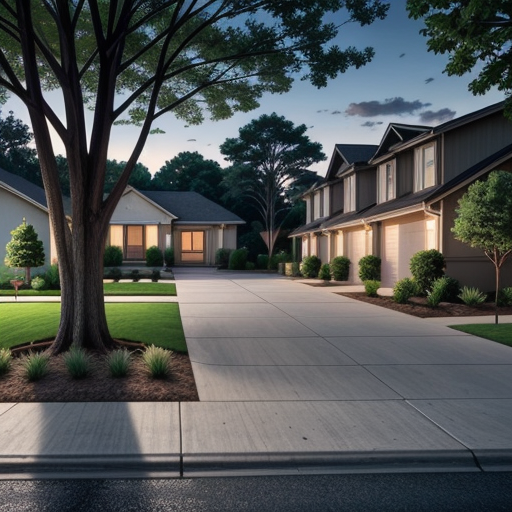
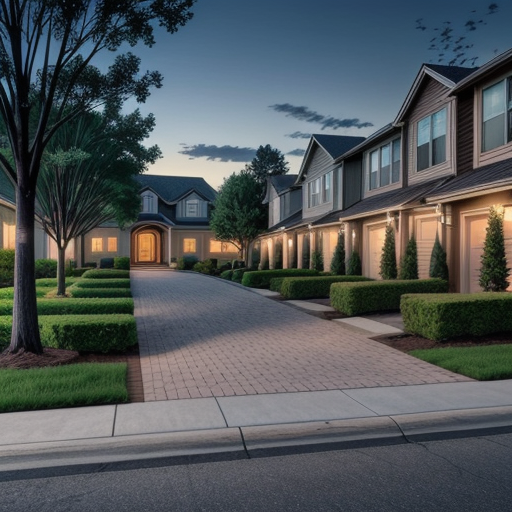
When it comes to real estate, new developments are often seen as a double-edged sword. On one hand, they can breathe new life into neighborhoods and create opportunities for investment. On the other hand, they can lead to changes in property values, sometimes in unpredictable ways. Understanding the impact of new developments on home values is crucial for both potential homebuyers and real estate professionals.
Firstly, new developments often lead to increased demand in a neighborhood. As residential, commercial, or even infrastructural projects materialize, they can enhance the allure of the area. Improved amenities, modern facilities, and enhanced accessibility often result from these developments, making nearby properties more attractive to potential buyers. This increased desirability can drive up home prices in the vicinity, benefiting current homeowners looking to sell.
Conversely, there's a possibility that new developments can lead to a temporary oversupply of housing, especially if multiple projects are completed simultaneously within a concentrated area. An increase in housing supply could lead to a brief stagnation or even a downturn in home prices as the market adjusts to the new inventory. Thus, timing becomes an essential consideration for buyers and sellers when engaging with markets influenced by new developments.
Another significant factor is the nature of the development itself. High-end luxury developments might increase the prestige and draw of a neighborhood, boosting property values for everyone. However, developments that increase density, such as high-rise apartments or commercial spaces, can have mixed impacts depending on community preferences and infrastructure capabilities.
In addition to these market dynamics, the impact of new developments on home values can also be shaped by governmental policy and zoning regulations. Changes in zoning laws can make areas more attractive for future developments, which, in turn, could affect long-term home value trends. Staying informed about local policy changes is vital for real estate agents advising clients about the potential risks and rewards of investing in such areas.
Lastly, it’s important to consider the community response to new developments. If a development is perceived positively, it can enhance social cohesion and community life, adding intangible value to the area and subsequently driving home prices higher. In contrast, developments met with resistance or protest can have a detrimental impact on property values.
Real estate professionals should encourage homebuyers to evaluate both the immediate and future implications of new developments in their desired neighborhoods. A nuanced understanding and a strategic approach to new developments can help leverage emerging opportunities for substantial gains in home value.