Purchasing a fixer-upper can be an enticing prospect for many prospective homeowners. The idea of customizing a house to suit personal tastes and potentially reaping financial benefits can be quite appealing. However, this approach also comes with its set of challenges and risks. As with any major investment decision, it is crucial to weigh the pros and cons thoroughly.
Advantages of Buying a Fixer-Upper
One of the primary benefits of purchasing a fixer-upper is the potential for cost savings. Homes that require significant repairs are generally priced lower than move-in ready properties. This provides an opportunity to buy in desirable neighborhoods that might otherwise be out of financial reach.
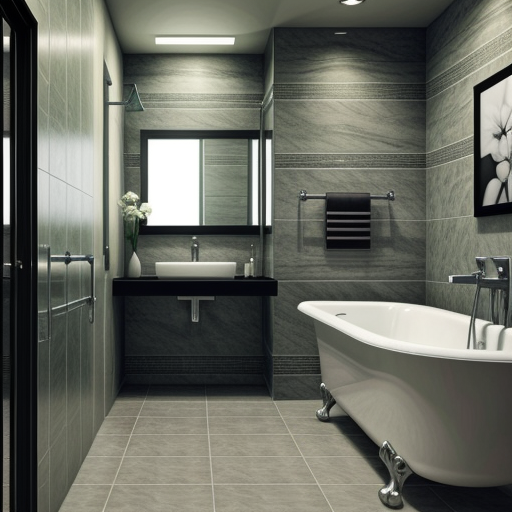
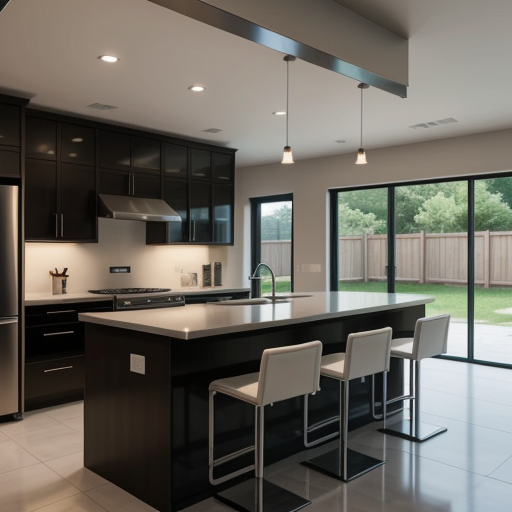
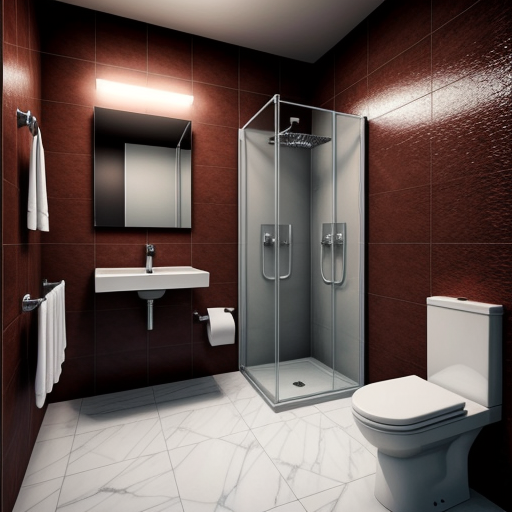
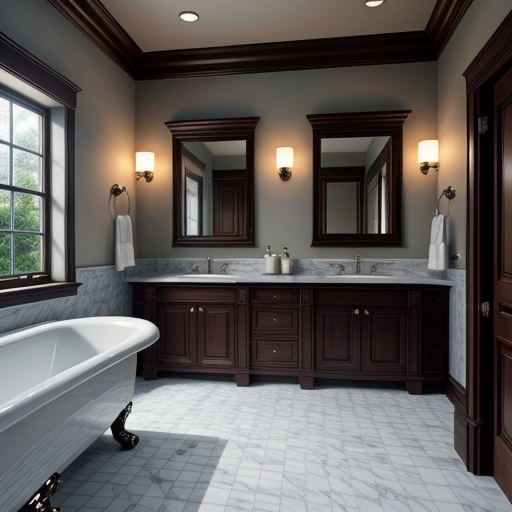
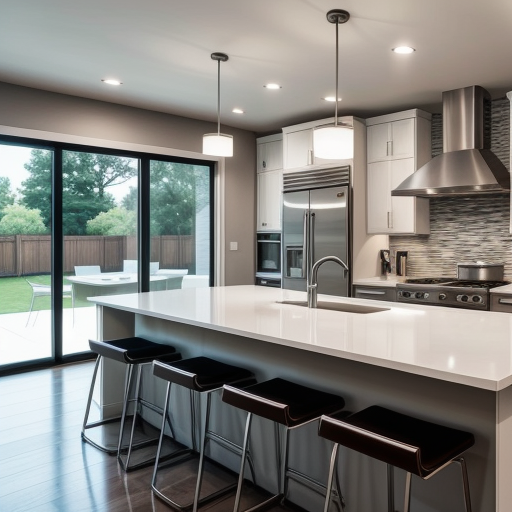
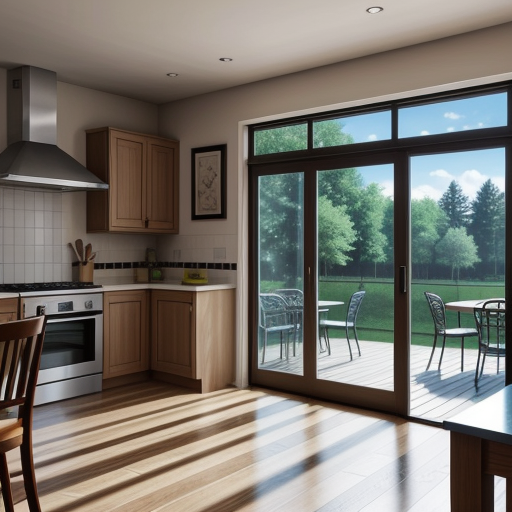
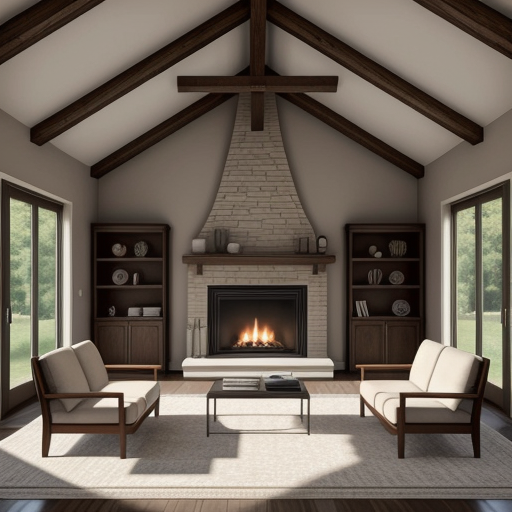
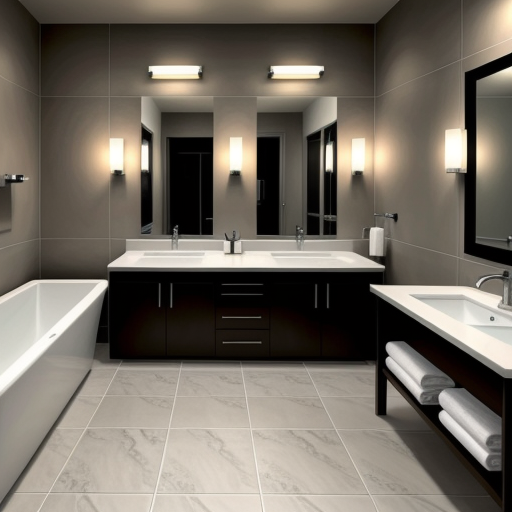
Another advantage is the ability to customize the home to meet your specific needs and design preferences. Renovating a fixer-upper allows you to choose materials, finishes, and layouts that reflect your personal style. This customization can convert an otherwise underwhelming structure into your dream home.
Moreover, the process of renovating a fixer-upper can lead to increased equity in the property. By improving the home’s condition, owners can often increase the property's value significantly, potentially reaping financial rewards in the future.
Disadvantages of Buying a Fixer-Upper
On the flip side, purchasing a fixer-upper is not without its challenges. One of the most significant drawbacks is the time commitment required to complete a renovation. Depending on the extent of the work needed, the project could take months or even years to finish, affecting daily living arrangements and possibly requiring temporary accommodations.
Financial risks also exist, as renovations can often exceed initial budget estimates. Hidden issues such as structural problems or outdated plumbing and electrical systems can lead to unexpected expenses. It is vital for buyers to have a financial cushion and, ideally, some renovation experience or access to trustworthy professional advice.
Additionally, managing renovations can be stressful and demanding. Handling contractors, dealing with unforeseen problems, and ensuring that renovations stay on schedule and within budget can test even the most patient individuals.
Summary
Buying a fixer-upper can be an excellent opportunity for those willing to invest the time, effort, and money required to transform the property. However, buyers should approach this decision with eyes wide open, carefully considering both the potential rewards and the possible drawbacks. By conducting thorough research and seeking professional guidance, those interested in fixer-uppers can make a well-informed decision that aligns with their personal and financial goals.