When purchasing a home, one crucial aspect to consider is its potential resale value. Whether you're a first-time buyer or a seasoned investor, understanding how to evaluate a home's resale value can protect your investment and ensure long-term financial gain. Here are several key factors to consider when assessing a property’s resale value.
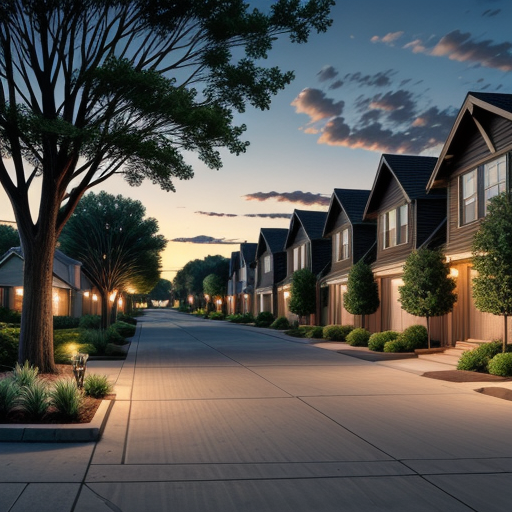
Location, Location, Location The classic real estate mantra underscores the importance of location. Homes situated in desirable neighborhoods tend to appreciate more over time. Look for communities with increasing property values, good schools, ample amenities, and low crime rates. Additionally, proximity to public transportation and business districts can enhance a home’s appeal to future buyers.
Condition of the Home A well-maintained home generally commands a higher resale value. As you evaluate a property, pay attention to its structural integrity, roofing, plumbing, and electrical systems. A home that has been upgraded with modern amenities and energy-efficient features will likely attract more buyers and improve resale potential.
Market Trends Staying informed about local market trends can give you valuable insight into a home's potential resale value. Research recent sales in the area, paying particular attention to comparable homes (also known as 'comps'). Investigate factors such as average days on the market and price fluctuations to determine whether a home is priced competitively.
Future Development Investigating future development plans in the area can also impact resale value. Upcoming parks, schools, shopping centers, or transportation options can enhance the desirability of a neighborhood. Conversely, plans for undesirable projects like industrial sites or highways can negatively affect property values. Always check with your local zoning board or community development office.
Economic Factors The overall economic climate can greatly influence real estate markets. Job growth, interest rates, and the local economy can all affect a home’s resale value. A robust economy typically leads to higher demand for housing, which can drive up prices. Conversely, economic downturns may cause property values to stagnate or decline.
Curb Appeal First impressions matter in real estate. A home’s exterior, landscaping, and overall curb appeal can significantly influence buyer interest. Simple enhancements, such as fresh paint, new siding, or landscaping improvements, can increase perceived value and marketability, making the property more attractive to future buyers.
By considering these factors when evaluating a home's resale value, you can make informed decisions and maximize your long-term investment. Remember that real estate markets are dynamic, so continued research and staying attuned to changes will be key to understanding and optimizing your property’s resale potential.