In today's environmentally-conscious real estate market, energy-efficient home improvements are more than just enhancements—they are valuable investments. As sustainability becomes increasingly prioritized, homeowners and potential buyers alike are recognizing the importance and benefits of homes that incorporate green technologies.
Energy-efficient upgrades might range from simple, cost-effective solutions to comprehensive installations. One of the most common and accessible improvements homeowners consider is upgrading insulation. By enhancing insulation, especially in attics, walls, and floors, homeowners can significantly reduce the loss of heat in the winter and cool air in the summer, optimizing energy use and lowering utility bills.
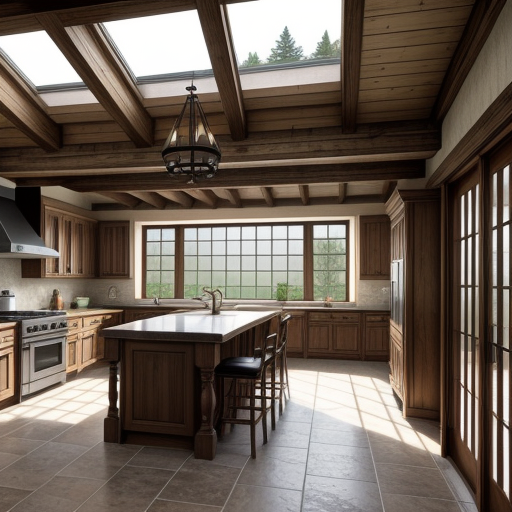
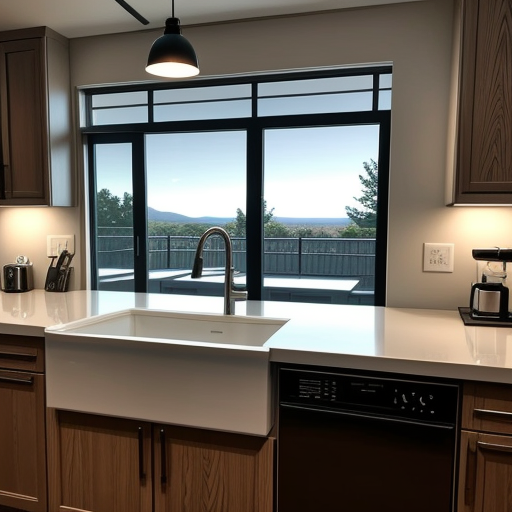
Another impactful change is the installation of energy-efficient windows and doors. Modern windows, often double or triple-glazed, can dramatically reduce heat loss, keep out unwanted heat during summer, and let in natural light—factors that can contribute to the overall comfort and aesthetic appeal of the home.
Solar panels continue to be a compelling energy-efficient upgrade. Not only do they provide an alternative renewable energy source, but they also positively impact the home’s resale value and can often lead to reductions in monthly utility bills. Additionally, many regions offer tax incentives or rebates to homeowners who install solar panels, offering even more financial benefits.
Smart home technology also plays a crucial role in energy conservation. Smart thermostats, for instance, allow homeowners to control heating and cooling more efficiently, often learning daily habits and preferences to optimize energy use without sacrificing comfort.
Incorporating energy-efficient lighting is another straightforward improvement. Switching to LED lighting throughout a home can reduce energy consumption significantly as LEDs use a fraction of the energy of traditional incandescent bulbs and have a much longer lifespan.
Ultimately, investing in energy-efficient home improvements is not just a strategy to align with modern ecological trends, but it is also a sound financial decision that can enhance property values. As energy costs continue to rise and the demand for sustainable, eco-friendly homes increases, incorporating these improvements can make a property more attractive to buyers in an increasingly competitive market.