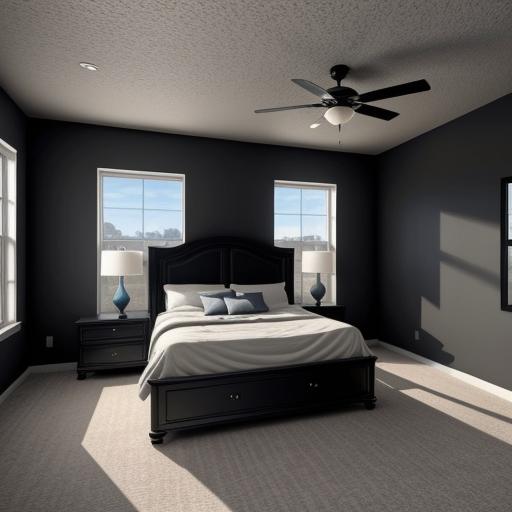
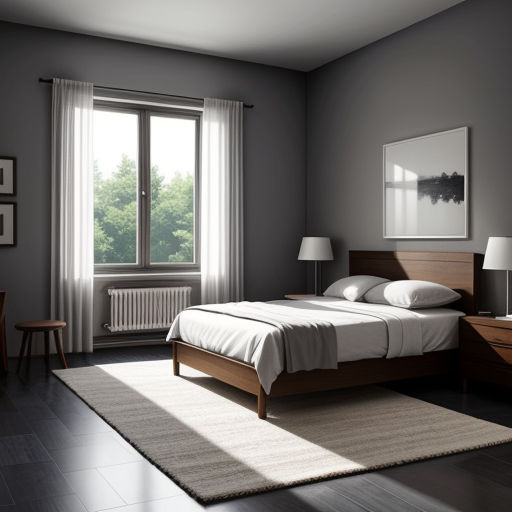
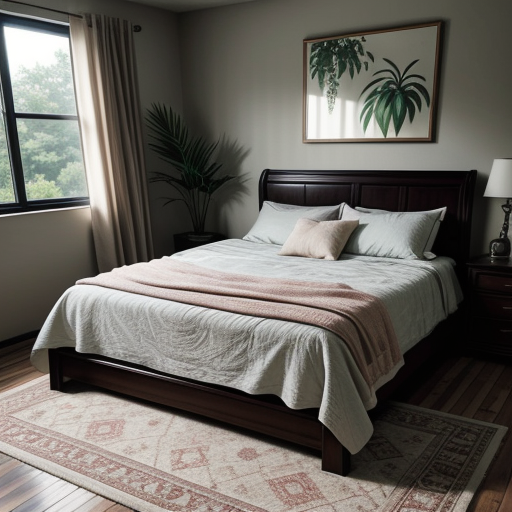
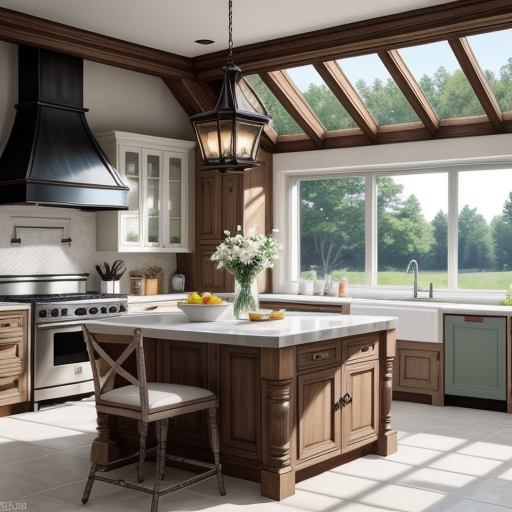
In today's environmentally conscious world, enhancing your home's energy efficiency is not only beneficial for the planet but also for your wallet. By making strategic improvements to your home, you can reduce energy consumption, lower utility bills, and increase your property's value. Here are several effective strategies to increase your home's energy efficiency.
1. Upgrade to Energy-Efficient Appliances One of the most straightforward ways to boost energy efficiency is to replace outdated appliances with ENERGY STAR-rated models. These appliances are designed to use less energy without sacrificing performance. Look for refrigerators, washers, dryers, and dishwashers that meet ENERGY STAR guidelines to help save on your energy bills while also minimizing your carbon footprint.
2. Improve Insulation Proper insulation is critical for maintaining a comfortable temperature in your home and can dramatically decrease the need for heating and cooling. Inspect your attic, walls, and floors to ensure they are adequately insulated. Adding insulation or upgrading to higher-quality materials can make a significant difference in reducing energy loss.
3. Seal Windows and Doors Drafty windows and doors are significant culprits of energy inefficiency. Ensure all windows and doors are properly sealed and weather-stripped to prevent air leaks. Consider installing double-paned windows that provide improved insulation and energy efficiency compared to traditional single-pane windows.
4. Utilize Smart Technology Smart home technology such as programmable thermostats can contribute significantly to energy savings. These devices allow you to set heating and cooling schedules based on your lifestyle, which prevents energy waste when you're not home. Additionally, smart lighting systems can be scheduled or controlled remotely to reduce energy usage.
5. Upgrade Heating and Cooling Systems If your HVAC system is more than ten years old, it may be time for an upgrade. Modern heating and cooling systems are designed to be energy-efficient, using less energy to maintain comfortable temperatures. Regular maintenance, such as changing filters and scheduling routine check-ups, can also help these systems operate more efficiently.
6. Consider Renewable Energy Sources Investing in renewable energy sources, such as solar panels, can significantly reduce your reliance on traditional energy grids. While the initial investment may be substantial, many homeowners find that the long-term savings on energy bills far outweigh the costs. Additionally, many state and federal incentives can help to offset upfront expenses.
7. Optimize Water Usage Energy efficiency is not limited to heating and cooling. Consider installing low-flow fixtures in your bathrooms and kitchens to reduce water usage. Tankless water heaters are another effective option, providing hot water on demand and using less energy compared to traditional water heaters.
By implementing these strategies, homeowners can significantly enhance their home's energy efficiency, leading to a more sustainable lifestyle and increased property value. As an added bonus, improved energy efficiency often results in a more comfortable and serene living environment. Take the time to assess your home’s energy efficiency, make necessary upgrades, and enjoy the long-term benefits.