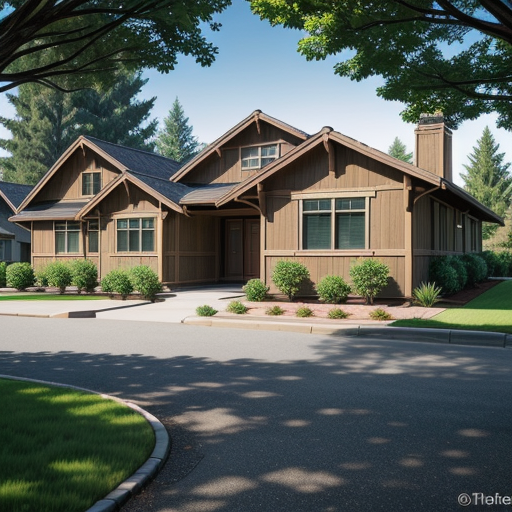
In today's world, enhancing your home's energy efficiency is not just an environmentally conscious decision; it can also lead to significant savings on energy bills. Fortunately, there are various strategies homeowners can implement to improve energy use without compromising comfort. This article will explore some effective ways to increase your home's energy efficiency.
1. Conduct an Energy Audit The first step in boosting energy efficiency is to understand where your home stands. An energy audit, which can be performed by a professional or as a DIY project, evaluates how much energy your home consumes and identifies areas for improvement. This process highlights specific inefficiencies, such as drafty windows or outdated appliances, enabling you to prioritize upgrades effectively.
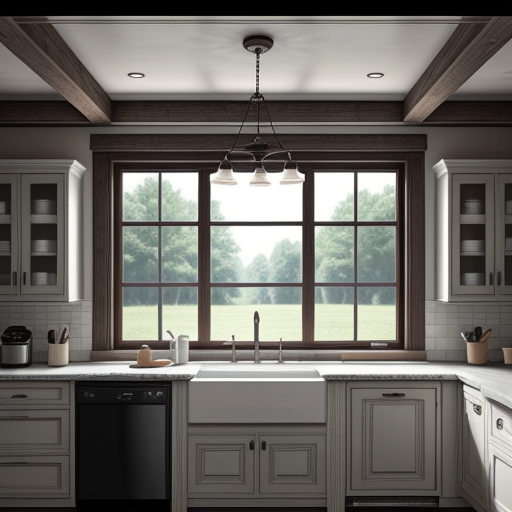
2. Seal Windows and Doors Unsealed windows and doors can lead to substantial energy loss. To tackle this issue, consider weatherstripping or caulking any gaps or cracks that allow air to escape. Adding door sweeps can also prevent drafts. By creating a tighter seal, your home will retain its temperature more effectively, reducing heating and cooling costs.
3. Improve Insulation Insulation plays a crucial role in energy efficiency. Ensure that your home is adequately insulated in the attic, walls, and floors. Upgrading to energy-efficient insulation materials can decrease heating and cooling demands and enhance overall comfort. Don’t forget to inspect areas such as basements and crawlspaces, as they can also be sources of energy loss.
4. Upgrade Heating and Cooling Systems Older heating and cooling systems tend to be less efficient than modern options. Consider replacing your furnace or air conditioning unit with ENERGY STAR-rated models designed for optimal performance and energy conservation. Additionally, regular maintenance of these systems—like changing filters and cleaning ducts—can significantly enhance their efficiency.
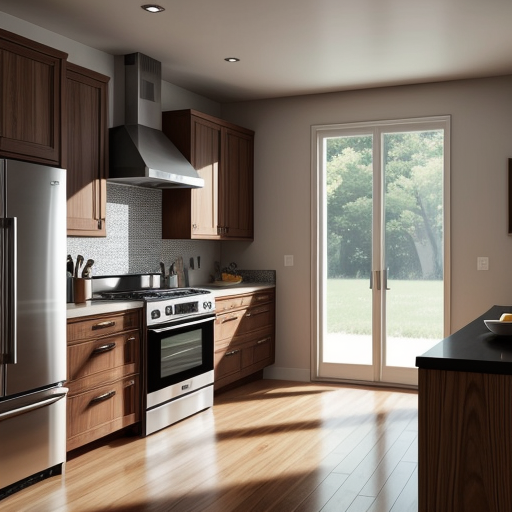
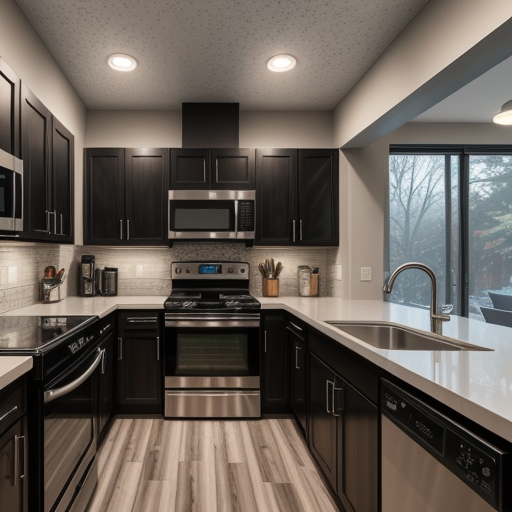
5. Install Energy-Efficient Appliances When it's time to replace appliances, look for ENERGY STAR-certified products. These appliances consume less energy compared to standard models, offering significant savings in the long run. Focus on high-energy-consuming appliances such as refrigerators, washers, and dryers, and evaluate their energy use before purchasing.
6. Utilize Smart Technology Smart home technology not only adds convenience but can also improve energy efficiency. Smart thermostats, for example, learn your schedule and adjust heating and cooling settings automatically, reducing energy use when you are not home. Additionally, smart power strips can prevent energy waste by powering down devices when not in use.
7. Consider Renewable Energy Sources If you're looking for a long-term investment in energy efficiency, consider integrating renewable energy sources such as solar panels. By generating your own energy, you can decrease reliance on traditional power sources and save money on electric bills over time.
Conclusion Increasing your home's energy efficiency is a multifaceted endeavor that not only benefits the environment but also leads to cost savings. By implementing these strategies, you can create a comfortable living space while reducing your carbon footprint. Start with an energy audit to identify your priorities and take steps toward an energy-efficient home today. Every small change counts!