In an era of rising energy costs and growing environmental concerns, improving your home's energy efficiency is not only a practical choice but also a responsible one. The benefits of an energy-efficient home extend beyond reducing your utility bills; they include increased comfort and a smaller carbon footprint. Here are several strategies to make your residence more energy-efficient.
1. Upgrade Your Insulation:
One of the most effective ways to improve energy efficiency is by enhancing your home's insulation. Insulation serves as a barrier against heat loss in winter and heat gain in summer, maintaining a consistent indoor temperature. Consider having a professional evaluate your existing insulation and upgrade to high-performance materials in areas like the attic, walls, and floors.
2. Seal Air Leaks:
Unsealed gaps around doors, windows, and outlets can lead to significant energy wastage. By caulking and weather-stripping these areas, you can prevent drafts and keep conditioned air inside your home, thus reducing the strain on your HVAC system.
3. Install Energy-Efficient Windows:
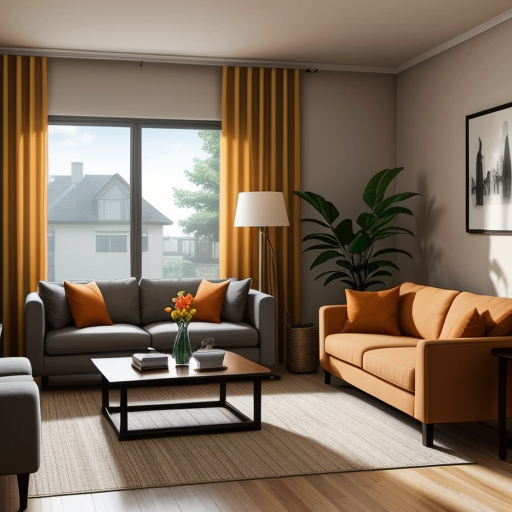
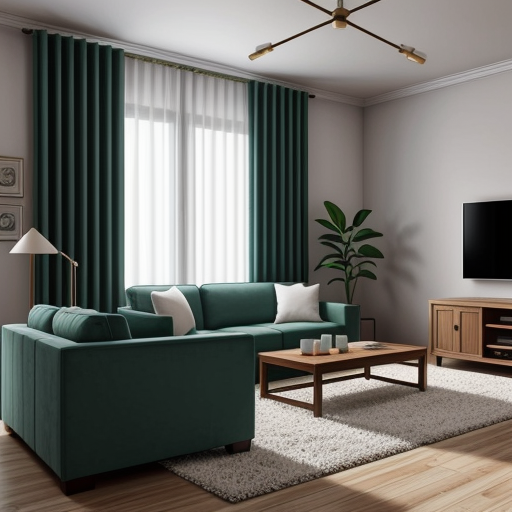
Windows are often a major source of energy loss. Upgrading to energy-efficient windows, such as double or triple-glazed models, can help retain heat during the colder months and reflect heat in the summer. Additionally, applying window films or installing heavy-duty curtains can further improve energy savings.
4. Use Energy-Star Rated Appliances:
Appliances account for a large portion of household energy consumption. Switching to Energy Star-rated appliances can lead to significant savings. These appliances are designed to consume less energy without sacrificing performance, ultimately lowering your utility bills over time.
5. Adjust Your Thermostat:
Investing in a programmable or smart thermostat is an effective way to optimize heating and cooling schedules according to your daily routine. By automatically adjusting the temperature when you are away or asleep, these devices can reduce energy consumption without compromising comfort.
6. Switch to LED Lighting:
Switching to LED lighting is a quick and cost-effective way to enhance energy efficiency. LEDs use up to 75% less energy than incandescent bulbs and last significantly longer, providing both cost savings and environmental benefits.
7. Consider Renewable Energy Sources:
Integrating renewable energy sources, such as solar panels, can dramatically increase your home's energy efficiency. While the initial investment can be substantial, the long-term savings and tax incentives often make it worthwhile.
By implementing these strategies, you can substantially increase your home's energy efficiency. Not only will you enjoy lower utility bills and increased comfort, but you'll also contribute to a more sustainable future. Whether you're planning to sell your home or simply want to make smart improvements, these energy-efficient solutions can make a significant impact.