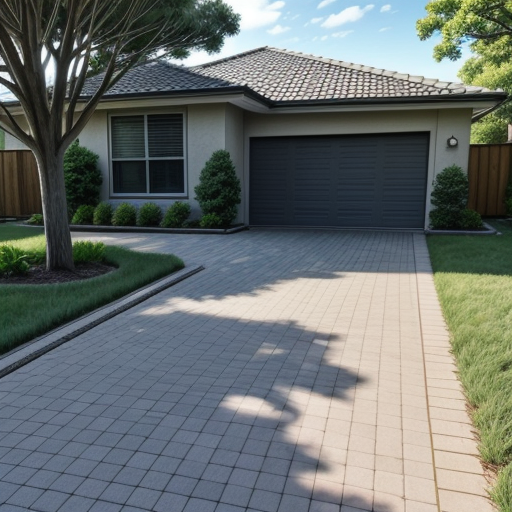
When it comes to safeguarding one of your most significant investments—your home—understanding your insurance needs is paramount. Homeowners insurance provides financial protection in the event of damage to your property, theft of personal items, or liability claims. In this guide, we'll break down the critical components of homeowners insurance, helping you make informed decisions tailored to your unique situation.
Types of Homeowners Insurance Coverage
There are several types of homeowners insurance policies available, each designed to meet different needs. The most common are:
- HO-1 (Basic Form): This policy offers limited coverage for specific perils such as fire, theft, and vandalism.
- HO-2 (Broad Form): Provides broader coverage, including additional perils such as falling objects or frozen pipes.
- HO-3 (Special Form): The most popular option among homeowners, this policy covers all perils unless explicitly excluded.
- HO-4 (Renters Insurance): Specifically designed for renters, it protects personal belongings within a rented space.
- HO-5 (Comprehensive Form): Similar to HO-3 but offers more comprehensive personal property coverage.
- HO-6 (Condo Insurance): Tailored for condominium owners, this policy protects personal property and certain parts of the building.
- HO-7 (Mobile Home Insurance): Designed for mobile and manufactured homes, this offers similar coverage to HO-3.
- HO-8 (Older Home Insurance): Targets homes that may not meet typical insurance criteria due to age.
Assessing Your Coverage Needs
To determine the appropriate level of coverage for your home, consider the following factors:
- Replacement Cost vs. Market Value: Assess whether you want coverage that reflects the current market value or the full replacement cost of rebuilding your home.
- Personal Property: Take inventory of your personal belongings and their estimated value to ensure they're adequately covered.
- Liability Protection: Evaluate your potential liability exposure, especially if you entertain guests or have a home business.
- Additional Living Expenses: Coverage for living expenses incurred if your home is uninhabitable due to damage is essential.
Understanding Exclusions and Limitations
Insurance policies come with various exclusions—events or items that are not covered. It's crucial to read your policy carefully and understand what is excluded. Common exclusions may include natural disasters (like floods or earthquakes) and wear and tear. In some cases, you may need to purchase additional riders or separate policies to cover these risks adequately.
Finding the Right Insurance Provider
Researching different providers and their offerings can help you find the best policy for your needs at a competitive price. Look for customer reviews, claim settlement ratios, and the overall financial strength of the insurance company. Request quotes from multiple insurers to compare coverage options and premiums.
Conclusion
Understanding your home's insurance needs involves evaluating your coverage options, assessing your home’s value, and determining your exposure to risk. By taking the time to thoroughly review and understand your policy, you can rest assured that your home and belongings are protected. Don't hesitate to consult with insurance professionals who can guide you in making the best choices for your situation.