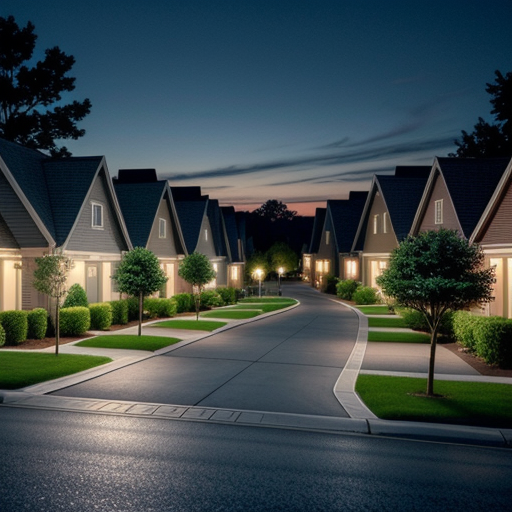
In recent years, the concept of energy-efficient housing has gained considerable traction. Among the leading standards in this domain is the Passive House standard, which promotes sustainable living while ensuring comfort and affordability. This article will delve into what Passive House standards are, their significance, and the benefits they offer to both homeowners and the environment.
What are Passive House Standards?
Passive House, known as Passivhaus in German, is a rigorous standard for energy efficiency in buildings, which reduces the ecological footprint. Established in the early 1990s by Dr. Wolfgang Feist in Germany, Passive House emphasizes a holistic approach to energy efficiency regarding heating and cooling costs, indoor air quality, and overall comfort.
Key Principles of Passive House Design
Understanding the principles behind Passive House design is crucial for anyone considering building or renovating a home. There are five fundamental principles:
- Thermal Insulation: A well-insulated building envelope minimizes heat loss, maintaining comfortable indoor temperatures year-round.
- Airtight Construction: Ensuring minimal air leakage prevents drafts and helps retain energy, leading to lower heating and cooling demands.
- High-Performance Windows: Triple-glazed windows provide superior thermal performance, allowing natural light while limiting heat transfer.
- Ventilation with Heat Recovery: A controlled ventilation system ensures a constant supply of fresh air while recovering heat from outgoing air, enhancing indoor air quality without energy loss.
- Passive Solar Design: The strategic placement of windows and the building’s orientation harness sunlight effectively, reducing energy consumption.
Benefits of Building to Passive House Standards
Choosing to follow Passive House standards can yield a myriad of benefits:
- Energy Efficiency: Homes that meet Passive House standards can reduce energy usage by up to 90% compared to conventional homes.
- Comfort: The careful balance of temperature and humidity creates a consistently comfortable living environment.
- Reduced Carbon Footprint: Diminished energy demand equates to lower carbon emissions, contributing to climate change mitigation.
- Cost Savings: Lower energy bills not only benefit the environment but also enhance financial savings for homeowners.
Conclusion
As awareness of environmental issues continues to rise, the Passive House standard represents a significant stride toward sustainable living. By understanding and implementing these standards, homeowners can enjoy a comfortable, cost-effective, and environmentally-friendly lifestyle. Whether you are planning to build a new home or looking to renovate an existing property, considering Passive House principles can lead to lasting benefits for you and the planet.
For homebuyers, partnering with a knowledgeable real estate agent familiar with Passive House standards can be invaluable. They can assist in identifying properties that meet these rigorous energy efficiency guidelines and ensure a smart investment in a healthier future.