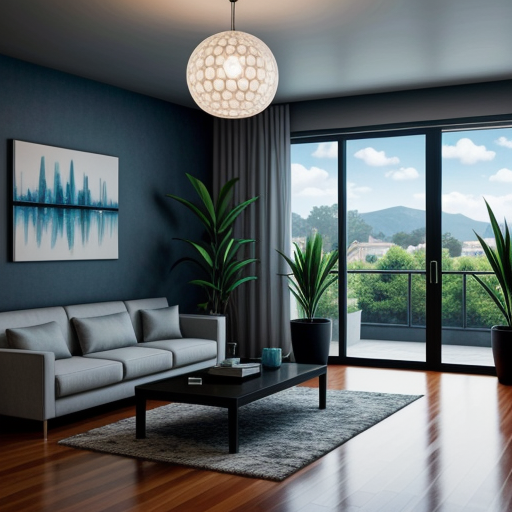
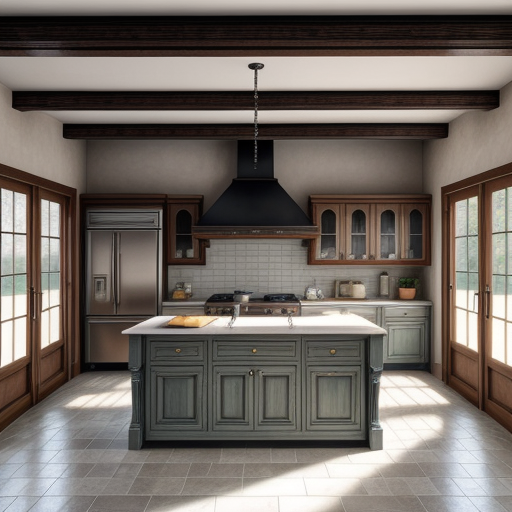
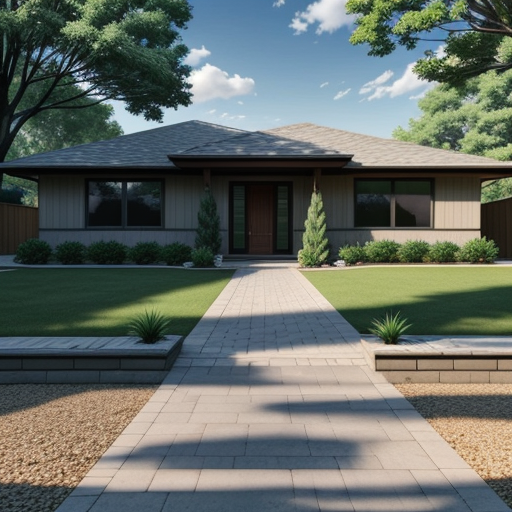
In today's world, increasing your home's energy efficiency is not only beneficial for the environment but also helps in reducing utility bills. As energy costs continue to rise, homeowners are motivated to seek ways to make their homes more efficient. This guide offers practical steps to enhance energy savings while maintaining comfort and value.
-
Upgrade Your Insulation: Proper insulation is crucial in minimizing energy loss. Check key areas like the attic, walls, and floors. Consider investing in high-quality materials such as spray foam or fiberglass, as these can significantly reduce heating and cooling costs.
-
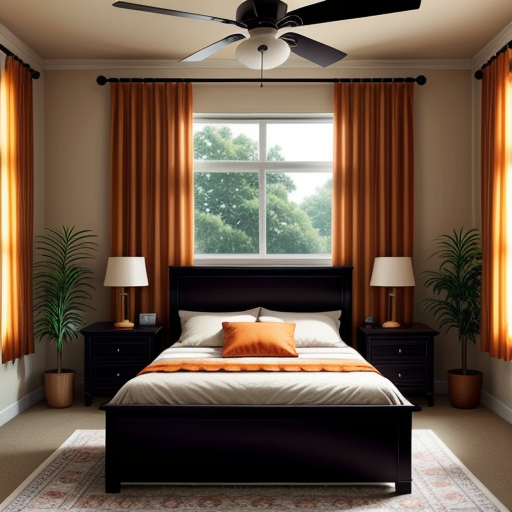
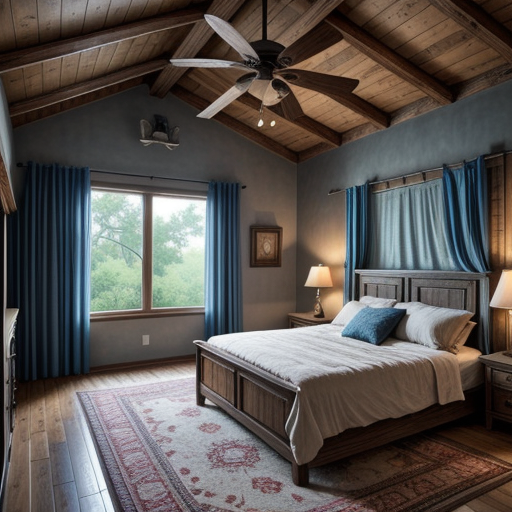
Install Energy-Efficient Windows: Windows are a major source of energy loss in homes. Opt for double-glazed or triple-glazed windows that provide better insulation. Additionally, using thermal curtains can further prevent heat transfer.
-
Seal Air Leaks: Over time, cracks and gaps can develop in your home's structure, allowing unwanted air inflow and outflow. Use weather stripping and caulking to seal leaks around windows, doors, and other openings. This small investment can lead to substantial savings.
-
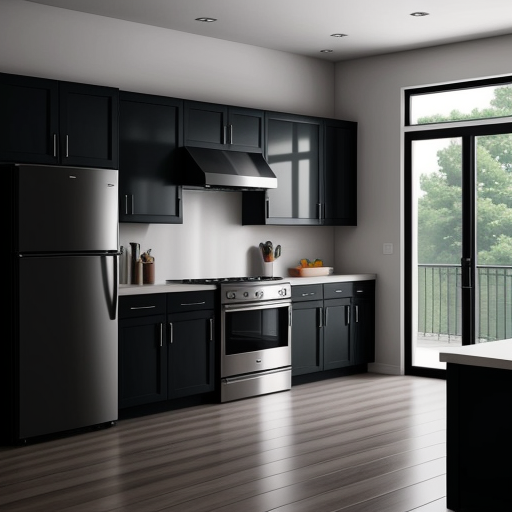
Upgrade to Energy-Efficient Appliances: Modern appliances consume less energy compared to older models. Look for appliances with the Energy Star label, which signifies adherence to strict energy efficiency guidelines.
-
Install a Programmable Thermostat: A smart thermostat can optimize heating and cooling schedules based on your daily routine. This technology helps reduce energy waste by automatically adjusting temperatures during off-peak hours.
-
Adopt LED Lighting: LED bulbs use significantly less energy than incandescent or fluorescent bulbs and have a longer lifespan. Replacing traditional bulbs with LEDs in your home is a cost-effective and easy way to improve energy efficiency.
-
Perform Regular Maintenance: Regularly maintaining heating, ventilation, and air conditioning (HVAC) systems ensures they operate efficiently. Replace filters every few months and schedule professional inspections annually to maximize their efficiency.
By applying these strategies, homeowners can enhance their property's energy profile, leading to cost savings and comfort improvements. Furthermore, an energy-efficient home is an attractive feature in the real estate market, potentially increasing its resale value.