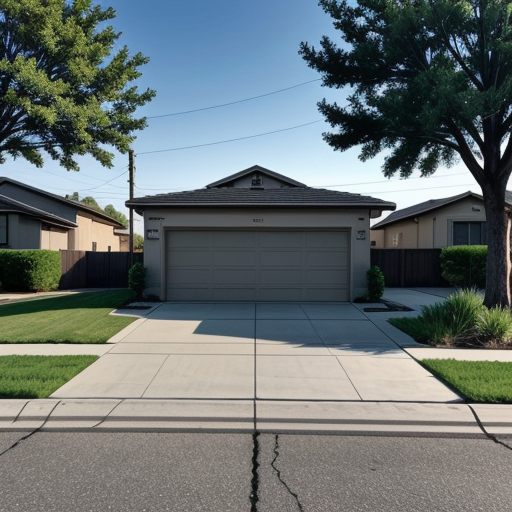
Creating a sustainable property management plan is essential for both property owners and residents. A well-structured plan not only enhances the value of the property but also contributes positively to the environment and community. Here’s how you can develop an effective sustainable property management strategy.
1. Establish Clear Goals and Objectives
The first step in crafting a sustainable property management plan is to identify your goals. Consider aspects such as reducing energy consumption, improving residents' quality of life, and increasing property value. Establish measurable objectives to track your progress, such as achieving a specific percentage reduction in energy use within a set timeframe.
2. Conduct a Property Assessment
A comprehensive property assessment allows you to understand the current state of your property. Evaluate the strength of your existing systems, such as plumbing, electrical, and HVAC. Identify areas that require upgrades or modifications to optimize sustainability. Assessing your landscape can also reveal opportunities for eco-friendly practices, such as xeriscaping or using native plants to reduce water usage.
3. Implement Energy-Efficient Practices
Energy efficiency is a cornerstone of sustainable property management. Invest in energy-efficient appliances, LED lighting, and smart home technologies. Consider installing solar panels to decrease reliance on non-renewable energy sources. It’s also wise to regularly maintain HVAC systems to ensure they operate efficiently, thus conserving energy and lowering utility bills.
4. Foster Community Engagement
A sustainable property thrives on resident involvement. Encourage tenants to participate in sustainability initiatives by hosting workshops, offering incentives for eco-friendly living, and creating community gardens. Engaging residents fosters a sense of pride and responsibility toward maintaining the property, leading to long-term benefits.
5. Recycling and Waste Management
Proper waste management is critical in any sustainable property management plan. Implement recycling programs and encourage tenants to reduce waste consumption through education and available resources. Providing designated recycling bins and composting options can significantly reduce landfill contributions and promote responsible waste practices.
6. Monitor and Evaluate Performance
To ensure the sustainability plan is effective, regularly monitor and evaluate the property’s performance. Use metrics such as energy consumption, water usage, and tenant satisfaction to assess the impact of your initiatives. Continually refine the management plan based on feedback and performance data to improve sustainability efforts and adapt to new best practices.
7. Stay Informed and Compliant
Lastly, remain updated with local and national regulations regarding sustainability. Building codes and environmental laws are continually evolving, and staying compliant is pivotal to not only maintain your property’s operational effectiveness but also to avoid potential legal issues.
In conclusion, a sustainable property management plan requires foresight, commitment, and collaboration. By following these steps, property owners can create environments that benefit tenants and the broader community while simultaneously increasing property value and ensuring long-term sustainability. Start today to position your property for a better tomorrow.