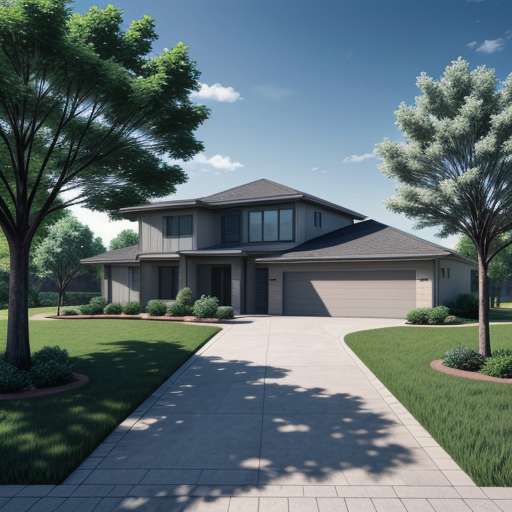
In recent years, sustainable landscaping has become a popular approach for homeowners looking to enhance their property's curb appeal while minimizing their environmental impact. Not only does sustainable landscaping improve the aesthetics of your home, but it also supports biodiversity, reduces water usage, and can even lower maintenance costs. Here are some eco-friendly landscaping strategies that can make a significant difference.
First, consider opting for native plants. Native species are adapted to the local climate and soil conditions, which means they generally require less water and maintenance. They also provide essential habitats for local wildlife, including birds and pollinators like bees and butterflies.
Another effective strategy is to implement rainwater harvesting systems. By collecting and reusing rainwater, homeowners can significantly reduce their dependency on municipal water supplies for irrigation. Rain barrels are an economical and easy-to-install option that can efficiently capture rainfall.
Reducing lawn size is another impactful change. Traditional lawns consume a significant amount of water and often require chemical fertilizers and pesticides. By replacing a portion of your lawn with drought-tolerant grasses or ground covers, you can create a more sustainable and diverse landscape.
Moreover, consider xeriscaping, which involves designing landscapes to reduce or eliminate the need for irrigation altogether. This can be achieved by selecting drought-tolerant plants and utilizing mulch to retain soil moisture, thus creating a vibrant landscape that conserves water.
Composting is another sustainable practice that benefits the landscape. By recycling organic waste from your kitchen and garden, you can produce nutrient-rich compost to enhance soil fertility and improve plant health without relying on chemical fertilizers.
Finally, remember to incorporate energy-efficient outdoor lighting. Solar-powered lights or LED fixtures not only use less energy than traditional bulbs but also have a longer lifespan, further reducing your carbon footprint.
By embracing these sustainable landscaping strategies, homeowners can create beautiful outdoor spaces that are environmentally friendly and cost-effective. These small steps not only contribute to a healthier planet but also boost property values and enhance the overall enjoyment of your home.